
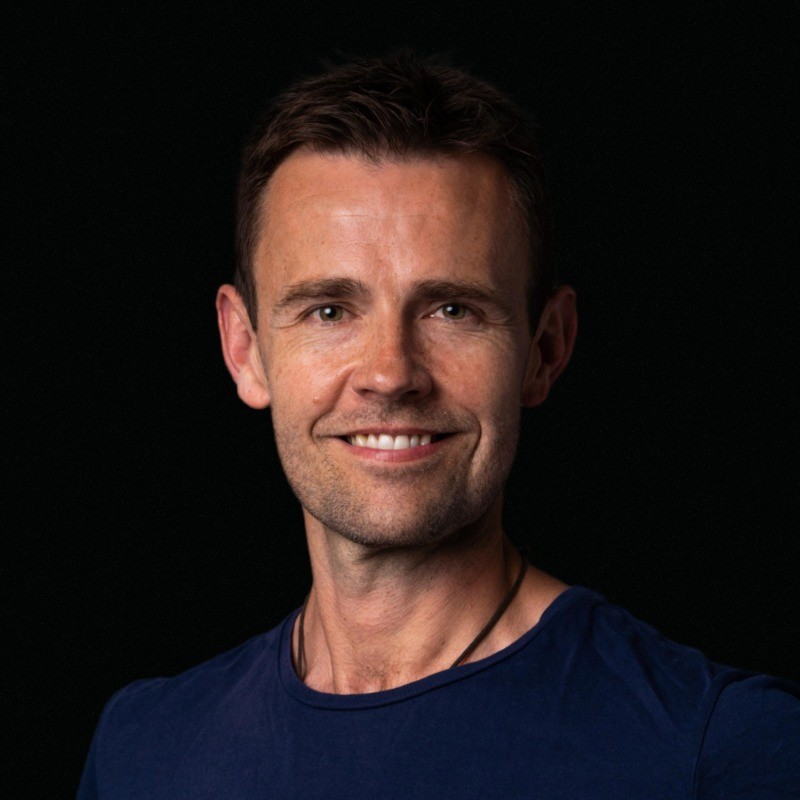
In a recent LinkedIn post, Nick Bradley challenges a common assumption among founders: that business growth solely equates to hiring more people. Instead, Bradley advocates for a more nuanced approach, urging leaders to identify which specific roles truly enhance the business’s value, rather than simply increasing headcount.
Bradley begins by posing a critical question that often gets overlooked in rapid growth phases: “which people actually make the business worth more?” He points out that this crucial distinction is frequently misunderstood, leading to an overemphasis on quantity over quality in hiring and organizational structure.
The Pitfalls of Unchecked Expansion
The post details a common trajectory for fast-growing businesses where expansion leads to an increase in meetings, management layers, reporting lines, and support staff. While these additions might seem necessary for scale, Bradley argues that they often don’t directly contribute to increasing the business’s intrinsic worth. He highlights the lack of focus on a more commercial perspective:
“Which roles genuinely protect revenue? Which roles improve customer retention? Which roles strengthen delivery? Which roles reduce founder dependency? Which roles actually make the business more transferable?”
According to Bradley, this oversight means founders often manage their businesses as if every role carries equal weight, a practice that has significant downstream effects. He explains that this misdiagnosis influences hiring strategies, incentive structures, and the protection of key personnel.
Differentiating Value Creation from Operational Support
Bradley emphasizes that the true value of a business, especially from a buyer’s perspective, is not tied to its number of employees. Instead, buyers are interested in the capabilities, resilience, and reduced founder dependency that specific roles and leadership depth provide. He illustrates this point with his observation:
“I have seen plenty of founder-led businesses that looked well-staffed on paper, but underneath it they were still too dependent on a small number of people who actually carried the commercial weight. Everyone else was helping the machine run. Very few were increasing what the machine was worth.”
This distinction, Bradley argues, leads to businesses becoming “over-managed and under-built.” He suggests that a critical re-evaluation of organizational structure is necessary, moving beyond the simple metric of headcount.
The Core Question for Founders
Bradley concludes by reframing the common founder statement, “We need more people.” He proposes that the more pertinent question is whether a business truly needs more individuals, or if it requires greater clarity on which existing or potential roles are the primary value creators. As he puts it:
“Do you need more people — or do you need much more clarity on which roles actually create value? Because those are not the same thing.”
He advises that without a proper mapping of talent to value, businesses risk investing too heavily in structure at the expense of activities that genuinely increase their worth. This strategic clarity, according to Bradley, is essential for sustainable growth and maximizing business valuation.
📝 About This Content
This article is based on insights shared by Nick Bradley on LinkedIn.
📅 Originally posted on May 4, 2026 | View original post on LinkedIn →