
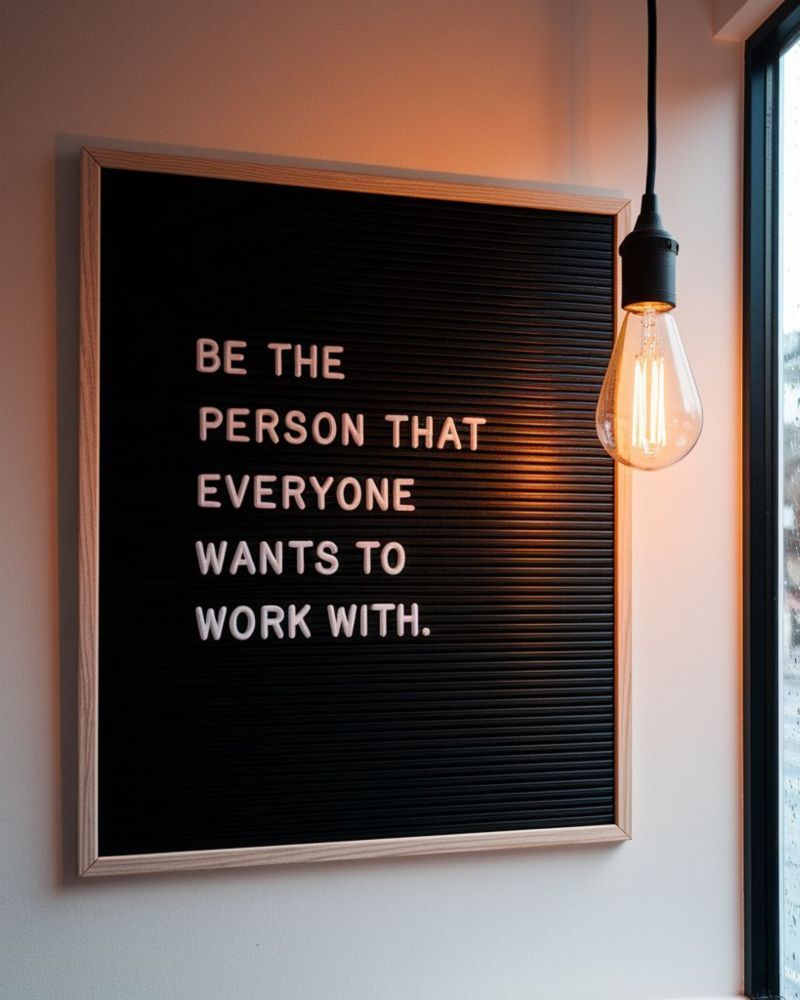
In a recent LinkedIn post, Dror Allouche explores the critical distinction between being a high performer and being someone who is promoted, arguing that strong relationships are the often-overlooked key to career advancement.
Dror Allouche contends that an overemphasis on individual performance can inadvertently hinder long-term career growth. The post highlights a common pitfall: focusing so intently on results that one neglects the interpersonal skills essential for collaborative success and upward mobility.
The Dual Power of Performance and People Skills
According to Dror Allouche, true career acceleration comes not just from achieving excellence, but from cultivating the ability to work effectively with others. The post outlines several key strategies employed by those who successfully combine high performance with strong relationship-building.
“Your results get you noticed. Your relationships get you promoted.”
Dror Allouche emphasizes that while results capture attention, it is the quality of one’s professional relationships that ultimately paves the way for promotions. This suggests a strategic approach to career development that balances task-oriented achievements with people-centric engagement.
Strategies for Cultivating Influence and Trust
The article details specific behaviors that differentiate individuals who are both high-performing and promotion-worthy. These individuals, as outlined by Dror Allouche, approach their work and interactions with a distinct set of principles.
Focusing on Essentials and Understanding Stakeholders
One of the core tenets shared by Dror Allouche is the importance of starting with the end in mind. This involves identifying the essential elements of a task or project and understanding the perspectives of all involved parties. As Dror Allouche notes:
“They listen to understand, not to respond. It’s not who’s right. It’s who’s got the best solution.
They bring out the best options from stakeholders.”
This approach, according to Dror Allouche, shifts the focus from individual assertion to collaborative problem-solving, ensuring that the most effective solutions emerge from collective input.
Building Deep Relationships and Owning Mistakes
Dror Allouche also highlights the power of fostering deep professional relationships, characterized by freely shared knowledge and the genuine celebration of colleagues’ successes. The post states:
“They succeed by helping others succeed.”
Furthermore, Dror Allouche points to the significance of accountability. Individuals who own their mistakes without excuses, focusing instead on solutions and taking charge, build crucial trust. This contrasts with a tendency to assign blame, which can erode professional standing.
Navigating Crises and Maintaining Reliability
The insights from Dror Allouche extend to how individuals handle challenging situations. The post suggests that during crises, the most effective individuals lower their voices, focus on solutions rather than blame, and act as a stabilizing force. As Dror Allouche puts it:
“They’re the calm in the storm.”
Reliability is another critical factor. Dror Allouche advises caution when committing but stresses the importance of overdelivering when a commitment is made. This is encapsulated by the principle: “If they said they’ll do it, it’s done.” Following through on tasks until they are fully resolved, rather than merely identifying problems, is presented as a hallmark of career-building individuals.
The Synthesis of Performance and Interpersonal Skill
In essence, Dror Allouche’s post serves as a guide for professionals seeking not just to perform well, but to strategically position themselves for leadership roles. The argument is clear: while high performance is necessary to get noticed, it is the cultivation of strong, trust-based relationships and effective collaboration that truly drives career advancement.
📝 About This Content
This article is based on insights shared by Dror Allouche on LinkedIn.
📅 Originally posted on September 13, 2026 | View original post on LinkedIn →