
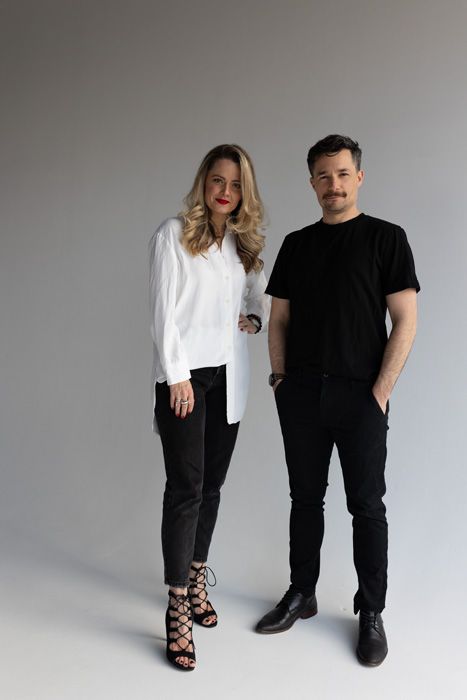
In a recent LinkedIn post, Dan Sherrard-Smith challenges the conventional wisdom surrounding entrepreneurial struggles, arguing that many founders grapple with a fundamental ‘design problem’ rather than a lack of discipline. He contends that the pervasive ‘hustle culture’ encourages founders to work harder within flawed systems, rather than stepping back to redesign them.
Sherrard-Smith highlights a common paradox where founders, despite working long hours and caring deeply about their ventures, often feel perpetually behind. This leads to an assumption that more effort is the solution, a notion he refutes.
“Hustle culture trains us to push harder inside broken systems. It never teaches you us to step back and redesign them.”
The Pitfalls of a Dependency Business Model
The post identifies several common symptoms that indicate a business design issue, framing them not as personal failings but as systemic indicators. Sherrard-Smith poses a series of questions to his audience, prompting reflection on their own operational realities.
He points out that when a business falters significantly with even a slight reduction in the founder’s involvement, it may not be a sustainable enterprise. As Dan Sherrard-Smith puts it:
“If your business collapses when you slow down, it’s not a business. It’s a dependency.”
This dependency, he argues, often manifests in several ways:
- An inbox that dictates the day’s priorities.
- Revenue streams heavily reliant on the founder’s constant presence.
- Family time treated as a rare reward rather than a fundamental right, often compromised by exhaustion.
- Anxiety surrounding time off, replacing the expected relief with stress.
- Growth perceived as an increase in pressure, not an enhancement of operational ease.
Redesigning for Scalability and Ease
Sherrard-Smith advocates for a shift in focus from sheer effort to strategic redesign. He emphasizes the need to build systems that can scale independently of the founder’s direct, constant input. According to Dan Sherrard-Smith, the key lies in creating:
- Systems that scale without demanding more of your time.
- Automations that can operate effectively without constant founder oversight.
- Lead generation processes that function reliably, akin to a ‘conveyor belt’.
This approach, he suggests, moves businesses away from a model of founder dependency towards sustainable, scalable operations. By addressing the underlying design flaws, founders can transition from a potentially exhausting ‘race to see who expires first’ to a more balanced and effective business model.
Dan Sherrard-Smith concludes by encouraging founders to identify their biggest operational challenges and consider implementing these systemic solutions to foster business growth that is congruent with personal well-being.
📝 About This Content
This article is based on insights shared by Dan Sherrard-Smith on LinkedIn.
📅 Originally posted on January 3, 2026 | View original post on LinkedIn →