
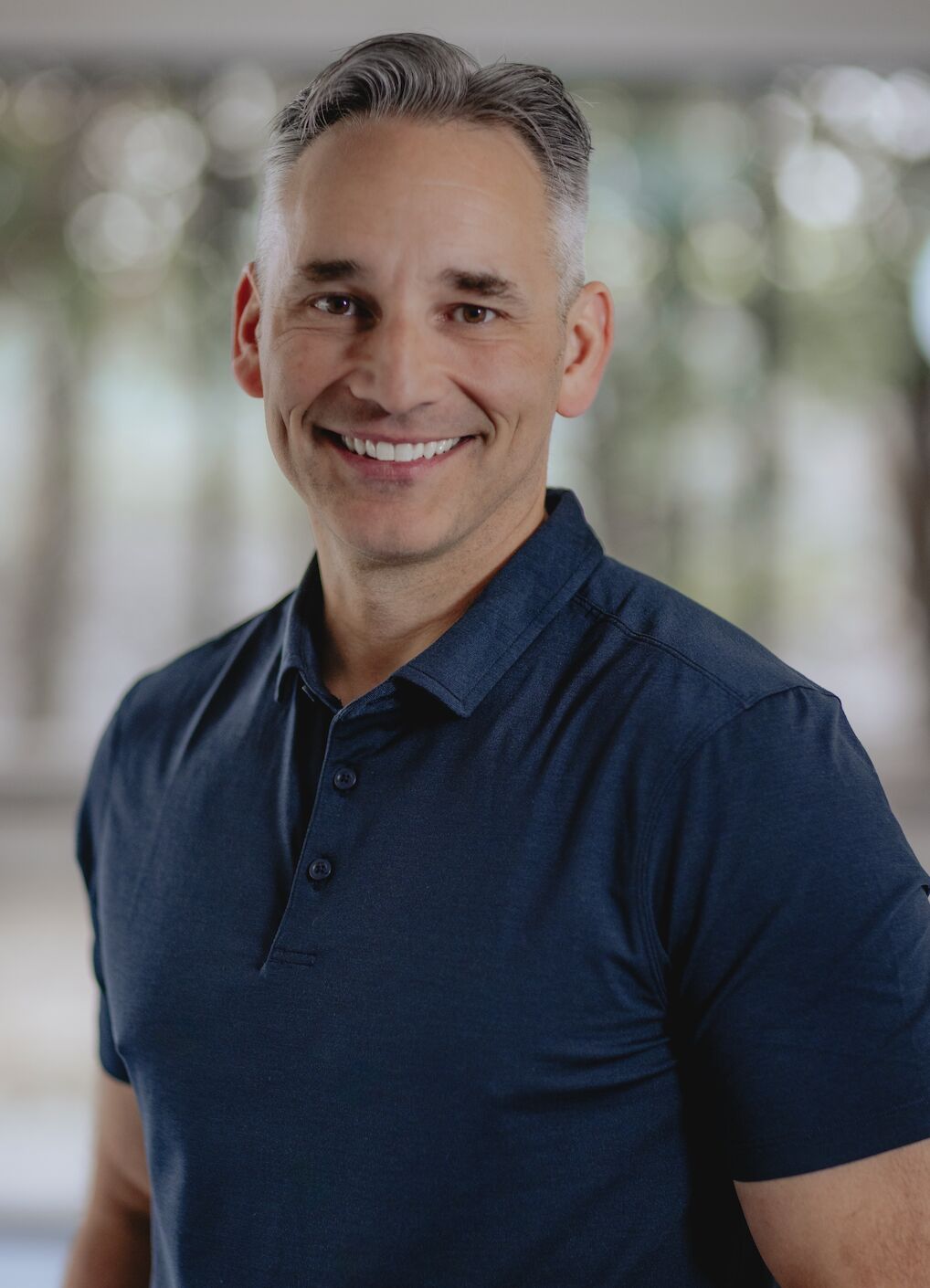
In a recent LinkedIn post, Mark O’Donnell challenges the conventional wisdom surrounding burnout, arguing that the common advice to simply ‘rest’ is insufficient when the underlying organizational systems are the root cause of the problem. O’Donnell, a leadership coach, suggests that burnout often stems from a fundamental mismatch between an individual’s capacity and the demands placed upon them by their work environment.
O’Donnell begins by outlining the typical narrative of burnout: overwork, excessive effort, and deep emotional investment leading to exhaustion. The prescribed solution, he notes, is usually to slow down, take breaks, and establish boundaries. While acknowledging the validity of these individual-focused strategies, O’Donnell posits that they are incomplete. He asserts that the core issue frequently lies in systemic factors that equip or structure individuals inadequately for the sustained performance required.
“People usually burn out because they’re asked to perform at a level they’re not equipped or structured to sustain.”
The Systemic Mismatch Behind Burnout
According to Mark O’Donnell, the problem is rarely a lack of willpower or personal resilience. Instead, he identifies several key systemic indicators that contribute to burnout:
- The challenge outpaces the skill set: When the demands of a task exceed an individual’s current abilities without adequate support or training, it leads to strain.
- Responsibility exceeds clarity: Ambiguous roles and unclear expectations force individuals to guess or overextend themselves to fill perceived gaps, often taking on burdens that are not theirs.
- Expectations grow faster than support: As responsibilities increase, the necessary resources, guidance, or autonomy do not keep pace, creating an unsustainable workload.
O’Donnell elaborates on how these systemic issues manifest in daily work. When roles lack definition, individuals often compensate by expending excessive effort. Fuzzy accountability can lead to employees carrying the weight of others’ responsibilities simply because someone must. Furthermore, a lack of clear priorities can make everything seem urgent, leading to constant, exhausting pressure.
“When roles are unclear, people overcompensate with effort. They fill gaps that aren’t theirs to fill.”
Differentiating Healthy Stretch from Chronic Strain
Mark O’Donnell draws a crucial distinction between healthy professional growth and detrimental chronic strain. Healthy stretch, he explains, is characterized by challenging yet energizing work that fosters development and skill enhancement. It is a state where individuals feel themselves improving and growing.
In contrast, chronic strain, particularly when devoid of clarity and support, is inherently draining and demotivating. O’Donnell writes:
“But chronic strain without clarity just breaks people down. It feels confusing, heavy, and endless.”
This distinction is vital, O’Donnell argues, for accurately diagnosing the cause of an individual’s distress. Misattributing burnout to personal failings rather than systemic issues prevents effective solutions.
Shifting the Focus to Systemic Solutions
When addressing burnout, O’Donnell urges leaders and coaches to shift their focus from individual coping mechanisms to an examination of the organizational system. He poses critical questions that leaders should ask:
- Is the role clear and well-defined?
- Are expectations realistic and achievable within the given resources?
- Does the challenge presented align with the individual’s skill set and capacity?
- Is the decision-making load sustainable?
By interrogating these systemic elements, O’Donnell believes it becomes possible to determine whether an individual is genuinely overwhelmed due to their circumstances or simply misaligned within the structure. He concludes by reminding leaders to also assess their own organizational structures, offering a quiz for further self-reflection.
As Mark O’Donnell suggests, addressing burnout effectively requires looking beyond individual resilience and examining the fundamental design of the work system itself.
📝 About This Content
This article is based on insights shared by Mark O'Donnell on LinkedIn.
📅 Originally posted on January 12, 2026 | View original post on LinkedIn →