
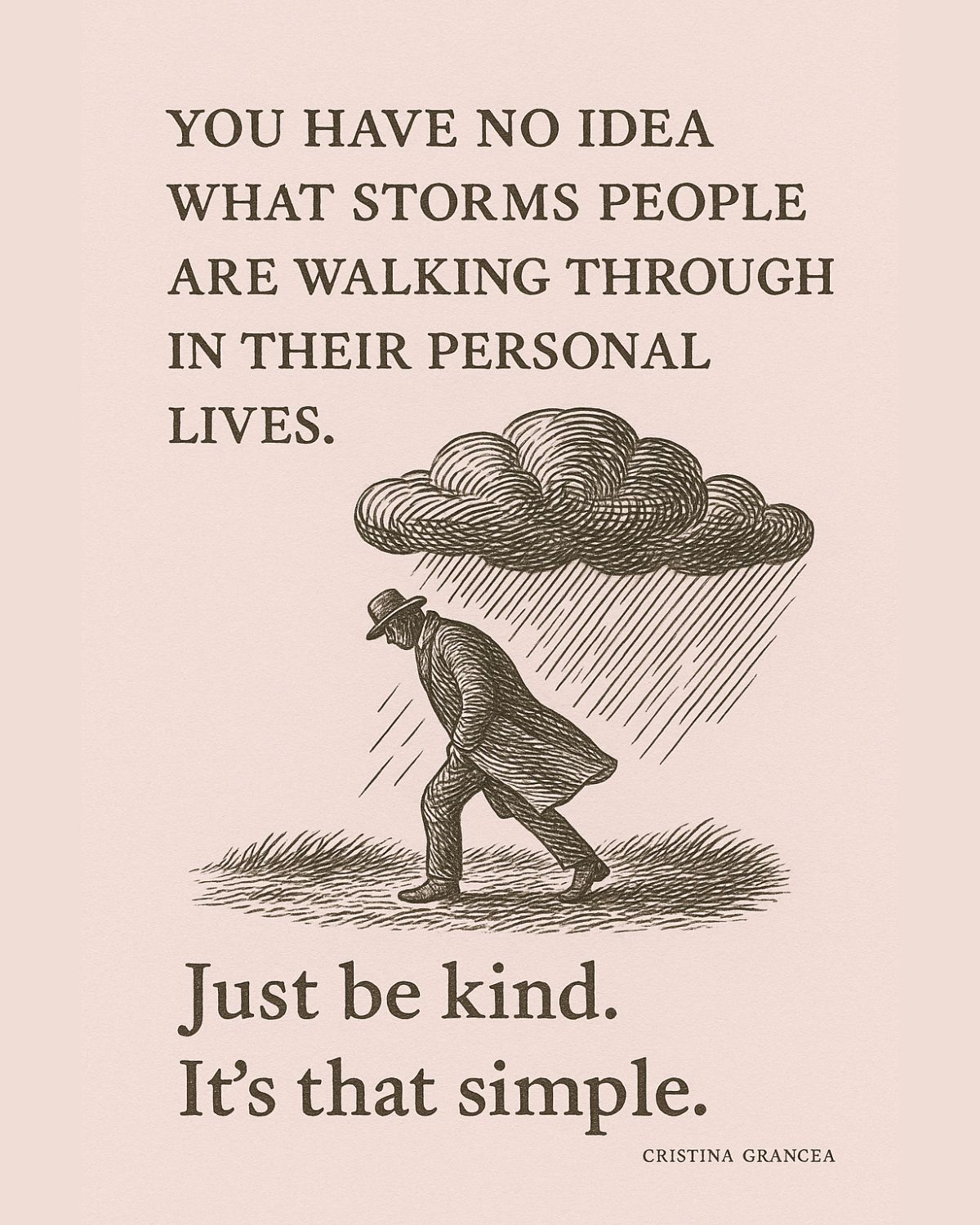
In a recent LinkedIn post, Cristina Grancea explores the fundamental elements of effective leadership, particularly during periods of economic uncertainty and organizational change. Grancea emphasizes that while superficial perks may seem attractive, they do not foster resilience or loyalty when employees are facing significant struggles. The core message revolves around the essential human needs for security, recognition, and genuine support in the workplace.
Grancea begins by acknowledging the widespread challenges many individuals and businesses are currently navigating. She writes:
“Everyone is facing struggles. And deep down, we all just want to be okay. The truth is, many are still walking through storms: Businesses still recovering from the recession, Teams stretched thin after difficult cuts, More jobs quietly being replaced by automation”
The post contrasts these realities with common workplace offerings, suggesting they fall short of what truly matters. Grancea questions the impact of superficial incentives:
“Catchy mission and vision statements? Nice to have – but they’re not what people need right now. Free snacks, funky offices, and ping pong tables? Fun – but they don’t keep people going when times get hard.”
The True Pillars of Employee Support
Grancea then pivots to outline the critical leadership qualities and actions that genuinely support employees through difficult periods. According to Grancea, these are the factors that build lasting trust and a positive work environment, rather than temporary distractions.
Essential Leadership Qualities
The post lists a comprehensive set of attributes and behaviors that Grancea deems essential. These include:
- Leaders who truly listen
- Recognition that feels genuine
- Clarity during messy transitions
- Fair treatment across the board
- Respect for work-life boundaries
- A culture of belonging and trust
- Open and honest communication
- Constructive, respectful feedback
- Leadership rooted in empathy, not ego
- Managers who advocate for their teams
- Support for wellbeing not just performance
- A space where people feel safe speaking up
- Meaningful work that makes people feel proud
As Grancea argues, these elements form the bedrock of a supportive workplace. She elaborates on the impact of such leadership:
“This is the kind of leadership that makes a real difference. The kind that focuses on what truly matters. That builds workplaces where trust is the norm. Where people feel seen, heard, and valued.”
Fostering Trust and Value
Grancea’s insights underscore a shift from transactional management to a more human-centric approach. In Grancea’s view, focusing on empathy, genuine communication, and employee wellbeing is not just a ‘nice-to-have’ but a strategic imperative for organizational resilience. By prioritizing these aspects, leaders can cultivate environments where employees feel secure, respected, and motivated, even amidst adversity. The call to action at the end of the post encourages further dialogue, inviting readers to share their own perspectives on what constitutes effective leadership in challenging times.
📝 About This Content
This article is based on insights shared by Cristina Grancea on LinkedIn.
📅 Originally posted on January 23, 2026 | View original post on LinkedIn →