
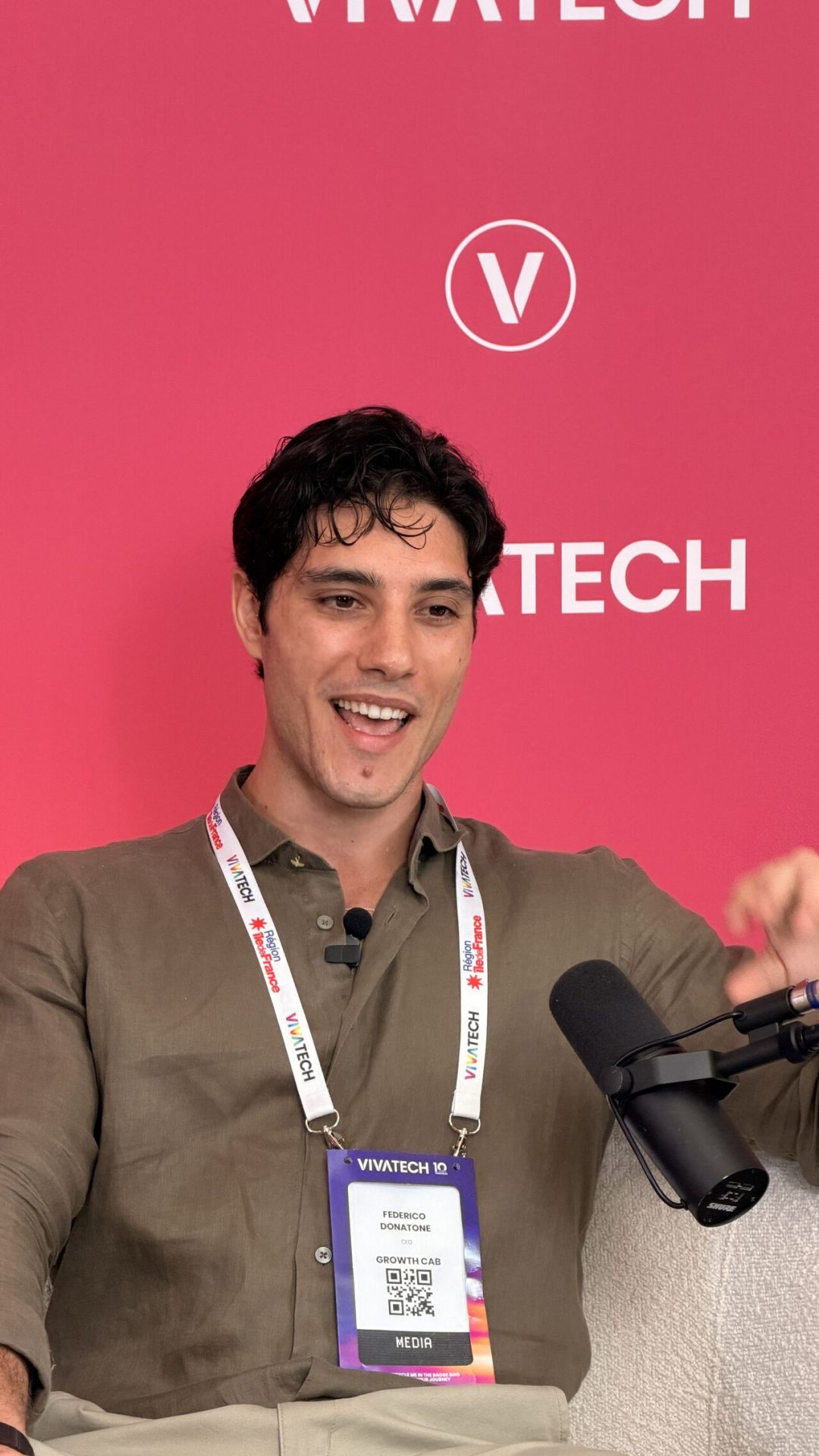
In a recent LinkedIn post, Federico Donatone explores a more advanced approach to interacting with artificial intelligence, suggesting that the top 1% of users are moving beyond simple prompting to designing “loops” for AI execution. Donatone frames this evolution as a critical shift for those seeking to maximize AI capabilities.
The Evolution from Prompting to Loop Design
Donatone highlights a significant distinction between how most users interact with AI and how top performers do. While the majority are still focused on crafting individual prompts, a select group is building automated, iterative processes. He quotes Boris Cherny, creator of Claude Code, to underscore this point:
“I don’t prompt Claude anymore. My job is to write loops.”
This statement, as presented by Donatone, suggests a paradigm shift where the skill lies not just in asking the AI to perform a task, but in structuring the AI’s work into a repeatable and efficient system. Donatone explains that a prompt is essentially a one-time instruction, whereas a loop is a more sophisticated construct designed for ongoing operation and learning.
Deconstructing the AI Loop
According to Federico Donatone, an AI loop is composed of four fundamental elements:
- Trigger: This is the event or condition that initiates the loop’s process.
- Execution: This refers to the actual work or task the AI performs within the loop.
- Verification: This component ensures that the AI’s execution meets the desired success criteria or objectives.
- Memory: This element allows the AI to retain information from previous iterations, enabling learning and adaptation over time.
Donatone argues that understanding and implementing these four components is key to transitioning from being a basic AI prompter to a skilled “loop designer.” This advanced methodology allows for more complex problem-solving and automation, leveraging AI’s potential for continuous improvement and sustained output.
The Path to Becoming a Loop Designer
Federico Donatone positions this shift towards loop design as a differentiator for professionals aiming for peak AI utilization. He implies that by mastering the creation of these automated sequences, users can unlock greater efficiency and effectiveness from AI tools. To illustrate the practical application of this concept, Donatone offers a resource:
“Want my 14-step playbook to move from prompter to loop designer? Like + Comment “LOOP” to get it.”
In essence, Donatone is advocating for a more strategic and systematic approach to AI interaction. His insights suggest that the future of AI utilization lies in building robust, self-sustaining processes rather than relying on single, ad-hoc commands. This perspective encourages professionals to think about AI as a system to be designed and optimized, not just a tool to be prompted.
📝 About This Content
This article is based on insights shared by Federico Donatone on LinkedIn.
📅 Originally posted on June 30, 2026 | View original post on LinkedIn →