
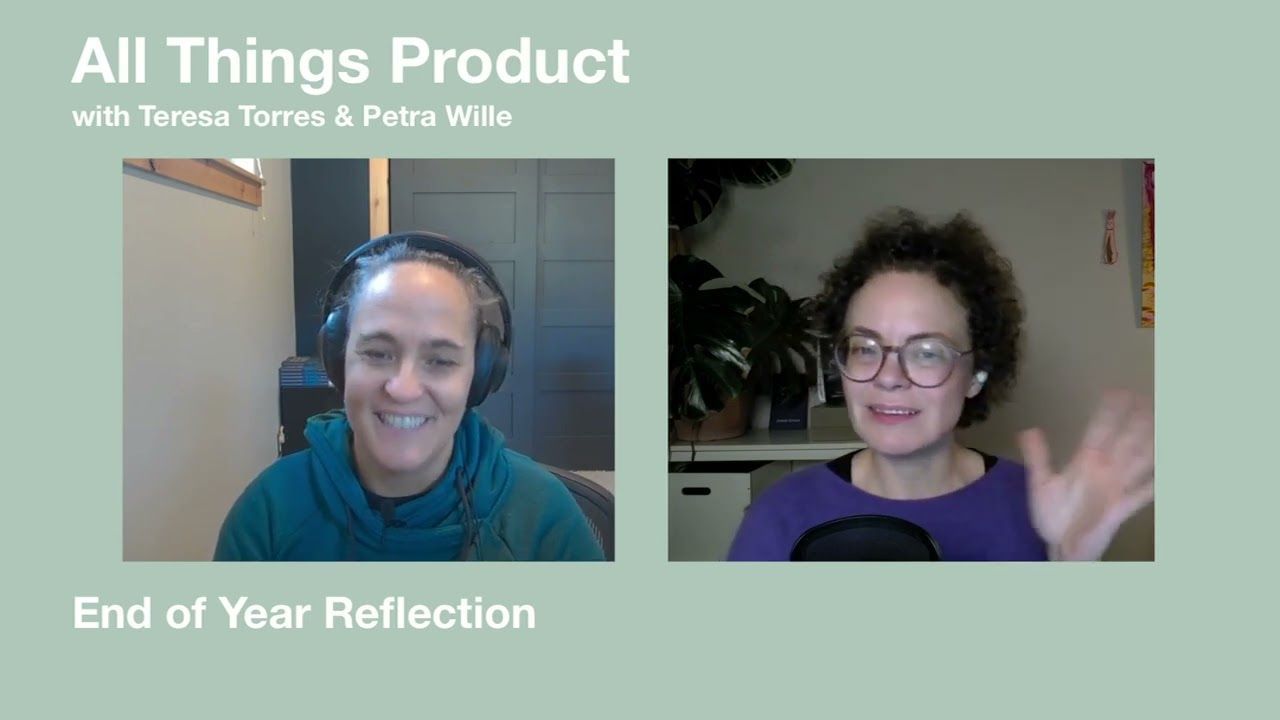
In a recent LinkedIn post, Teresa Torres, co-host of the “All Things Product” podcast, delves into the evolution of personal and professional reflection practices, particularly as the year draws to a close. Torres and her co-host, Petra Wille, share how their approaches have shifted from traditional, rigid goal-setting to more flexible, values-driven, and personally meaningful methods.
Torres highlights the importance of this reflective process for individuals in product-focused roles and beyond. She notes that the journey has been one of “refined over decades of product work, personal growth, and plenty of nerdy experimentation.” This extensive experience has led them to move away from strict annual objectives.
The Evolution from Rigid Goals to Values-Driven Reflection
The core of Torres’s recent insights revolves around the transition away from fixed, outcome-based goals. Instead, she and Wille advocate for a more adaptable framework that emphasizes personal values and broader themes. This shift, as detailed in their podcast discussion, acknowledges that life and work rarely follow a perfectly predictable path.
Torres points out the limitations of rigid goal-setting, especially when external factors or unforeseen circumstances disrupt plans. She emphasizes that reflection is not just about what went well, but also about understanding and adapting when things don’t go as expected. As Teresa Torres notes in her post’s summary of the podcast episode:
“What to do when the year doesn’t go to plan (and why that’s normal)”
This perspective suggests a more compassionate and realistic approach to self-assessment and future planning.
Shaping Personal Reflection Rituals
The post outlines various techniques and influences that have shaped Torres’s and Wille’s reflection habits. These include Chris Guillebeau’s annual review process, which has been influential for Torres, and a range of methods for Wille, such as paper notebooks, art projects, and the “Dear Data” initiative. These diverse tools illustrate a broader philosophy of continuous improvement that integrates personal creativity and data visualization.
Torres also touches upon the distinction between outcome goals and process goals. She argues that focusing on the process can often lead to more sustainable progress and personal growth than solely concentrating on the final outcome.
The Power of ‘100 Wishes’ and Decade-Level Intentions
A particularly intriguing exercise discussed is the “100 wishes” method. Torres describes it as both powerful and surprisingly difficult, suggesting it encourages a deeper exploration of desires and aspirations beyond immediate or conventional goals.
Furthermore, the concept of setting “decade-level themes” or intentions is presented as a way to provide long-term direction without the constraints of short-term, rigid goals. As Teresa Torres explains the podcast’s scope:
“The difference between outcome goals and process goals”
This approach allows for flexibility while maintaining a sense of purpose and alignment with core values over a longer horizon.
Embracing Spaciousness and Adapting to Reality
Torres underscores the importance of building “spaciousness” into one’s life and reflection process, contrasting it with over-scheduling. This deliberate creation of breathing room is seen as essential for genuine reflection and adaptation.
She also addresses the common challenge of years not going according to plan. According to Torres, recognizing that deviations are normal is a crucial part of the reflection process. This understanding helps individuals let go of unrealistic expectations and adjust their course constructively. She elaborates on the podcast’s content:
“How reflection helps uncover unrealistic expectations (and let them go)”
Ultimately, Torres advocates for a reflection process that is dynamic and adapts to individual learning styles and motivational needs, emphasizing that the most effective approach is one that “flexes with how you learn and stay motivated.” This personalized and evolving method, she suggests, is key to navigating personal and professional development with intention and joy.
📝 About This Content
This article is based on insights shared by Teresa Torres on LinkedIn.
📅 Originally posted on December 16, 2025 | View original post on LinkedIn →