
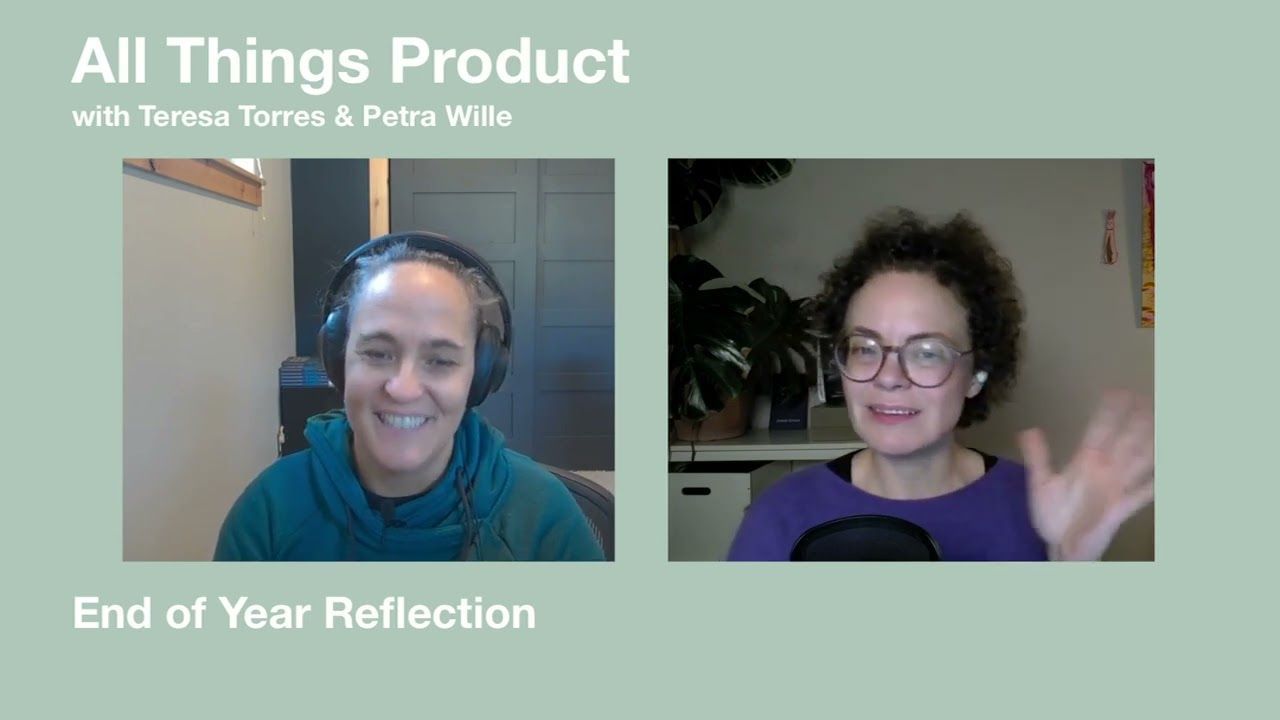
In a recent LinkedIn post, Teresa Torres, a prominent figure in product development, delves into the nuances of end-of-year reflection, sharing insights gained from decades of experience. Writing about an episode of the “All Things Product” podcast she co-hosts with Petra Wille, Torres highlights a significant shift away from traditional, rigid annual goal-setting towards more adaptable, values-driven approaches.
Torres explains that the podcast episode focuses on the evolution of their personal reflection practices. She notes that both she and co-host Petra Wille have moved beyond strict yearly objectives. As Torres elaborates on the podcast’s themes:
“We compare how our processes started, how they’ve evolved, and why both of us have moved away from rigid annual goal-setting in favor of something more flexible, values-driven, and joyful.”
The Evolution of Reflection Practices
The discussion, as outlined in Torres’s post, contrasts the initial stages of their professional journeys with their current, more mature methods. This evolution, according to Torres, is crucial for continuous improvement in both personal and professional spheres. She emphasizes that their current practices are shaped by various influences, from simple “what went well” lists to more complex exercises like the “100-wish” activity and decade-level theming.
Moving from Outcomes to Values
A key theme explored in the post is the distinction between outcome goals and process goals. Torres suggests that focusing solely on outcomes can be limiting, especially when external factors disrupt plans. Instead, she and Wille advocate for a more flexible framework that is guided by core values and overarching themes.
Torres points out the benefits of this approach, particularly in managing expectations and adapting to unforeseen circumstances. She states:
“How reflection helps uncover unrealistic expectations (and let them go).”
This insight underscores the psychological benefit of reflection – it provides a space to acknowledge and release aspirations that may no longer be feasible or relevant, fostering resilience.
Designing a Personal Reflection Ritual
The post serves as an invitation for listeners and readers to design their own reflection rituals. Torres and Wille share practical methods that have been refined through experimentation. These include:
- Utilizing paper notebooks and art projects, as Petra Wille has done.
- Incorporating exercises like Chris Guillebeau’s annual review process, which has influenced Teresa Torres.
- Engaging with the “100 wishes” exercise, which Torres finds both powerful and challenging.
Torres highlights the importance of recognizing patterns across years to inform future decisions. According to her, this long-term perspective is vital for strategic planning and personal growth.
Embracing Spaciousness and Flexibility
A significant takeaway from Torres’s coverage of the podcast is the emphasis on building “spaciousness” into reflection processes, rather than over-scheduling. This allows for organic insights and prevents the process from becoming another burdensome task. Torres argues that the reflection process should adapt to an individual’s learning style and motivational drivers.
“Why your reflection process should flex with how you learn and stay motivated.”
The discussion also touches upon the delicate balance between public sharing and private processing, acknowledging that different individuals may have different needs in this regard. Ultimately, Torres presents an argument for a more human-centered, flexible, and joyful approach to end-of-year reflection, moving away from rigid goal-setting towards a more intention-driven and values-aligned future.
📝 About This Content
This article is based on insights shared by Teresa Torres on LinkedIn.
📅 Originally posted on December 16, 2025 | View original post on LinkedIn →