
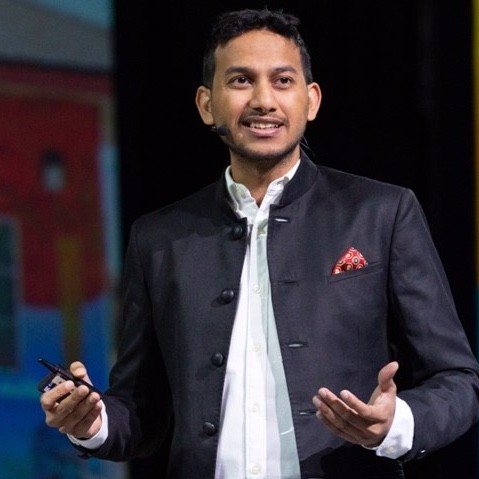
In a recent LinkedIn post, Ritesh Agarwal delves into the deeper impact of major sporting events, arguing that their true value extends far beyond the immediate spectacle of the games themselves. Agarwal posits that these events act as powerful catalysts for destination building, fostering long-term economic and emotional connections with attendees.
Agarwal highlights that while the primary draw for attendees might be the competition, the ancillary experiences are what truly shape perceptions and create lasting impressions. He writes:
A World Cup is never really about the stadiums.
Yes, people come for the matches. But while they’re here, something else happens. They wander into the cities. They try the food. They meet the people. They check into the hotels. They start to feel what a place is actually like.
The Economic Ripple Effect of Global Events
According to Ritesh Agarwal, the immersive experience of a global event generates significant economic benefits that ripple through various sectors of the host city. By encouraging visitors to explore beyond the venue, these events stimulate local economies. As Agarwal puts it:
That builds revenue.
This revenue generation, he explains, is not just a short-term boost but a foundational element for sustained economic growth. The influx of visitors engaging with local businesses—from restaurants and hotels to shops and transportation services—creates a tangible economic impact that benefits a wide range of stakeholders.
Building Lasting Memories and Future Engagement
Beyond the immediate financial gains, Agarwal emphasizes the crucial role these events play in cultivating enduring memories. He argues that the personal connections and sensory experiences forged during a visit are what truly foster loyalty and encourage repeat engagement with a destination. In Ritesh Agarwal’s view:
And memory is the thing that quietly pulls people back, long after the final whistle.
This concept of memory as a driver for future tourism is central to Agarwal’s analysis. He suggests that the positive experiences and emotional resonance created during major events can translate into a powerful, albeit subtle, marketing tool, influencing future travel decisions long after the event has concluded.
Looking Ahead: The US and Future Events
Ritesh Agarwal points to Qatar’s successful leveraging of the World Cup as a case study for this phenomenon. He notes that the nation strategically used the event to showcase its culture and hospitality, building a foundation for future tourism. Looking forward, Agarwal expressed optimism about the potential for similar outcomes in the United States, which is set to host major sporting events.
He states:
Qatar understood this, and it paid off. With the World Cup now under way across the US, I expect the same story to play out.
Agarwal’s analysis underscores a strategic approach to hosting major international events, suggesting that success lies not just in logistical execution but in a deliberate effort to connect visitors with the essence of the host country, thereby building lasting appeal and fostering future economic and cultural exchange.
📝 About This Content
This article is based on insights shared by Ritesh Agarwal on LinkedIn.
📅 Originally posted on June 25, 2026 | View original post on LinkedIn →