
In a recent LinkedIn post, Emily Lyons, founder of Lyons Elite Matchmaking, offers a nuanced perspective on the evolving landscape of relationships and marriage, challenging the financial framing of the so-called ‘SHEconomy.’ Lyons, who has spent over a decade working with single professional women, argues that a significant shift is occurring not just in women’s financial independence, but in their approach to seeking partnership.
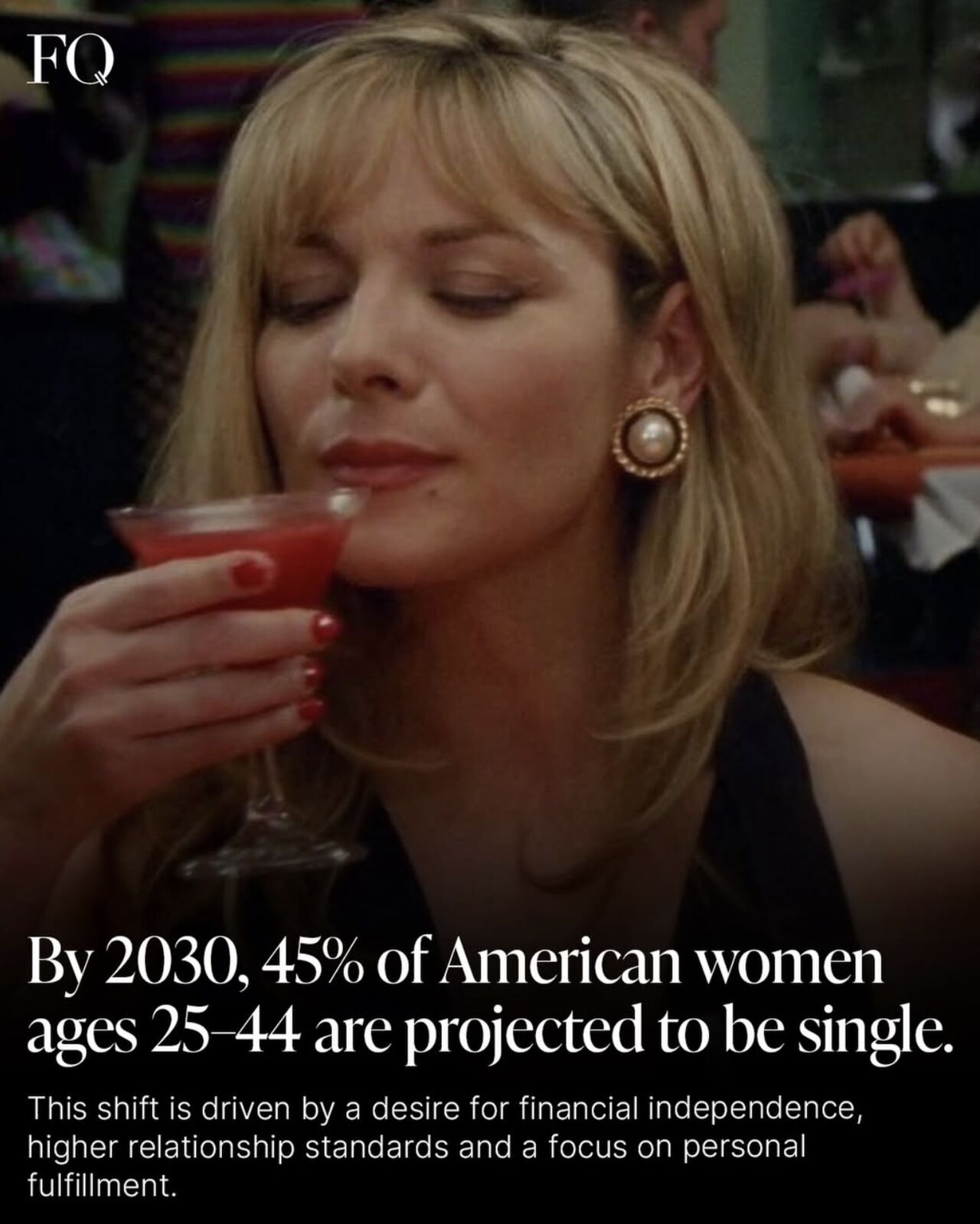
The post references a Morgan Stanley projection that 45% of women aged 25 to 44 will be single by 2030, a phenomenon dubbed the ‘SHEconomy.’ However, Lyons suggests that the economic implications, while real, miss a crucial emotional component.
The Shift from Necessity to Choice
Lyons contends that the traditional view of marriage as an economic necessity or the primary life plan is outdated for many modern women. These women, she observes, have built substantial careers, purchased property, and created lives they genuinely love, independent of a partner. This self-sufficiency has fundamentally altered their relationship expectations.
“These women wrote their own. They stayed single past the age their mothers panicked at, built careers, bought property, and discovered their lives worked beautifully.”
As Emily Lyons points out, this self-authored success means these women are no longer entering the dating market out of a sense of need. Instead, they are seeking a partner as an enhancement to an already fulfilling life.
Love Remains a Desire, Not a Requirement
A key insight from Lyons’s post is that while these women have stopped settling, their desire for love has not diminished. In fact, their clarity about what they bring to a relationship, coupled with their established independence, makes their search for a partner more deliberate and discerning.
The ‘Bonus Round’ of Partnership
Lyons uses the powerful analogy of a ‘bonus round’ to describe the new role of a partner in these women’s lives. Unlike a necessity, a bonus is approached with greater selectivity and higher expectations.
“A partner used to be the plan. Now a partner is the bonus round. And people are far pickier about bonuses than they are about necessities.”
This shift, according to Emily Lyons, leads to healthier relationship dynamics. She argues that relationships built on mutual desire, rather than economic or social pressure, are inherently more stable and fulfilling.
A Hopeful Outlook for Modern Relationships
Lyons expresses a genuinely hopeful outlook stemming from this trend. She believes that women choosing partners from a position of strength and completeness are more likely to build lasting, authentic connections.
“For women, because a choice made from a full life holds in a way a choice made from need never did. The relationships I’ve watched last were built by two people who wanted each other, with no economic script doing the heavy lifting.”
Furthermore, Lyons shares a surprising observation about the men involved. Contrary to potential assumptions that successful men might be deterred by women who need nothing from them, Lyons reports that the ‘good ones’ often welcome this authenticity.
Reframing the Narrative
Emily Lyons suggests a re-framing of this demographic, moving away from purely economic labels. She proposes a more positive and empowering description.
“Morgan Stanley can keep the SHEconomy. I’d call that 45% something else. Millions of women who can finally afford to wait for the real thing, and the men lucky enough to be it. Harder to find. Better when found.”
Lyons’s insights, drawn from her extensive experience in matchmaking, highlight a significant cultural and personal evolution, suggesting that independence is not diminishing the desire for love but rather refining the pursuit of it, leading to potentially more meaningful and enduring partnerships.
📝 About This Content
This article is based on insights shared by Emily Lyons on LinkedIn.
📅 Originally posted on July 15, 2026 | View original post on LinkedIn →