
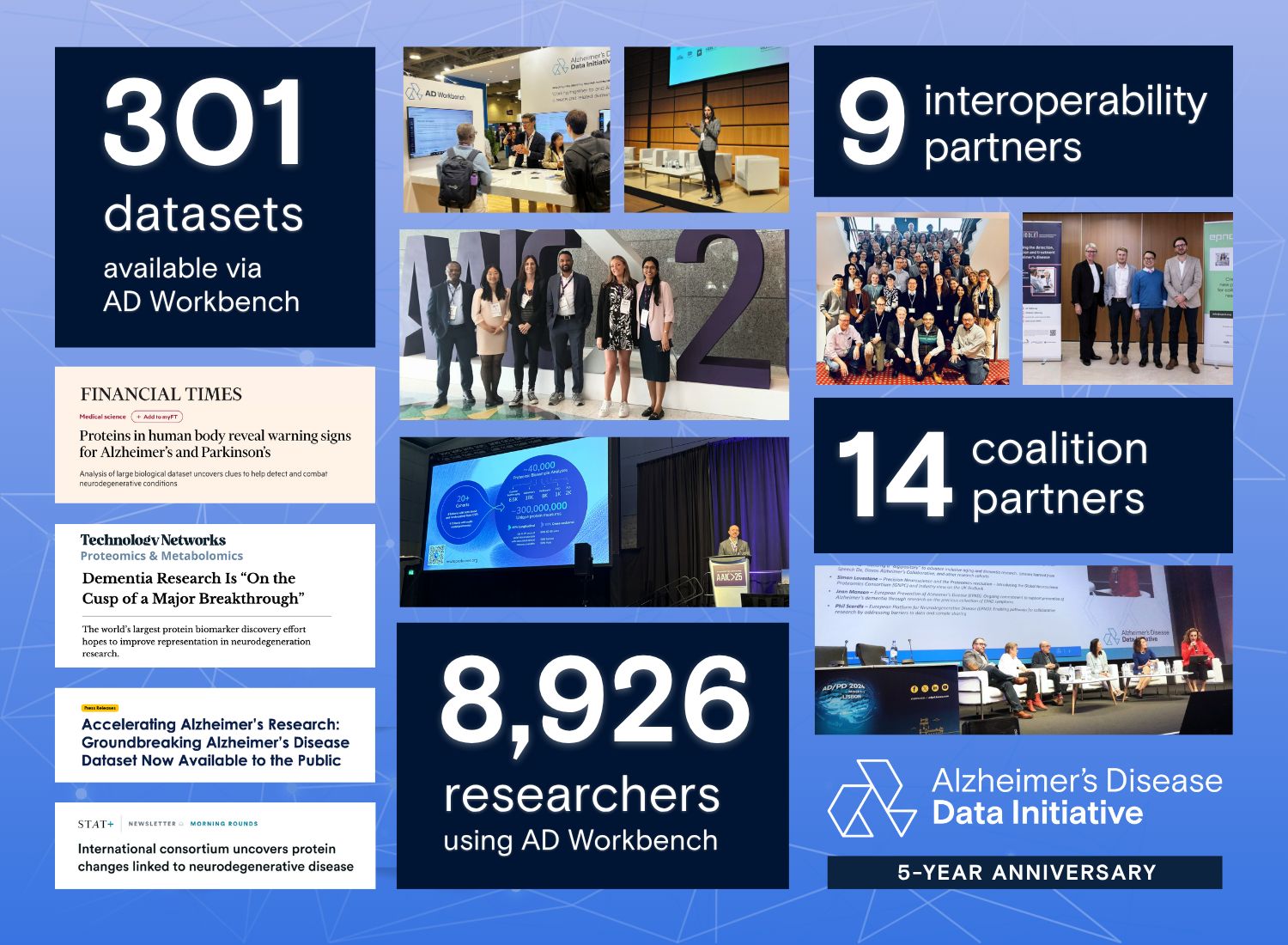
In a recent LinkedIn post, Bill Gates discusses the significant advancements made in Alzheimer’s disease research, emphasizing the critical role of data sharing and collaborative efforts. Gates shared his personal motivation for co-founding the Alzheimer’s Disease Data Initiative five years ago, shortly after his father’s passing from the disease. The initiative’s core objective, he explained, was to dismantle obstacles to data sharing to accelerate research breakthroughs.
Accelerating Discoveries Through Collaboration
Gates expressed his astonishment at the progress achieved since the initiative’s inception. He highlighted the growing community of researchers utilizing their secure platform, the AD Workbench. According to Gates, the platform now hosts over 8,900 researchers who are actively collaborating and connecting data points from more than 300 datasets.
Our goal was simple: break down barriers to data sharing so researchers can make faster progress toward breakthroughs.
This collaborative environment, as Gates points out, is instrumental in advancing discoveries. He elaborated on how partners are effectively connecting disparate data to foster innovation.
A Shifting Prognosis for Alzheimer’s Patients
The tone of Gates’s post shifts to one of cautious optimism regarding the future prognosis for individuals diagnosed with Alzheimer’s. For many years, an Alzheimer’s diagnosis was perceived as a terminal sentence. However, Gates asserts that this perception is beginning to change, thanks to the ongoing research and development efforts.
For decades, an Alzheimer’s diagnosis was a death sentence. That’s finally starting to change.
He projects that the next five years will bring even more substantial progress toward a future where the devastating impact of this disease is significantly mitigated.
The Path Forward: Investment, Collaboration, and Technology
Looking ahead, Bill Gates identifies several key factors that will be crucial in continuing this momentum. He argues that sustained investment in research and development is paramount. Furthermore, he stresses the importance of embracing collaboration among researchers and institutions.
The key will be continuing to invest in research and development, embracing collaboration, and harnessing new technologies like AI.
Gates also pointed to the potential of emerging technologies, such as artificial intelligence (AI), to play a significant role in accelerating understanding and developing new treatments or preventive measures for Alzheimer’s disease.
The insights shared by Bill Gates underscore the power of a focused, data-driven, and collaborative approach to tackling complex medical challenges. His post serves as a testament to the progress being made and offers a hopeful outlook for the future of Alzheimer’s research.
📝 About This Content
This article is based on insights shared by Bill Gates on LinkedIn.
📅 Originally posted on November 17, 2025 | View original post on LinkedIn →