
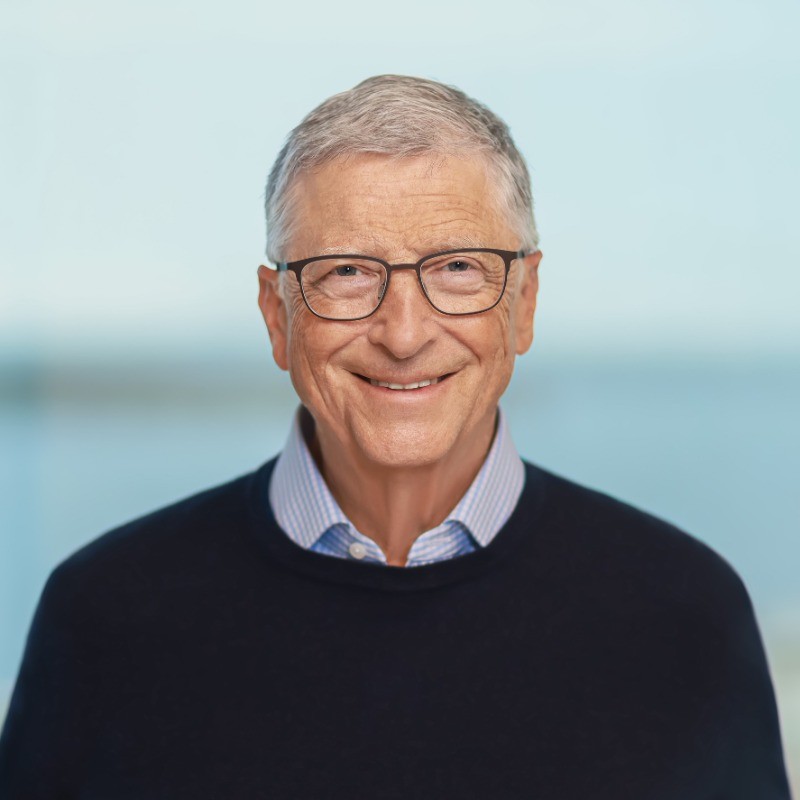
In a recent LinkedIn post, Bill Gates explores the emerging concept of “Human Reserved Jobs” as artificial intelligence continues its rapid integration into the workforce. Gates posits that certain roles should be intentionally set aside for human workers due to unique, irreplaceable human qualities.
The Microsoft co-founder initiated the discussion by posing a fundamental question about the future of work in an AI-driven world.
“I’ve been thinking a lot about the idea of Human Reserved jobs—setting aside certain roles for people because there is something irreplaceably human about them.”
Gates emphasizes that this idea is not merely theoretical but a crucial element in navigating the societal and economic shifts brought about by AI. He suggests that proactive consideration of such roles is vital to harnessing the benefits of AI while mitigating its potential downsides.
The Imperative of Human-Centric Roles
As Bill Gates notes, the accelerating pace of AI development necessitates a thoughtful approach to its societal impact. The concept of human reserved jobs, according to Gates, is a key part of this necessary conversation.
“As AI continues to transform the way we work, I think this is an important part of the conversation about how we navigate the transition and ensure that the good from AI outweighs the bad.”
Gates advocates for a collaborative approach involving global communities and leaders to define these human-centric roles. He acknowledges the complexity of the issue, stating:
“I don’t have all the answers, but I hope communities and leaders around the world come together to decide.”
Defining ‘Irreplaceably Human’
While Gates does not explicitly define which jobs would fall under the “Human Reserved” category, his framing suggests roles that rely heavily on empathy, creativity, complex ethical judgment, and nuanced interpersonal skills. These are areas where current AI, despite its advancements, often struggles to replicate human capabilities.
According to Bill Gates, the core of this concept lies in identifying and valuing the aspects of human work that AI cannot easily or effectively replace. This could include fields like certain aspects of healthcare requiring deep patient connection, creative arts, complex strategic leadership, and roles demanding high levels of emotional intelligence.
Gates concludes his post by opening the floor for broader discussion, posing a direct question to his audience:
“What jobs do you think should be reserved for humans?”
This call to action underscores Gates’s belief that defining the future of human work in the age of AI requires collective input and thoughtful deliberation from a wide range of stakeholders.
📝 About This Content
This article is based on insights shared by Bill Gates on LinkedIn.
📅 Originally posted on September 9, 2026 | View original post on LinkedIn →