
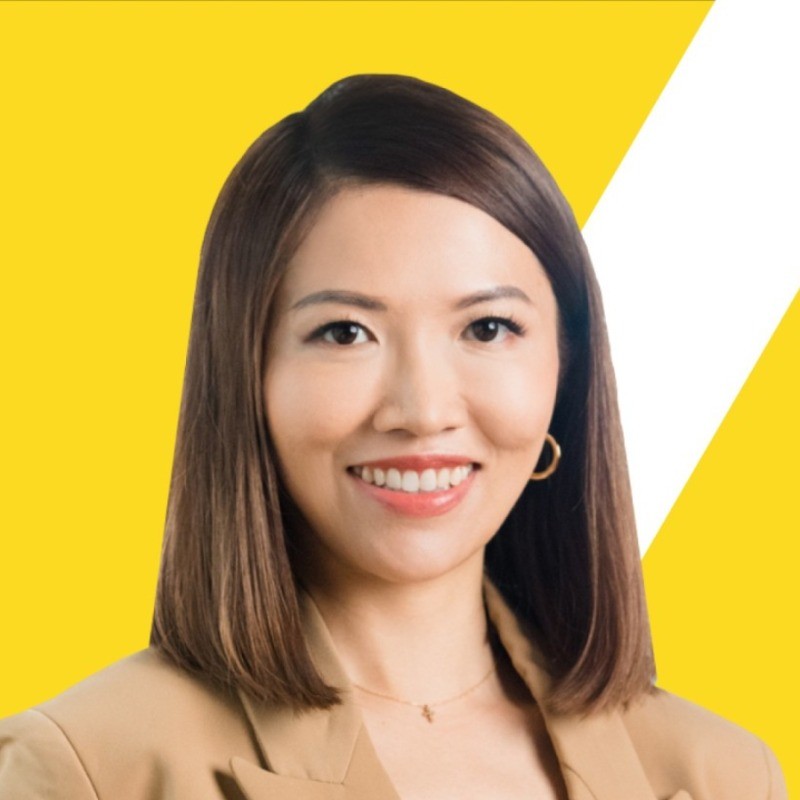
In a recent LinkedIn post, Shulin Lee offers a powerful perspective on the often-conflicting emotions surrounding healing from parental relationships, challenging the notion that seeking personal healing equates to dishonoring one’s parents.
Challenging the Concept of Filial Disloyalty
Shulin Lee begins by addressing a common internal conflict: the guilt some may feel when pursuing healing from their parents. The post asserts that parental mistakes are a natural part of the human experience, not necessarily indicative of bad parenting. Lee writes:
“ALL PARENTS made mistakes.
Not because they were bad parents.
Because they were human.
This foundational point sets the stage for Lee’s central argument: that honoring parents and healing from them are not mutually exclusive. The post emphasizes that it is possible to hold multiple, seemingly contradictory feelings simultaneously. As Shulin Lee notes:
You can love someone AND acknowledge you were hurt.
You can respect them AND not repeat their patterns.
You can be grateful AND still be disappointed.
The Courage of Breaking Cycles
A significant portion of Lee’s post focuses on the profound impact of generational patterns. Lee argues that failing to heal can lead to the unintentional transmission of emotional wounds and unhealthy behaviors to the next generation. The post highlights how unspoken hurt, swallowed anger, and the minimization of personal needs can be observed and learned by children.
Shulin Lee frames the act of breaking these cycles as the most filial duty one can undertake. The post posits:
Because right now?
You’re not just carrying your wounds.
You’re about to pass them to your kids.
Lee encourages readers to recognize that they now possess tools and understanding that their parents may not have had. Utilizing these tools for personal growth and healing is presented not as an act of betrayal, but as a necessary evolution.
Self-Love as the Ultimate Act of Love
The core message revolves around reframing healing. Shulin Lee advocates for viewing self-healing as an act of profound love – love for oneself, love for one’s children, and ultimately, a more mature form of love for one’s parents. According to Lee:
“It’s saying: ‘I love you enough to not blame you. And I love myself and my kids enough to do better.'”
The post urges individuals to stop seeking external validation or permission to heal and grow. It concludes by celebrating the courage involved in confronting and healing from one’s past, distinguishing it from unfilial behavior. Lee’s insights, shared in collaboration with Clinical Psychologist Janet Phang, aim to destigmatize the process of healing from familial relationships and encourage a proactive approach to breaking negative generational cycles.
📝 About This Content
This article is based on insights shared by Shulin Lee on LinkedIn.
📅 Originally posted on December 9, 2025 | View original post on LinkedIn →