
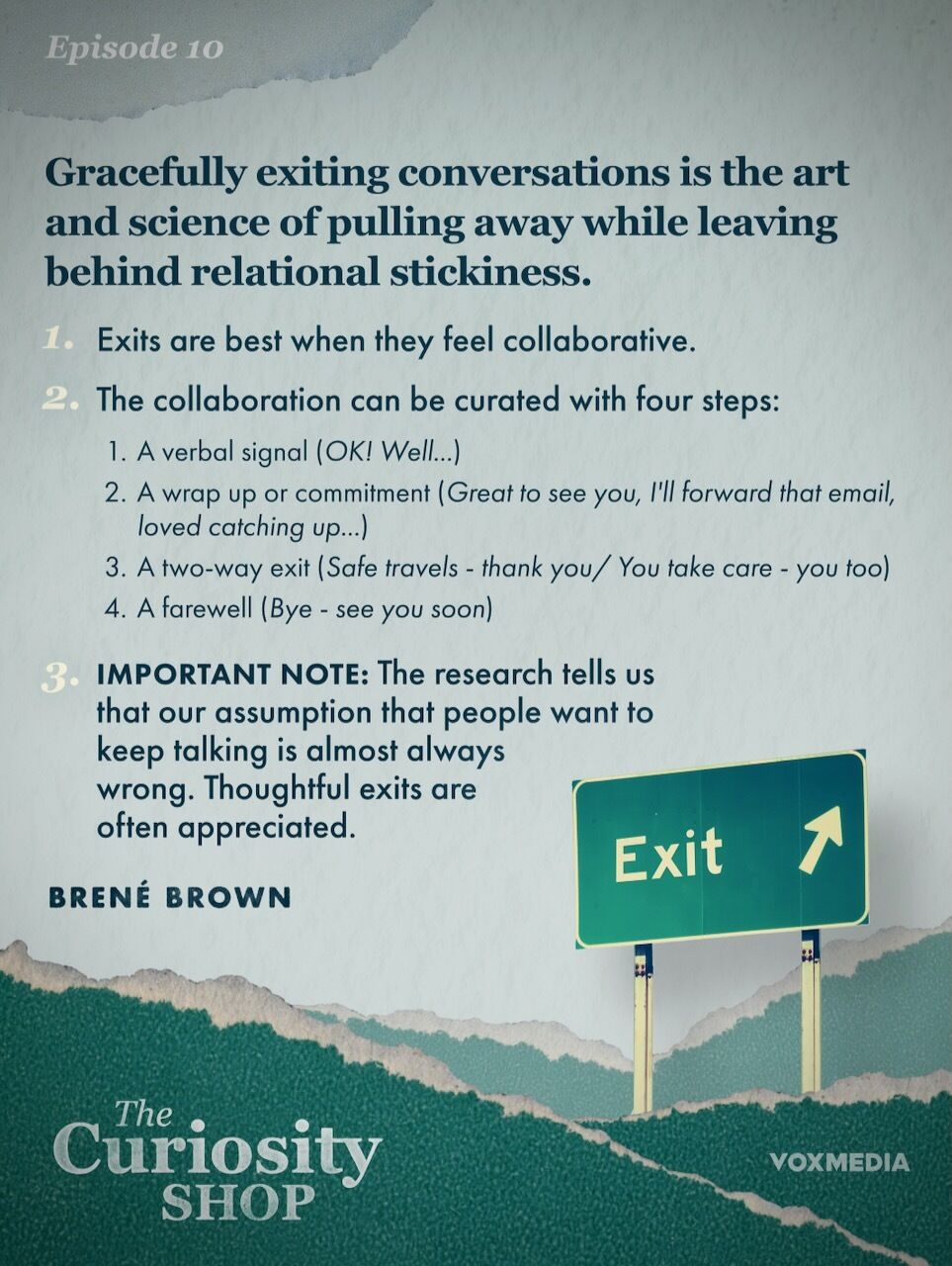
In a recent LinkedIn post, Brené Brown discusses profound insights shared during an episode of ‘The Curiosity Shop’ with Adam Grant. The post delves into her 30 years of sobriety, the unexpected connection between joyful experiences and potential relapse, and the art of gracefully exiting conversations.
Brown highlights the counterintuitive notion that positive life events can be as, if not more, triggering for relapse than difficult ones. This perspective challenges common assumptions about addiction and recovery.
“In Episode 10 of The Curiosity Shop, Adam Grant and I talk about my 30 years of sobriety and why joyful life experiences are as likely, if not more likely, to lead to relapse than tough experiences.”
The Nuances of Relapse Triggers
As Brené Brown notes, the journey through sobriety is complex and often marked by unexpected challenges. Her reflection on the role of joy in relapse is a critical point of discussion. It suggests that managing emotional highs can be just as crucial as navigating emotional lows in maintaining long-term recovery. This insight offers a more comprehensive understanding of the recovery process, moving beyond the traditional focus solely on adverse events as triggers.
Brown elaborates on how relational dynamics play a significant role in her approach to communication and connection, even in the context of ending interactions.
Mastering the Art of Conversation Exits
A significant portion of Brown’s post is dedicated to the skill of exiting conversations, a topic prompted by a question from Adam Grant at a conference. Grant inquired about her ability to disengage from small talk with apparent ease.
“How do you pull away from the small talk huddles with such ease?”
Brown’s response, as detailed in her post, is not about abruptness but about intentionality and connection. She describes her approach as aiming to “pull away while leaving positive relationship residue.” This philosophy underscores her belief in the power of every interaction, even brief ones, to foster connection.
Collaboration in Conversation Endings
Further exploring the dynamics of ending conversations, Brown points out that it’s often a collaborative effort rather than a unilateral action. She shares her perspective:
“I’ve never thought about exits as a process that is started by an individual but requires collaboration and signaling.”
This perspective, informed by her personal experiences and sociological research, reframes conversation endings as a shared social dance. She credits her upbringing and her parents’ relational skills as early influences on her understanding of these subtle social cues. By digging into the research, Brown found academic grounding for her lived experiences, citing works from PNAS and Semiotica that explore how conversations naturally conclude.
Research and Personal Experience Converge
Brown emphasizes that the insights shared are a blend of her extensive personal experience and the findings from academic studies. This integration of qualitative and quantitative understanding is a hallmark of her work, providing a robust framework for examining human behavior and connection.
The discussion, originating from an episode of ‘The Curiosity Shop,’ serves as a reminder of the intricate nature of human interaction and the deep psychological processes involved in maintaining well-being and connection. Brené Brown’s reflections offer valuable lessons for anyone seeking to navigate social dynamics with greater intention and authenticity.
📝 About This Content
This article is based on insights shared by Brené Brown on LinkedIn.
📅 Originally posted on May 22, 2026 | View original post on LinkedIn →