
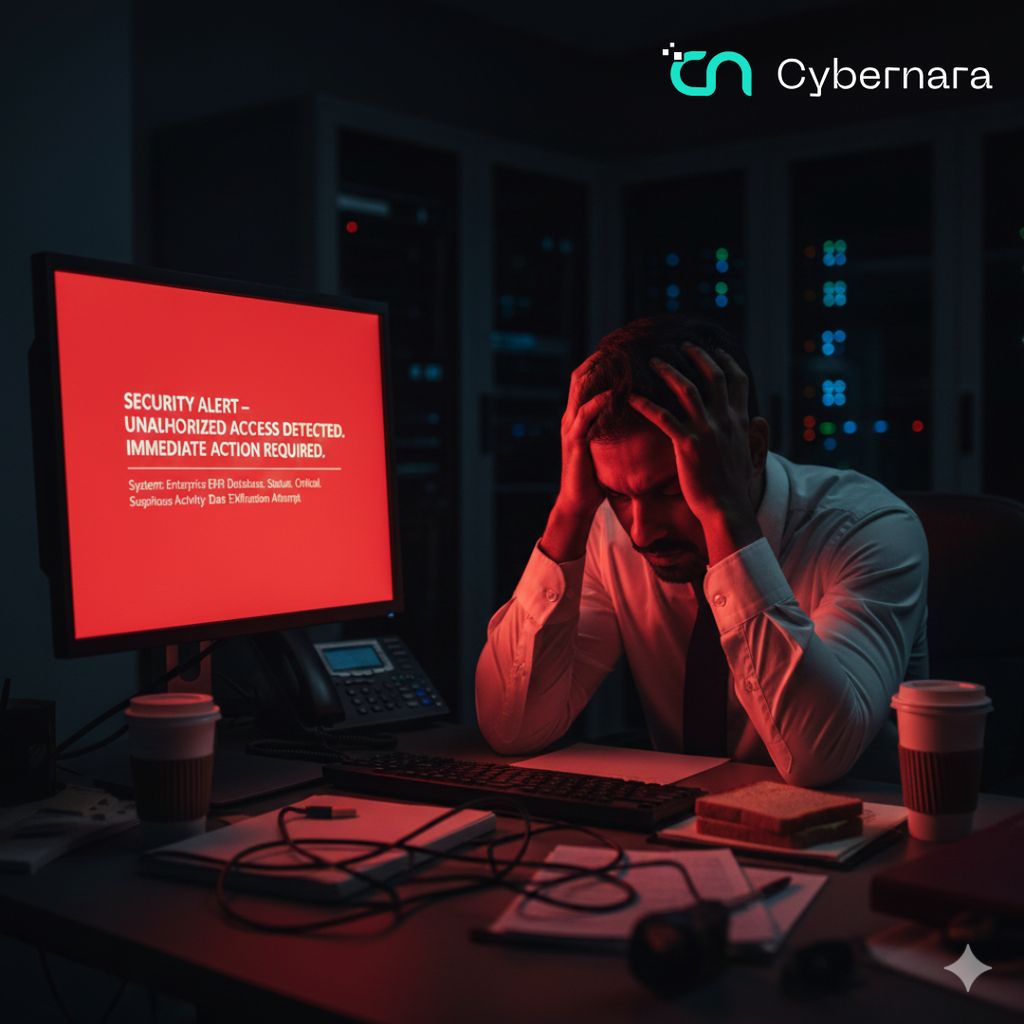
In a recent LinkedIn post, Chirag Goswami discusses the critical challenges and solutions related to security log management within large healthcare organizations. Goswami, sharing insights from a client engagement, emphasizes that the core issue often lies not with the tools themselves, but with the lack of visibility and structured data across disparate systems.
The Pervasive Problem of Scattered Security Logs
Goswami outlines a common scenario faced by a statewide healthcare organization in Australia, which operated multiple hospitals and clinical systems. The post highlights a fundamental problem: while logs existed, true visibility did not. This fragmentation led to several significant issues.
As Chirag Goswami notes:
“Security logs scattered across clinical systems, identity platforms, and infrastructure. No single view for threat detection. Compliance audits required manual effort. Incidents were hard to correlate across hospitals.”
This lack of a unified view meant that security teams struggled to gain a comprehensive understanding of potential threats. Goswami points out that this wasn’t merely a technical inconvenience but a systemic failure that impacted security posture and operational efficiency.
Rethinking Security Monitoring for Healthcare
The crux of the problem, according to Goswami, was a “visibility and structure issue,” rather than a lack of available tools. To address this, Cybernara, the organization Goswami is associated with, implemented a strategic approach focused on centralization and standardization.
The intervention involved designing a centralized security monitoring framework. Goswami elaborates on the key steps taken:
- Integrating data from clinical applications, identity systems, infrastructure, and databases.
- Standardizing log formats to facilitate investigations and audits.
- Developing Security Operations Center (SOC) workflows specifically tailored to the unique risks in healthcare.
- Ensuring monitoring and data retention policies aligned with stringent healthcare compliance requirements.
According to Chirag Goswami, this structured approach is essential for effective cybersecurity in the healthcare sector.
“Good security in healthcare should be invisible to patients and invaluable to teams behind the scenes.”
Tangible Outcomes of Centralized Security
The implementation of this centralized strategy yielded significant improvements for the client. Goswami highlights the tangible benefits, including real-time visibility across all hospitals and systems, leading to faster detection of suspicious access to sensitive health data.
Furthermore, the ability to conduct centralized investigations with full context dramatically improved response times and effectiveness. Goswami also points to the crucial benefit of achieving audit readiness without the eleventh-hour scramble often associated with manual compliance efforts.
In Chirag Goswami’s view, the case demonstrates that a well-designed and structured security monitoring approach is paramount for safeguarding sensitive patient information and ensuring operational resilience in complex healthcare environments.
📝 About This Content
This article is based on insights shared by Chirag Goswami on LinkedIn.
📅 Originally posted on January 6, 2026 | View original post on LinkedIn →