
In a recent LinkedIn post, Parin Mehta discusses the critical misalignment that can occur between Chief Marketing Officers (CMOs) and Chief Executive Officers (CEOs), particularly when differing operational styles clash. Mehta uses a real-world example to illustrate how a disconnect in communication and approach can hinder effective leadership partnerships.
Mehta highlights a scenario involving a highly detailed-oriented CMO and a visionary CEO, emphasizing the friction that arose from their contrasting styles. The CMO, described as “disciplined and thorough,” found himself at odds with his CEO, who was characterized as a “classic visionary” who “moved fast and relied on intuition.” This fundamental difference in approach led to a breakdown in their working relationship.
“He thought he was being responsible. She felt like she was being slowed down by a massive weight.”
As Parin Mehta notes, the CMO’s detailed approach, while intended to be responsible and thorough, was perceived by the CEO as a significant impediment. This perception created a bottleneck, preventing the CEO from acting on her intuitive and rapid decision-making style.
The Cost of Misaligned Communication Styles
Mehta’s analysis points to the significant cost of such misalignments within executive teams. When leaders operate on different wavelengths, it can stifle innovation and operational efficiency. The CMO’s “mountain of context”, as described by Mehta, overwhelmed the CEO, who was accustomed to a faster, more intuitive pace.
The CMO’s Detailed Approach vs. The CEO’s Visionary Style
According to Parin Mehta, the core of the issue lies in the differing priorities and methods of execution. The CMO’s strength in “details” and “discipline” is valuable, but when not effectively communicated or aligned with the CEO’s strategic vision, it can become counterproductive.
“I recently worked with a CMO who was a master of the details. He was disciplined and thorough but he was completely out of sync with his CEO.”
Mehta suggests that the CMO’s detailed updates, while comprehensive, failed to resonate with the CEO’s need for high-level, forward-looking insights. This disconnect is a common challenge in corporate environments where different functional roles necessitate varied communication styles.
Strategies for Resetting the Partnership
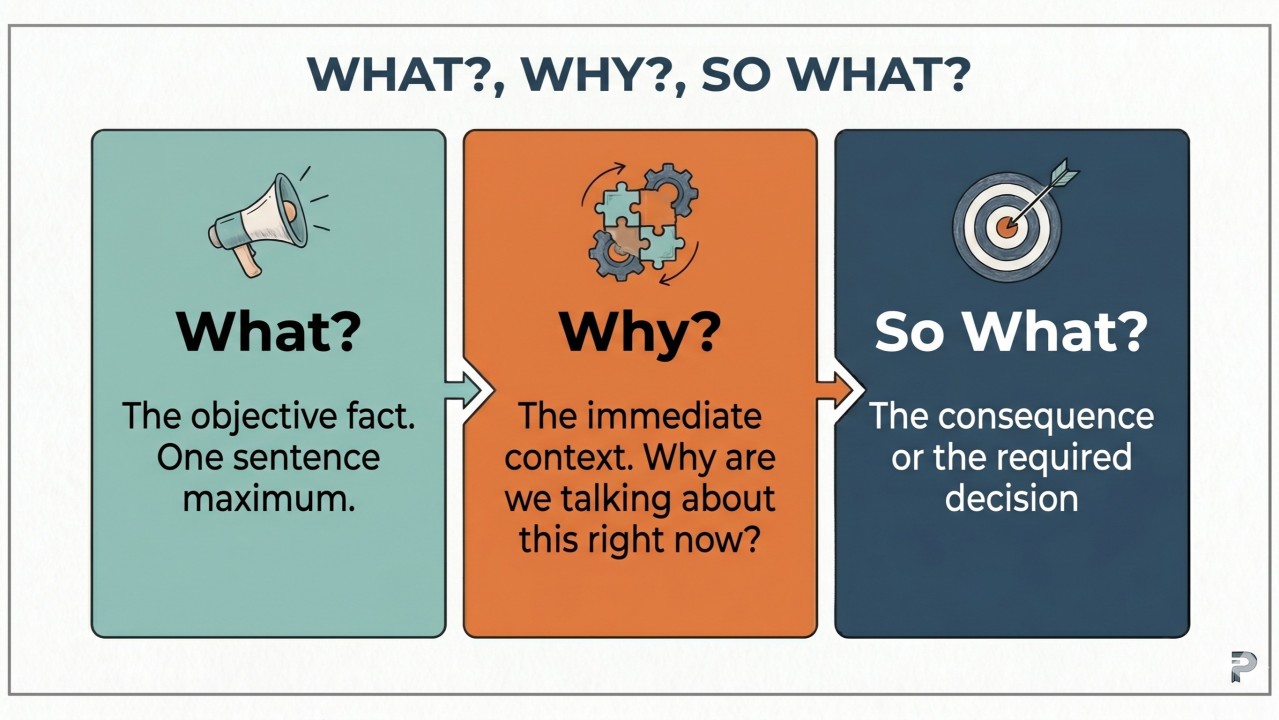
While the original post hints at a resolution, Mehta’s underlying message is the importance of proactive communication and mutual understanding between leaders. The challenge, as Parin Mehta implies, is for the detail-oriented leader to adapt their communication to meet the visionary leader where they are, focusing on the strategic impact rather than exhaustive detail.
The Importance of Adaptability in Leadership
Parin Mehta’s insights underscore the need for leaders to be adaptable in their communication strategies. The CMO, in this case, needed to learn how to present information in a way that aligned with the CEO’s visionary perspective, perhaps by leading with the strategic implications and then offering details as a follow-up or as requested. This requires a shift from simply presenting information to strategically framing it for maximum impact and buy-in.
“She was a classic visionary. She moved fast and relied on intuition.”
In Mehta’s view, the success of any executive partnership hinges on the ability of both parties to recognize and bridge their differences. The CMO’s ability to “reset their partnership,” as hinted at by Mehta, would likely involve a conscious effort to adjust his communication style to better serve the CEO’s preferred mode of engagement, thereby fostering a more cohesive and effective leadership team.
📝 About This Content
This article is based on insights shared by Parin Mehta on LinkedIn.
📅 Originally posted on May 7, 2026 | View original post on LinkedIn →