
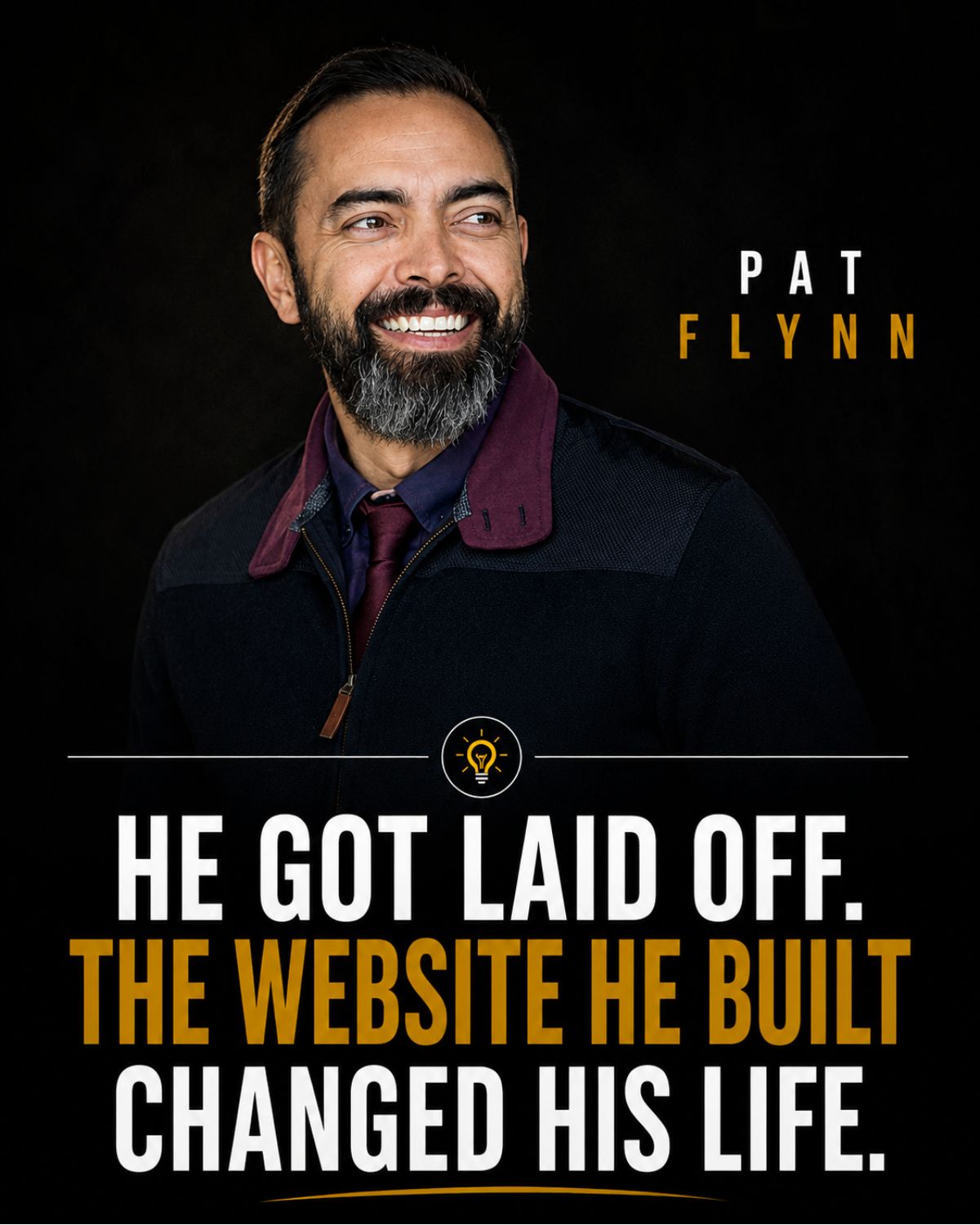
In a recent LinkedIn post, Ani Filipova discusses the concept of “career optionality” and uses the example of Pat Flynn to illustrate how proactive development can create future opportunities, even before they are needed. Filipova emphasizes that building these options is often easier when one’s current career is stable, rather than under the duress of job uncertainty.
Filipova highlights Flynn’s journey as a senior drafter in an architecture firm, earning approximately $38,000 annually. Flynn’s initial goal was to pass the LEED accreditation exam to advance his career. This led him to create a website to organize his study notes, an initiative born out of necessity rather than a predefined business strategy.
“There was no business plan or audience strategy behind it. He simply wanted a better way to study.”
As Ani Filipova details, Flynn began sharing his notes and engaging with other professionals preparing for the same exam. This process not only helped him pass the exam and secure a promotion to $60,000, but it also inadvertently laid the groundwork for future career paths.
The Unforeseen Impact of Proactive Skill Development
The narrative takes a turn with the 2008 financial crisis, which led to widespread layoffs in the architecture industry, including Flynn’s own job loss. It was during this period of uncertainty that Flynn revisited his study website and discovered its significant organic traffic.
According to Filipova, this unexpected audience and the expertise Flynn had cultivated through his study notes represented three crucial assets:
- Expertise people trusted.
- An audience he could reach.
- A problem he could solve.
Filipova points out that Flynn then transformed these assets into a digital study guide. This guide generated over $7,900 in its first month of sales, a figure surpassing his previous monthly salary. This success became the genesis of his well-known platform, Smart Passive Income.
“What interests me most is not the size of the business he later built. It is that Pat began creating career optionality long before he knew he would need it.”
The Strategic Advantage of Building Options Early
Ani Filipova argues that the core lesson from Flynn’s experience is the power of building career optionality proactively. Many professionals, Filipova observes, wait until their current job security is threatened before starting to build something outside their primary role. This approach, she suggests, leads to building under pressure.
Creating Optionality in Stable Times
Filipova elaborates on this point:
“Many professionals wait until their job feels uncertain before building anything outside it. By then, they are building under pressure.”
In contrast, Filipova notes that Flynn’s actions were driven by a desire to improve his current role, not by an immediate need to escape it. This allowed him to develop his skills, build a reputation, attract an audience, and ultimately create a new career path organically.
As Ani Filipova concludes, the seeds of a future career can often be found within the efforts made to excel in one’s current position. She encourages professionals to consider how their day-to-day work might be cultivating future opportunities.
“Your next career may already be hiding inside the work you are doing to improve this one.”
To help professionals assess their own career options, Filipova has created a “Career Optionality Quiz,” which she provides a link to in her post.
📝 About This Content
This article is based on insights shared by Ani Filipova on LinkedIn.
📅 Originally posted on August 4, 2026 | View original post on LinkedIn →