
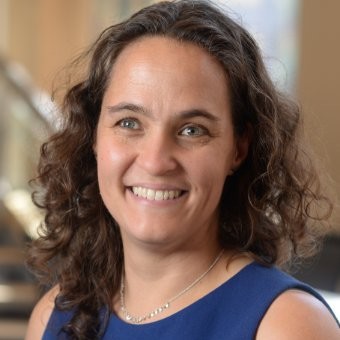
In a recent LinkedIn post, Teresa Torres discusses the challenge many professionals face in moving from understanding product discovery principles to actually implementing them within their organizations. Torres highlights the common feeling of being an isolated advocate for change, a sentiment that underpins her initiative to guide teams through her book, “Continuous Discovery Habits,” throughout 2026.
Torres emphasizes the distinction between reading about a practice and actively doing it. To bridge this gap, she has organized a year-long group reading and practice program. “The book turns five this year and many of you have bought and read it. But reading isn’t the same as doing,” Torres writes, explaining the motivation behind the collaborative learning approach.
Bridging the Gap Between Theory and Practice
The initiative aims to transform passive readers into active practitioners of continuous discovery. Each month focuses on a specific section of the book, supplemented with practical tools and discussions. According to Torres, participants will receive:
- Monthly reading guides featuring reflection questions and exercises.
- Short, shareable videos designed to disseminate the concepts to wider teams.
- Quarterly live discussion sessions to foster a community of practice.
The goal, as Torres articulates, is clear: “By December, you won’t just understand continuous discovery—you’ll be practicing it.” This structured approach is designed to embed the principles into daily workflows, addressing the inertia that often prevents the adoption of new methodologies.
Focus on Continuous Interviewing and AI Synthesis
This month’s program delves into Chapter 5, which focuses on continuous interviewing. Torres points out the significant value derived from collecting specific anecdotes about past customer behavior. “You’ll learn why collecting specific stories about your customer’s past behavior leads to a gold mine of rich insights,” she states, underscoring the power of qualitative data in uncovering actionable intelligence.
Furthermore, the discussion extends beyond the book’s core content. Torres notes the inclusion of supplemental material that addresses contemporary tools, specifically mentioning the application of AI in synthesizing interview findings. “how to synthesize what you learn from each interview, and even how to get the most out of AI synthesis,” Torres explains, indicating a forward-looking perspective that integrates modern technological advancements into established discovery practices.
Encouraging Practical Application and Sharing
Torres concludes her post by actively soliciting engagement from her network, posing a direct question to encourage reflection and sharing of experiences. “Does your team collect customer stories? What insights has it generated? Share your experience in the comments,” she prompts. This call to action reflects her belief that shared experiences are crucial for reinforcing learning and driving organizational change. As Teresa Torres demonstrates, fostering a community around continuous discovery is key to ensuring that the principles discussed in her book are not just read, but truly lived.
📝 About This Content
This article is based on insights shared by Teresa Torres on LinkedIn.
📅 Originally posted on April 6, 2026 | View original post on LinkedIn →