
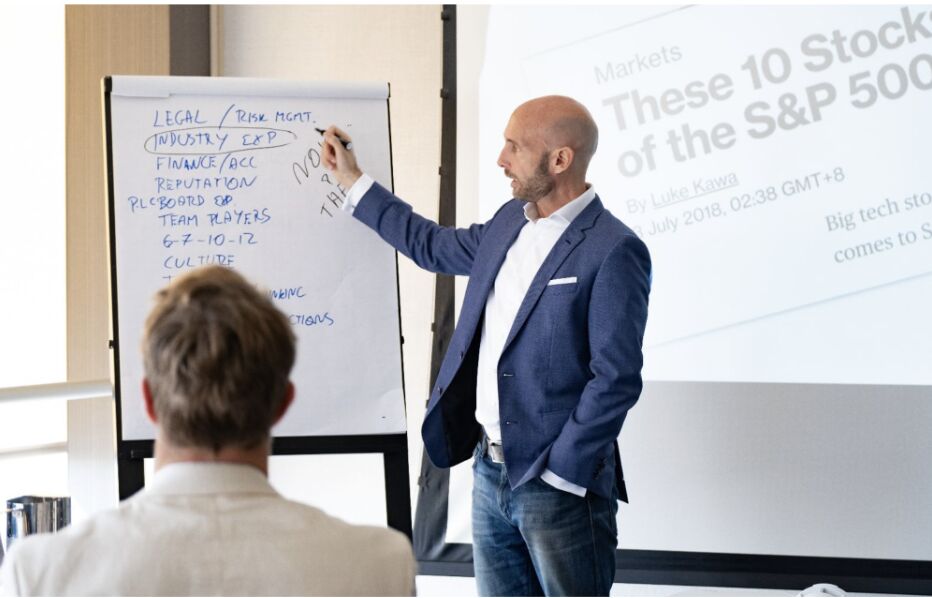
In a recent LinkedIn post, Callum Laing discusses a common pitfall in partnership proposals and sales pitches: focusing too much on potential upside without addressing the recipient’s concerns about risk and downside.
Laing argues that many individuals and businesses make the mistake of highlighting only the positive outcomes of a potential collaboration. This approach, he suggests, overlooks a fundamental aspect of decision-making: the natural inclination to protect oneself from potential negative consequences.
“Most people pitch partnerships the wrong way. They talk about all the wonderful things that could happen if everything goes perfectly as planned.”
The Importance of Addressing Downside Protection
According to Laing, the primary concern for those on the receiving end of a pitch is not necessarily the potential gains, but rather what they might lose or the risks involved if things go awry. This is particularly true when brand reputation is at stake.
“But there’s a problem with that. Most people on the receiving end are much more concerned about what they would have to give up, or what their risk is if things going wrong. They’re justifiably worried about protecting their brand,” Laing writes.
Shifting the Focus to Security
Laing emphasizes that without a clear plan for mitigating these risks, a deal is unlikely to materialize. He advocates for making downside protection a priority in any presentation, even before detailing the potential benefits.
“If you can’t show them how their downside is protected, they’ll never sign,” Laing asserts. He believes that only once potential partners feel secure and their risks are adequately addressed can they open their minds to the positive future being proposed.
Broader Applications of the Principle
The principle of addressing downside risk first, as highlighted by Laing, extends beyond just partnership pitches. He points out its relevance in various professional and personal contexts.
“This goes for partnerships, job applications, client sales and capital raising. And probably marriage proposals too!!” Laing concludes, underscoring the universal nature of this psychological dynamic in negotiation and persuasion.
Laing also offers a direct call to action, inviting connections for further discussion and resources, stating: “Send me a connection request and I’ll share some free goodies (no obligation, no risk!)” This invitation reflects his commitment to helping others navigate these crucial aspects of business development effectively.
📝 About This Content
This article is based on insights shared by Callum Laing on LinkedIn.
📅 Originally posted on July 30, 2026 | View original post on LinkedIn →