
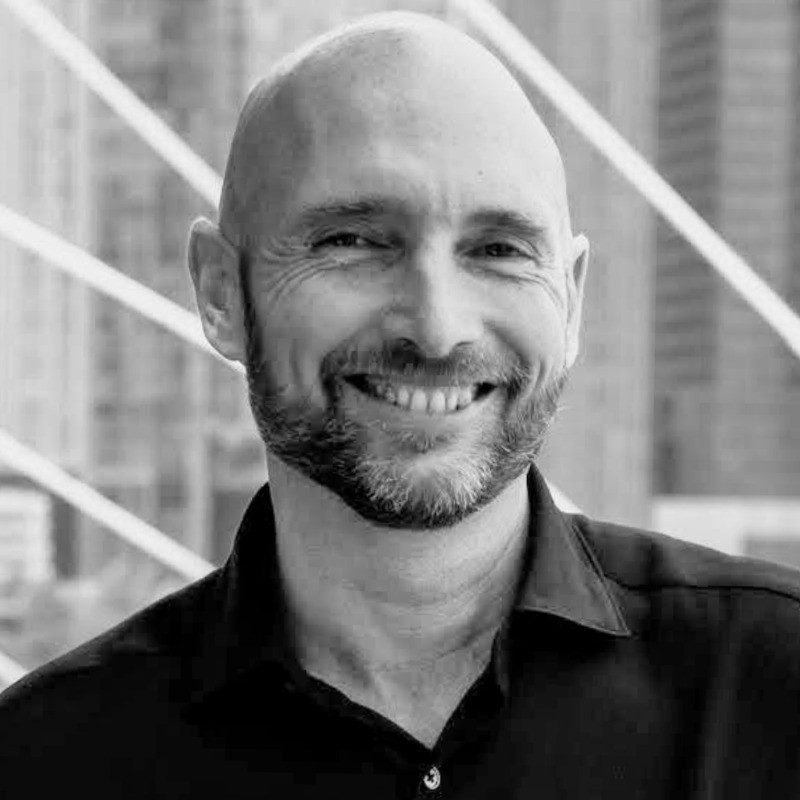
In a recent LinkedIn post, Callum Laing delves into the often-uncomfortable relationship individuals have with uncertainty and argues that a greater tolerance for it is intrinsically linked to higher rewards in both career and personal life. Laing challenges the common preference for stability over potential growth, suggesting that this aversion to the unknown is a primary reason why many people do not achieve their full potential.
Laing begins by posing a direct question to his audience: “How Comfortable Are You With Uncertainty?” He immediately follows this by highlighting the widespread human inclination towards predictability, even at the cost of potential gain. He illustrates this with relatable examples:
“Would you prefer a low income but you know what you receive each month? OR commission based but where it could be feast or famine? 99% of the population would always choose the former if they could.”
This preference for certainty, Laing contends, is deeply ingrained and influences major life decisions, from financial investments to career paths. He points out that early career roles often provide a high degree of structure and predictability, which can be comforting but also limits exposure to risk and, consequently, to greater rewards.
The Trade-off Between Certainty and Reward
Callum Laing argues that the most significant rewards are reserved for those who possess a different appetite for uncertainty. He suggests that companies are keenly aware of this human bias, often leveraging it in their marketing to sell the idea of security and stability. However, Laing believes this focus on certainty can be a limiting factor for personal and professional advancement.
According to Laing, the wealthiest and most successful individuals often demonstrate a willingness to commit to ventures without a guaranteed outcome. This requires a degree of “blind faith” and resilience in the face of setbacks. He notes that failure is not a deterrent for these individuals but rather a part of the iterative process towards success.
“The biggest rewards go to those who are willing to embrace uncertainty. Look at the wealthiest people in our societies, time after time they commit to something not knowing the outcome but willing to have some blind faith that it will work out. Most times it doesn’t, but that doesn’t stop them trying again. And again, until something does work out.”
Laing emphasizes that embracing uncertainty does not necessarily mean undertaking high-stakes, world-altering projects. He advocates for a gradual approach to building comfort with the unknown.
Practical Steps to Embrace Uncertainty
In his post, Laing provides accessible examples of how individuals can begin to cultivate a higher tolerance for uncertainty in their daily lives. These are presented not as monumental leaps but as manageable steps that can build confidence and adaptability over time.
He suggests that simple actions can serve as training grounds for embracing the unknown. These include:
- Trying a new restaurant
- Joining a new community
- Picking up a new sport
- Starting a side gig in one’s spare time
Laing believes that these activities, while seemingly small, help individuals develop the mental fortitude to navigate less predictable situations. He concludes by reiterating his core belief:
“Uncertainty is scary, but it’s where the rewards lie and I believe anyone can train themselves to get more comfortable with it.”
By reframing uncertainty not as a threat but as a gateway to greater opportunities, Callum Laing encourages his audience to reconsider their inherent aversion to the unknown and to actively seek out experiences that challenge their comfort zones.
📝 About This Content
This article is based on insights shared by Callum Laing on LinkedIn.
📅 Originally posted on May 27, 2026 | View original post on LinkedIn →