
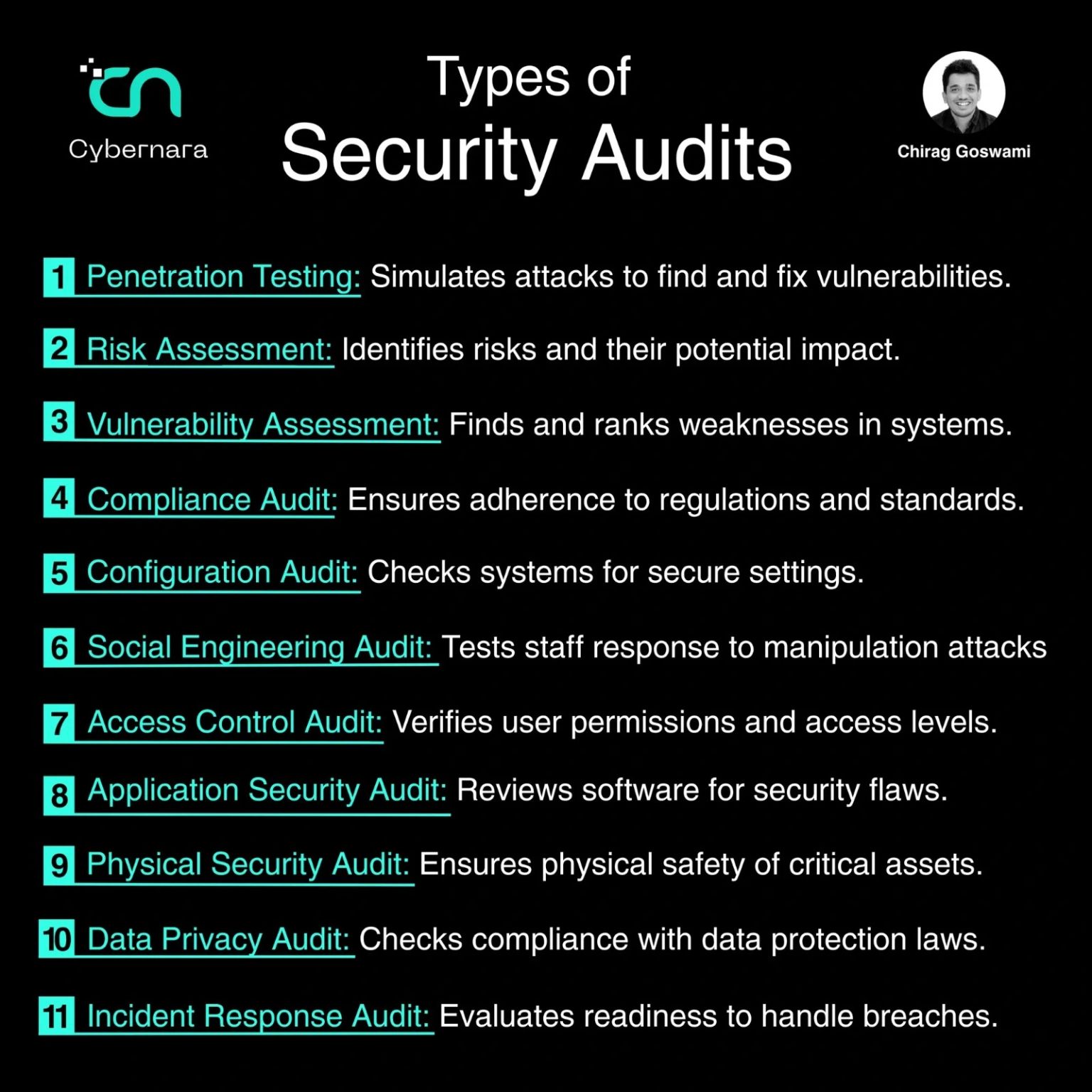
In a recent LinkedIn post, Chirag Goswami discusses the critical importance of regular security audits for small and medium-sized businesses (SMBs), emphasizing that these reviews should not be treated as a one-time event. Goswami argues that viewing security audits as a periodic exercise can leave businesses vulnerable to exploitation.
Goswami highlights the proactive nature of effective security practices. “A security audit isn’t about reacting after an incident—it’s about identifying weaknesses before they’re exploited,” he states in the post. This perspective frames security audits as an essential component of risk management, rather than a compliance checkbox.
Recommended Audit Cadence for Robust Security
Chirag Goswami outlines a structured approach to security auditing tailored for most SMBs. He recommends a multi-tiered frequency to ensure continuous vigilance.
Annual Full Audits
According to Goswami, a comprehensive annual audit is necessary. This involves a deep dive into all aspects of a company’s security posture.
“Annual full audit: Review systems, access controls, policies, and configurations end to end.”
This thorough review aims to identify any systemic weaknesses or outdated configurations that may have accumulated over the year.
Quarterly Check-ins and Post-Change Reviews
Complementing the annual review, Goswami suggests more frequent, focused assessments. “Quarterly check-ins: Run focused vulnerability scans and review recent changes,” he advises. These shorter reviews help catch emerging issues more quickly.
Furthermore, Goswami stresses the importance of conducting audits in response to significant operational shifts. He notes that any major undertaking should trigger an immediate security review:
“After major changes: Any new website, software rollout, cloud migration, or integration should trigger a review.”
This approach acknowledges that significant changes inherently introduce new potential vulnerabilities.
The Underlying Reasons for Frequent Audits
Chirag Goswami elaborates on the dynamic nature of the threat landscape and internal business operations that necessitate this regular scrutiny. “Threats evolve rapidly,” he points out, underscoring the need for businesses to stay ahead of emerging cyber risks.
Beyond external threats, Goswami also flags internal factors. “Employee changes affect access rights” and the introduction of new tools can inadvertently create security gaps. Regular audits help manage these internal risks effectively.
Actionable Steps for Immediate Security Improvement
Goswami also provides practical, immediate actions businesses can take to bolster their security. These “Quick Wins” are designed for rapid implementation:
- Removing unused or former employee accounts.
- Ensuring all systems and devices are kept updated.
- Reviewing access privileges to sensitive data.
- Enabling multi-factor authentication (MFA) on critical accounts.
These steps, according to Goswami, form the foundation of a strong, responsive security posture.
The Strategic Value of Security Audits
Concluding his post, Chirag Goswami reiterates the strategic significance of audits. “Security audits aren’t a checkbox—they’re an early warning system,” he emphasizes. This framing positions audits as a vital tool for preventing costly incidents by addressing issues before they escalate.
Goswami’s insights, shared via his LinkedIn post, offer a clear roadmap for SMBs looking to enhance their cybersecurity resilience through consistent and strategic auditing practices.
📝 About This Content
This article is based on insights shared by Chirag Goswami on LinkedIn.
📅 Originally posted on January 22, 2026 | View original post on LinkedIn →