
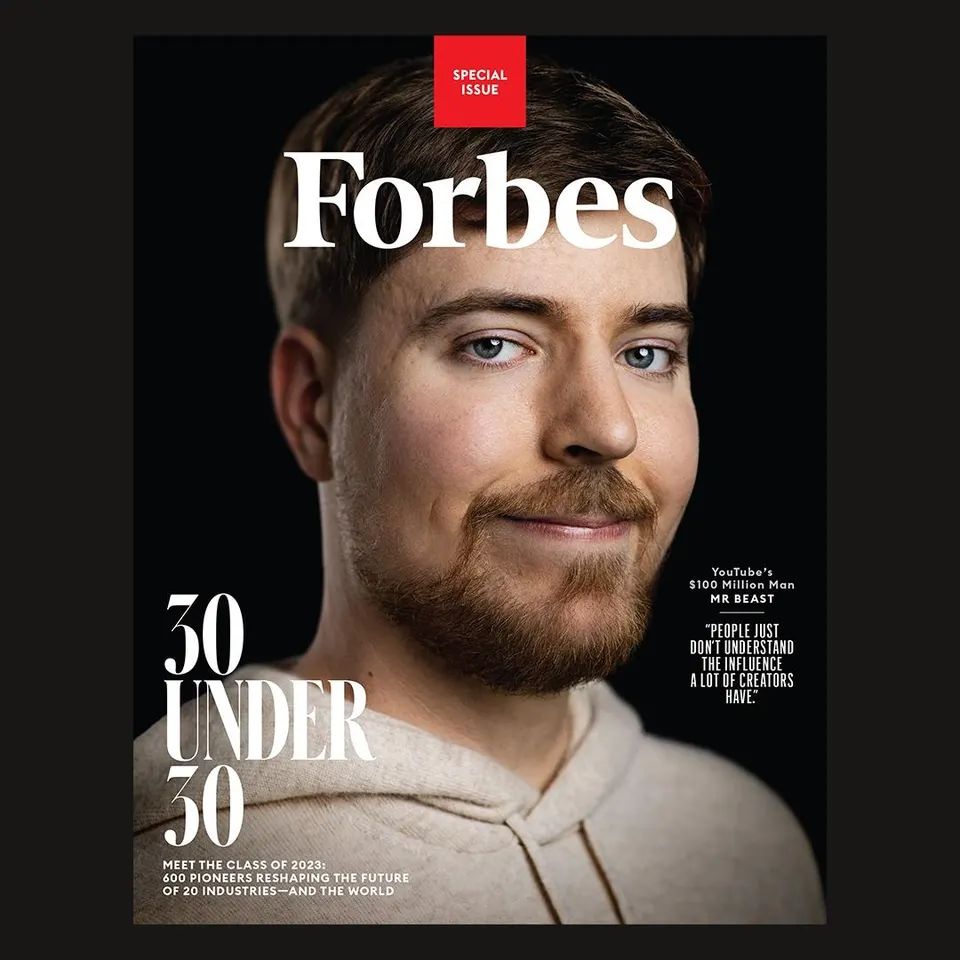
In a recent LinkedIn post, Emily Lyons dives into the often-overlooked reason behind content underperformance: the content itself, rather than external factors like algorithms or timing. Lyons challenges creators to confront the possibility that their work may simply not be strong enough yet, a perspective she frames through the lens of MrBeast’s early career experiences.
Lyons highlights MrBeast’s candid admission in an interview that early videos were far from excellent, despite his youthful conviction otherwise. She draws a parallel to many creators who, according to Lyons, are quick to blame external forces when their content doesn’t gain traction.
“If you knew what I knew, you could get 10 million subscribers in six months. Your videos suck. You think they’re good. They aren’t. And the sooner you accept that, the sooner you’ll get views.”
Lyons emphasizes that this tendency to seek external validation for poor performance is a common pitfall. She suggests that many creators quit before their work reaches its potential, preferring to blame ‘the algorithm,’ ‘the timing,’ or ‘the platform’ rather than confronting the quality of their content.
The Brutal Simplicity of Improvement
Drawing further from MrBeast’s advice, Lyons advocates for a disciplined approach to content creation focused on iterative improvement. The strategy involves consistently producing content and making incremental enhancements with each piece.
“Make 100 videos and improve one thing each time. A better script. A stronger edit. Better delivery. A sharper opening. Just keep going,” Lyons quotes, attributing this actionable advice to the popular YouTuber.
This approach, according to Lyons, shifts the focus from deciphering an elusive algorithm to understanding audience reception. She posits that when creators blame the ‘algorithm,’ they should instead consider their ‘audience’.
“As he put it, anytime you say ‘algorithm,’ replace it with ‘audience.’ The algorithm did not dislike your video. The audience did.”
Lyons finds this reframing particularly useful, as it transforms an invisible, seemingly insurmountable obstacle into a tangible problem: the need for the work itself to improve. This perspective, she argues, empowers creators by making the solution internal and controllable.
Shifting from Planning to Uploading
Lyons encourages a practical, action-oriented mindset, urging creators to prioritize uploading over excessive planning. She acknowledges that initial content, and even the first ten pieces, may not achieve significant viewership, but frames this as an inherent part of the creative process rather than a sign of failure.
“You don’t just pick up a baseball and become an MLB-level athlete within a year. It takes many, many, many years. YouTube’s kind of the same way.”
This analogy underscores Lyons’s central argument: mastery in content creation, much like athletic prowess, is a result of sustained effort and dedicated practice over a considerable period. The key, as Lyons concludes, is consistent dedication to the craft.
The Long Game of Content Mastery
Lyons concludes her post by reinforcing the idea that success in content creation is rarely about innate talent or immediate results. Instead, it is about perseverance and a relentless commitment to self-improvement.
The core question for any creator, according to Lyons, should be straightforward yet profound: “how do I make this better than the last one?” This daily pursuit of marginal gains, she suggests, is the true path to achieving excellence and longevity in any field, particularly in content creation.
📝 About This Content
This article is based on insights shared by Emily Lyons on LinkedIn.
📅 Originally posted on April 14, 2026 | View original post on LinkedIn →