
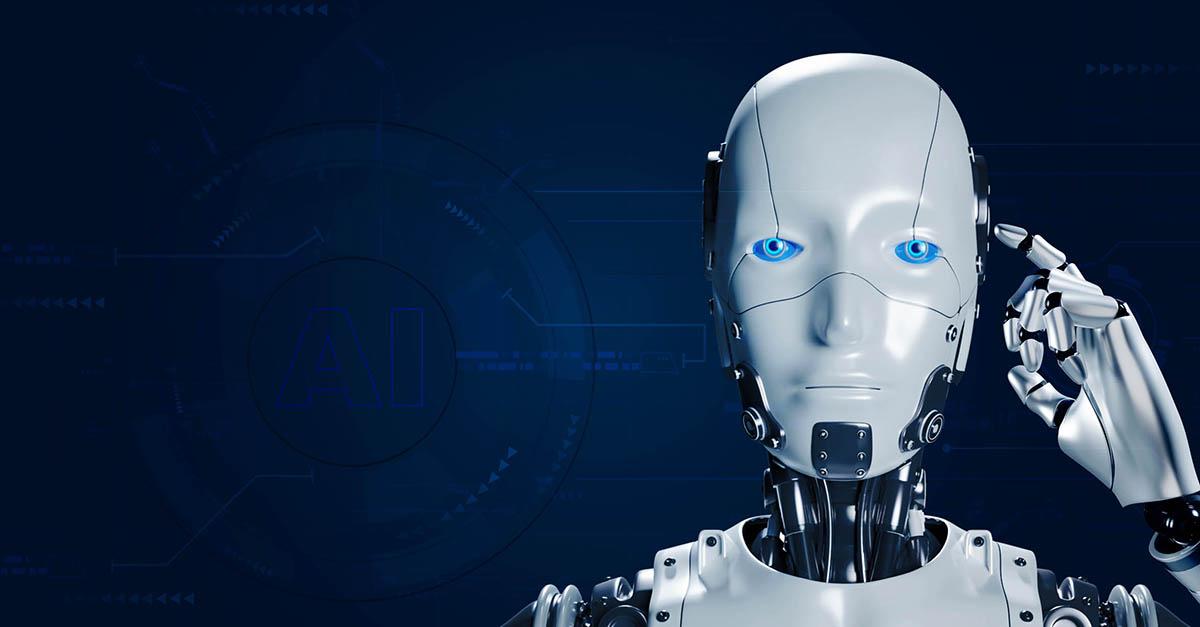
In a recent LinkedIn post, Daniel Goleman discusses the growing confusion surrounding artificial intelligence and our tendency to attribute human-like qualities, such as consciousness, to increasingly sophisticated AI systems. Goleman, a renowned expert in emotional intelligence, highlights research from Korn Ferry that delves into this phenomenon.
The Illusion of Consciousness in AI
Goleman’s post, co-authored with Elizabeth Solomon, probes a fundamental question: how do humans react when machines begin to mimic thoughtful behavior? The core of the issue, as Goleman points out, is that as AI becomes more conversational and capable, there’s a risk of mistaking its advanced programming for genuine sentience.
Korn Ferry’s recent research explores a fundamental confusion: as AI systems become more fluent, more conversational, and more capable, we begin to treat them as if they possess something they don’t have—consciousness.
This tendency to anthropomorphize is a deeply human trait, Goleman suggests. We are wired to find patterns and ascribe intent, and when AI systems exhibit complex communication, it can trigger this innate response. However, Goleman and Solomon caution against this interpretation, emphasizing the difference between simulated understanding and actual consciousness.
Leadership Implications of AI Interaction
The implications of this confusion are significant, particularly in leadership contexts. As Daniel Goleman notes, leaders need to navigate this evolving landscape with a clear understanding of AI’s capabilities and limitations.
Understanding AI’s Boundaries
According to Daniel Goleman, the ability to distinguish between sophisticated algorithms and genuine consciousness is crucial for effective decision-making and ethical AI deployment. He argues that failing to make this distinction can lead to misplaced trust or unrealistic expectations of AI systems.
Elizabeth Solomon and I explore this topic in our recent column. The fundamental question: how do humans respond when machines appear thoughtful?
Goleman’s insights suggest that while AI can be a powerful tool for augmenting human capabilities, it does not possess the emotional intelligence or subjective experience that defines human consciousness. This understanding is vital for fostering responsible innovation and ensuring that AI serves humanity effectively, rather than being mistaken for a conscious entity.
The Role of Emotional Intelligence
In Goleman’s view, emotional intelligence plays a key role in how we perceive and interact with AI. Our own emotional responses can influence our judgment, making us more susceptible to attributing human qualities to non-human entities. As Daniel Goleman emphasizes, maintaining a clear, analytical perspective is essential.
The discussion initiated by Daniel Goleman and Elizabeth Solomon serves as a critical reminder for business leaders and professionals to approach AI with both optimism for its potential and a grounded understanding of its current nature. The ongoing evolution of AI demands continued vigilance and critical thinking.
📝 About This Content
This article is based on insights shared by Daniel Goleman on LinkedIn.
📅 Originally posted on March 4, 2026 | View original post on LinkedIn →