
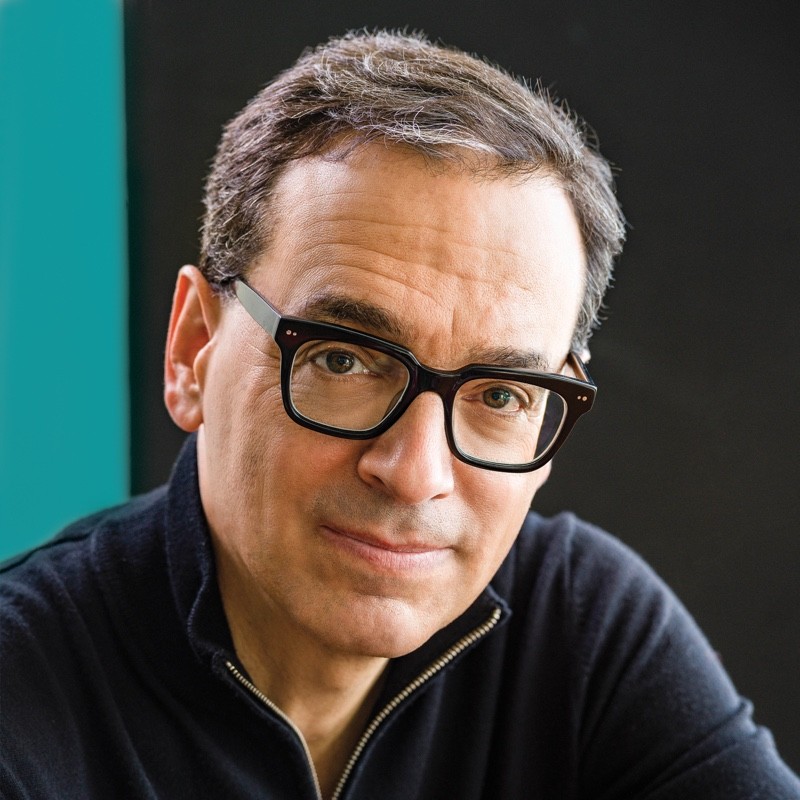
In a recent LinkedIn post, best-selling author Danielpink distills the essence of countless productivity books into six fundamental lessons. After reading “at least a hundred” such volumes, pink identifies a common thread, asserting that the most effective productivity strategies are surprisingly straightforward.
The Core Principles of Effective Productivity
Danielpink begins by emphasizing that true productivity isn’t about doing more, but about doing less, more effectively. This principle forms the cornerstone of his advice, suggesting a radical approach to task management.
“The people who get the most done don’t do more things. They do fewer things, better. Choose your top 10 priorities — then eliminate numbers 4 through 10. That’s tough, but it’s the whole game.”
This focus on ruthless prioritization, as Danielpink outlines, requires a significant mental shift. It involves not just identifying what is important but actively discarding the less critical, even if they seem like reasonable tasks.
Maximizing Peak Performance and Minimizing Decision Fatigue
Beyond prioritization, Danielpink addresses the critical need to safeguard personal peak performance times. He refers to these as “golden hours,” suggesting that individuals should identify and protect a 2-3 hour window, typically in the morning, for their most demanding work.
Protecting “Golden Hours”
According to Danielpink, this protected time should be free from distractions. He advises removing phones, turning off notifications, and closing email clients to create an environment conducive to deep work. This aligns with the adage, often attributed to Mark Twain, of “eating the frog” – tackling the most challenging task first during this optimal period.
Systematizing the Mundane
Danielpink also advocates for systematizing the “small stuff” to conserve mental energy. He introduces the “2-minute rule,” suggesting that tasks taking less than two minutes should be completed immediately to avoid cluttering the mind. Batching similar tasks and minimizing decision-making, much like President Obama reportedly wore only gray or navy suits, are key strategies he highlights for reducing cognitive load.
“Think less. Automate more… Even the powerful automate.”
The Power of Progress and Strategic Rest
A significant motivator, Danielpink argues, is not external praise or pressure, but the internal sense of progress. He suggests ending each day by noting three accomplishments, however small, to reinforce forward momentum.
Tracking Progress as a Motivator
As Danielpink points out, “Seeing the movement keeps you moving.” This daily reflection serves as a powerful tool to combat inertia and maintain motivation over time.
The Role of Breaks in Performance
Furthermore, Danielpink challenges the notion that breaks are a sign of slacking. Drawing parallels to elite performers like violinists who balance intense practice with rigorous rest, he posits that strategic breaks are integral to sustained performance. Moving, going outside, and leaving devices behind are recommended ways to recharge effectively.
“Breaks aren’t a deviation from performance. They’re a component of it.”
Habits Trump Heroics for Long-Term Success
Finally, Danielpink underscores the importance of building sustainable habits over relying on sporadic bursts of intense effort. He argues that consistent, daily effort compounds over time, leading to greater long-term achievements than unsustainable “heroics.”
“The people who accomplish the most aren’t 24-7 maniacs. They’re the ones who quietly show up every day. Intensity exhausts. Consistency compounds.”
In summary, Danielpink’s analysis, shared on LinkedIn, boils down effective productivity to six actionable, albeit challenging, principles: do less ruthlessly, protect peak hours, systemize the small tasks, track progress, take strategic breaks, and prioritize habits over heroics. He concludes that these fundamental lessons, while not complex, are powerful because they are consistently effective.
📝 About This Content
This article is based on insights shared by Danielpink on LinkedIn.
📅 Originally posted on June 2, 2026 | View original post on LinkedIn →