
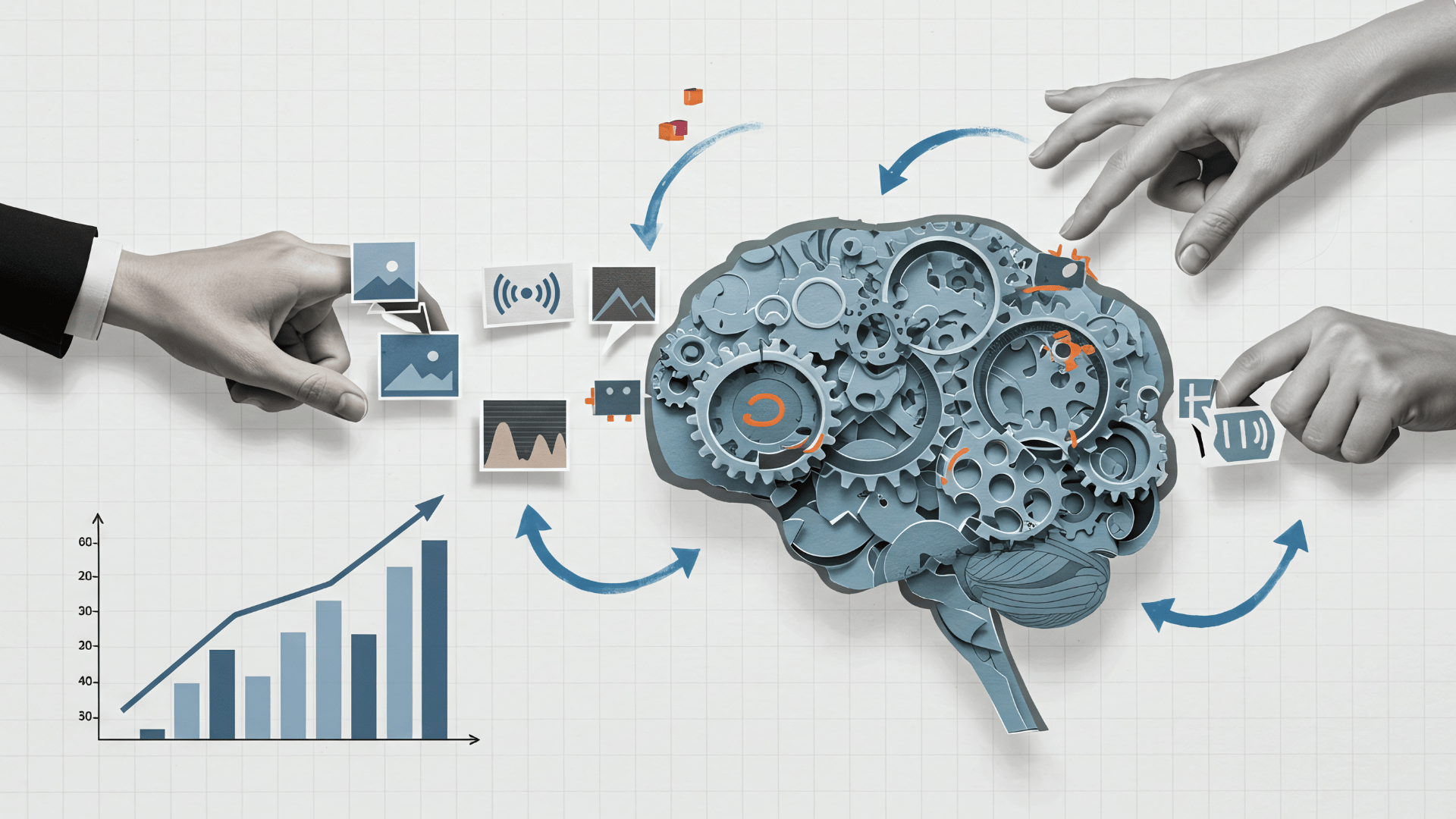
I often hear colleagues state that data analytics is control testing, but they are distinct activities. Data analysis examines transactions to find anomalies, while internal audit verifies the effectiveness of controls. Conflating these leads to inefficient work and inconclusive assurance.
Analytics can certainly strengthen audit procedures. It can also overcome issues with random sampling due to poor representation. That is why consultants recommend AI-driven analysis of full datasets (for a significant fee, of course), yet many projects struggle because they overlook organizational complexity and fail to target the control system itself.
The Transaction Trap
This approach mirrors external auditing, reviewing transactions for errors without assessing whether controls are effective. The result is a flood of false positives that consume time and budget. Even after triage, root causes remain unclear, so manual document checks are still necessary. The process is labor-intensive with uncertain outcomes.
Chasing anomalies without testing the process design leaves a gap: you learn what went wrong but not why it was possible. Assurance requires evidence that controls prevent, detect, and correct errors by design and in operation.
The Smarter Way: Simulation Testing
There is a more effective and cheaper way to test controls: simulation testing. Create a test transaction, such as a fake invoice and run it through the entire payment process. This method quickly and clearly shows whether the process and its controls function correctly or not.
Simulation focuses directly on the system of controls, not just searching for incorrect data. It reveals whether approvals trigger, whether exception thresholds work, and whether segregation of duties blocks inappropriate activity.
In a short cycle, you obtain observable evidence of control design and operating effectiveness.
Design Evidence, Not Exhaustion
It is time to move past outdated methods and beliefs. Use analytics to aim, not to replace control testing. Then prove effectiveness with targeted simulations that mirror real activity end-to-end.
This combination reduces noise, accelerates learning, and delivers assurance that leadership can act on, evidence that the control system works.