
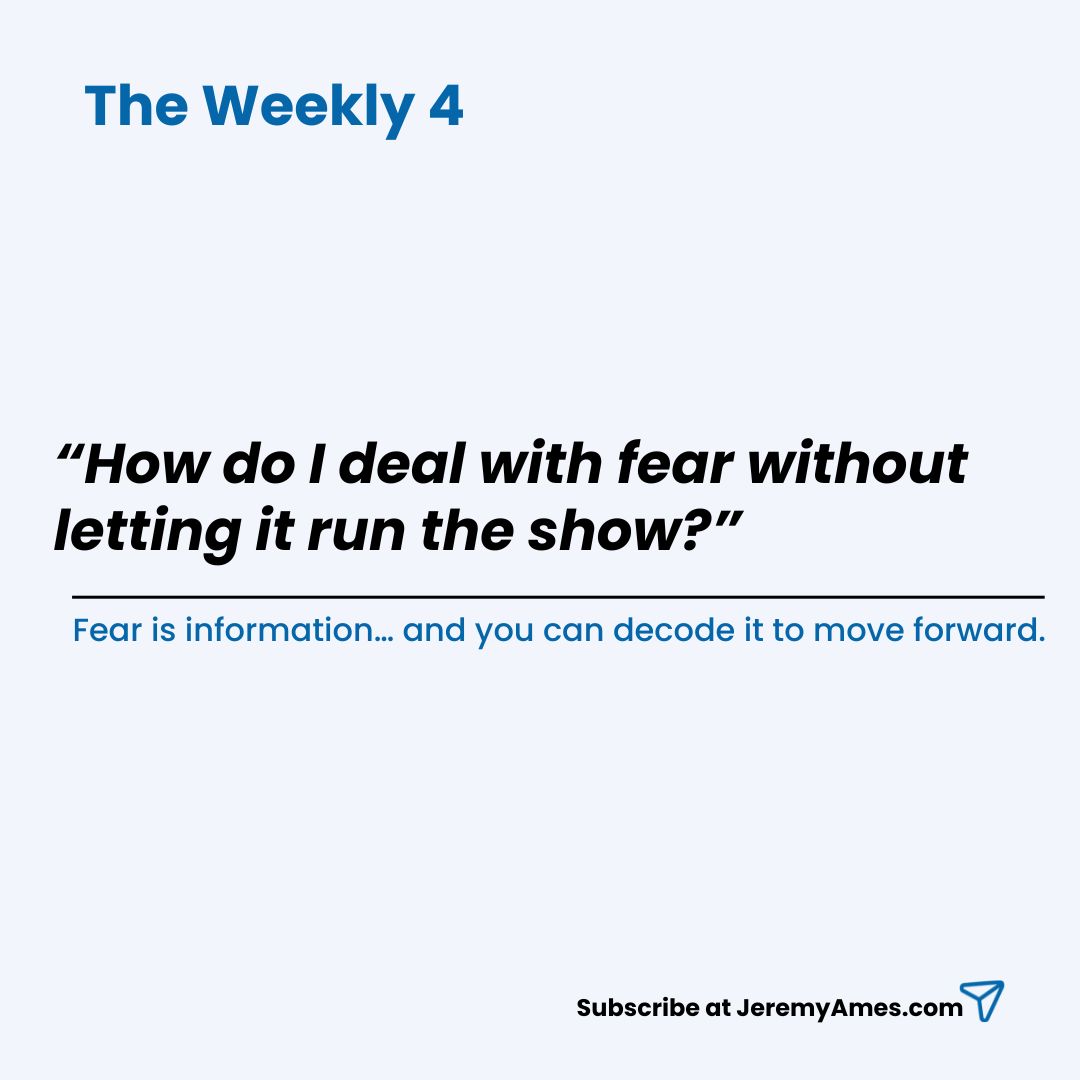
Fear has an uncanny ability to surface precisely at the cusp of significant beginnings. It’s a familiar companion for many, particularly entrepreneurs navigating the often-turbulent landscape of business growth and personal development. But what if the conventional wisdom of ignoring fear or simply pushing through it is fundamentally flawed?
This article delves into a personal journey of understanding and decoding fear, offering a fresh perspective for those who have felt its paralyzing grip. Rather than a sign to stop, fear can be a signal to understand, a complex emotion that, when decoded, can unlock new pathways to progress.
The Limitations of Conventional Fear Management
Many are taught to view fear as an adversary – something to be conquered, suppressed, or bypassed. This approach, while seemingly proactive, often leads to burnout and missed opportunities. Pushing through fear without understanding its roots can be akin to navigating a minefield blindfolded. The energy expended in this constant battle can be redirected if we learn to interpret the signals fear is sending.
Decoding the Signals: A New Framework
The key lies in shifting our perspective. Instead of asking ‘How do I get rid of this fear?’, the more productive question becomes ‘What is this fear trying to tell me?’. This involves a process of introspection and analysis, akin to a detective examining clues.
Identifying the Source
Fear often stems from perceived threats, uncertainties, or potential failures. Understanding the specific nature of the threat – whether it’s financial risk, reputational damage, or the fear of the unknown – is the first step. This requires honest self-assessment and a willingness to confront uncomfortable truths.
Interpreting the Message
Once the source is identified, the next step is to interpret the underlying message. Is the fear a warning about a genuine, unmitigated risk? Or is it an amplified echo of past experiences, self-doubt, or imposter syndrome? Recognizing the difference is crucial for formulating an appropriate response.
Responding Strategically
A decoded fear allows for a strategic response. If the fear highlights a legitimate risk, it prompts proactive planning and mitigation. For instance, fear of a product launch failing might lead to more rigorous testing and a phased rollout. If the fear is rooted in self-doubt, it might signal a need for further skill development, seeking mentorship, or building confidence through small, achievable wins.
Fear as a Catalyst for Growth
Ultimately, learning to decode fear transforms it from an obstacle into a powerful catalyst for growth. It encourages a more mindful and intentional approach to decision-making, fostering resilience and adaptability. By understanding what lies beneath the surface of our anxieties, we can harness that energy to prepare more effectively, innovate boldly, and ultimately, achieve greater success.
This approach is particularly relevant in midlife, where significant career shifts or entrepreneurial ventures often coincide with heightened self-awareness and a desire for meaningful impact. By embracing this decoded perspective on fear, individuals can navigate these pivotal moments with greater clarity and confidence.
This article is inspired by the insights shared by Jeremy Ames.
📝 About This Content
This article is based on insights shared by Jeremy Ames on LinkedIn.
📅 Originally posted on October 22, 2025 | View original post on LinkedIn →