
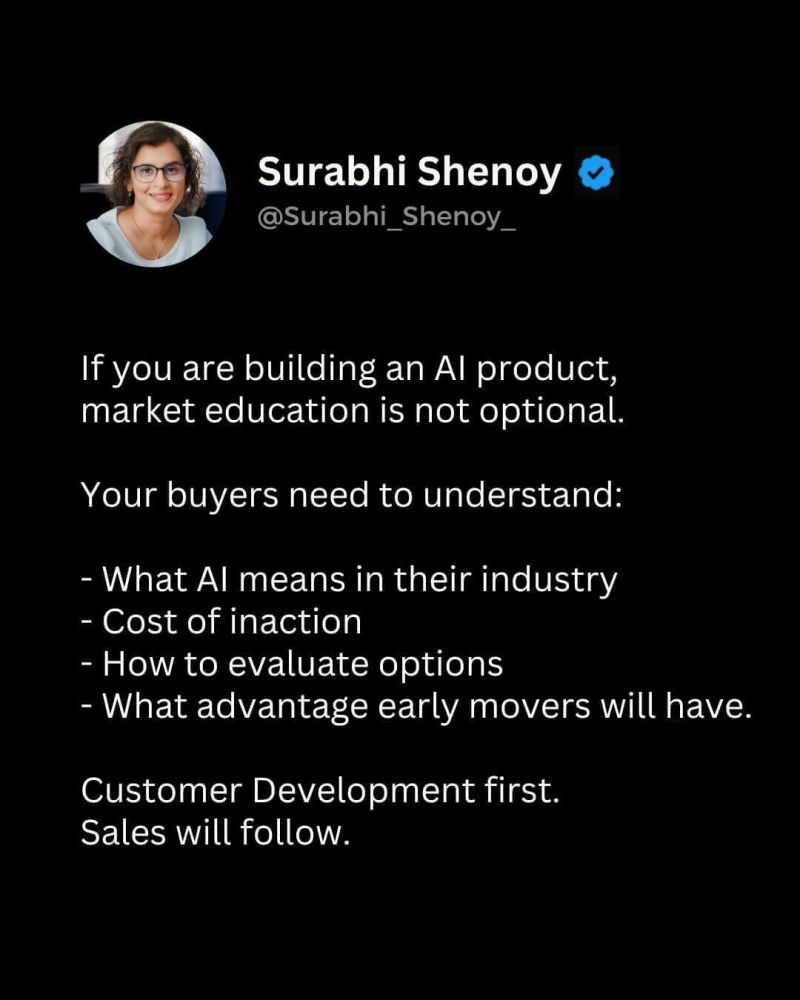
In a recent LinkedIn post, Surabhishenoy discusses a fundamental shift in early-stage business strategy, advocating for market education and customer development over immediate lead chasing. Surabhishenoy draws a historical parallel to the birth of the running movement to illustrate a core principle: creating the demand before the product is the key to sustainable growth.
The Running Movement as a Precedent
Surabhishenoy begins by referencing the 1960s, a time when running was not a mainstream activity. The author highlights how Bill Bowerman, co-founder of Nike, published a book titled ‘Jogging’ which became a bestseller, selling over a million copies and effectively transforming running into a fitness phenomenon. This strategic move, as Surabhishenoy points out, prioritized creating the ‘reason to buy’ the shoes before the shoes themselves were the primary focus.
“They didn’t sell shoes first. They created the reason to buy them. Demand was created through market education.”
This historical anecdote serves as the foundation for Surabhishenoy’s central argument about early-stage sales and marketing. According to Surabhishenoy, this approach of building demand first is a crucial lesson for founders.
Rethinking the Founder’s Sales Approach
Surabhishenoy contrasts this with a common, often less effective, strategy employed by new companies. Many founders, as Surabhishenoy observes, tend to prioritize immediate sales activities such as chasing leads, booking meetings, and aggressive pitching.
However, Surabhishenoy argues that this approach can be counterproductive because the target audience may not yet recognize the problem the product or service aims to solve. The author states:
“But your buyer may not even see the problem yet. They’re feeling the pain. They haven’t named it yet.”
Surabhishenoy emphasizes that the critical role of a founder or business before the selling phase is to help potential customers identify and articulate their pain points. The goal is to make them realize that the issues they are experiencing are not insurmountable.
Personal Experience and a New Strategy
Reflecting on past experiences, Surabhishenoy shares that this mistake of prioritizing sales over education was made twice while building previous companies, leading to difficulties in closing deals. This personal insight has informed a different approach when acting as a coach to founders.
In the current role, Surabhishenoy explains the focus is on educating founders about a more efficient path to becoming a sharper CEO. This foundational education, according to Surabhishenoy, cultivates awareness among potential clients, leading to a more organic and less resistant sales process.
“Now, the best clients come through their awareness. I don’t have to convince them.”
Surabhishenoy posits that a ‘forced’ pipeline often stems from neglecting this crucial pre-selling educational phase. The author advocates for developing the customer’s understanding and need before attempting to sell to them.
The Importance of Customer Development
Surabhishenoy’s post strongly suggests establishing a ‘Customer Development’ function, distinct from traditional ‘Business Development.’ This function would be dedicated to nurturing market understanding and creating a receptive audience for future offerings.
The core message, as Surabhishenoy concludes, is that by developing the customer’s awareness and understanding of their own problems and potential solutions, businesses can create a more fertile ground for sales. This proactive approach ensures that when a product or service is offered, the market is not only ready but actively seeking it, transforming sales from a struggle into a natural progression of created demand.
📝 About This Content
This article is based on insights shared by Surabhishenoy on LinkedIn.
📅 Originally posted on May 27, 2026 | View original post on LinkedIn →