
In a recent LinkedIn post, Melissa Perri, author of “Escaping the Build Trap,” discusses a common challenge faced by product leaders: the bottleneck in customer research. Perri argues that the solution lies not in hiring more researchers, but in empowering more team members to conduct research effectively.
Perri highlights the frustration many product teams experience when they are unable to access timely customer insights. “We want to do more research, but the research team is at capacity,” is a complaint she frequently hears. This often leads to delays or, worse, product decisions made on assumptions rather than data.
“The bottleneck is real, but the answer isn’t hiring more researchers. It’s changing who is allowed to do research and under what conditions.”
Rethinking Research Capacity
Melissa Perri advocates for a shift in how product research is approached, emphasizing the need to democratize access to customer insights. She points out that the traditional model, where only dedicated researchers engage with customers, is unsustainable for many organizations dealing with numerous product development squads.
The Fidelity Case Study: A Model for Self-Service
To illustrate her point, Perri shares an example from Fidelity. Faced with a high ratio of product teams to researchers, the company’s Research Operations team developed a system enabling product squads to conduct their own research. This system included a large database of willing users, a shared research repository, and practical playbooks designed for non-researchers.
“That’s what democratizing research actually looks like. Not lowering the bar. Giving more people access to the bar with the right scaffolding around them.”
According to Melissa Perri, this approach allows researchers to focus on more strategic, in-depth work, such as generative studies and defining long-term product direction. Meanwhile, product managers can address more tactical questions—like usability issues or preference testing—using standardized templates and participant pools.
The Role of Product Operations
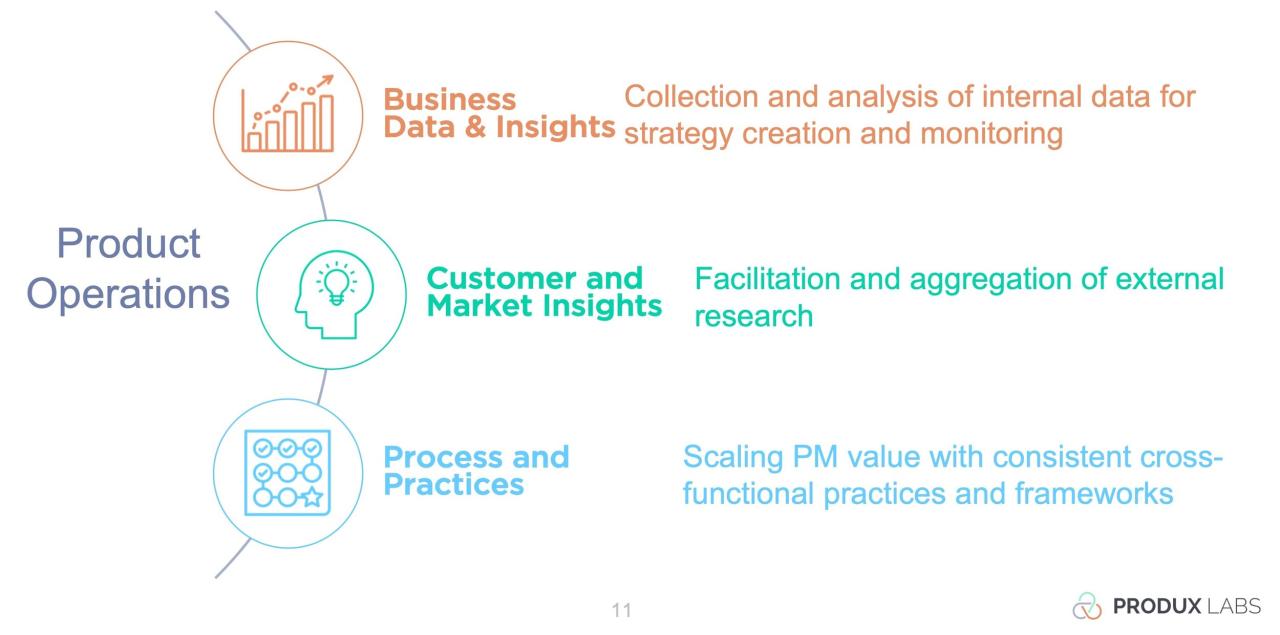
Perri emphasizes that enabling this democratization of research is a key responsibility of Product Operations. This function, she explains, provides the necessary infrastructure and processes to support teams in conducting quality research independently.
“Researchers should spend their time on deep, strategic work: generative studies, foundational personas, the questions that shape product direction for the next year.”
In her post, Perri notes that Part III of her book, “Product Operations,” delves into this topic, offering a detailed look at the Fidelity case study and a framework for implementing similar research systems. She also promotes an upcoming online workshop on Product Operations, co-led by her co-author Denise Tilles, aimed at equipping professionals with the skills to build such systems.
Melissa Perri concludes by prompting readers to consider their own organizations’ research capacity, asking, “How many customer conversations is your team not having right now because the research queue is full?” This question underscores the urgency and importance of adopting more scalable approaches to understanding customer needs.
📝 About This Content
This article is based on insights shared by Melissa Perri on LinkedIn.
📅 Originally posted on April 19, 2026 | View original post on LinkedIn →