
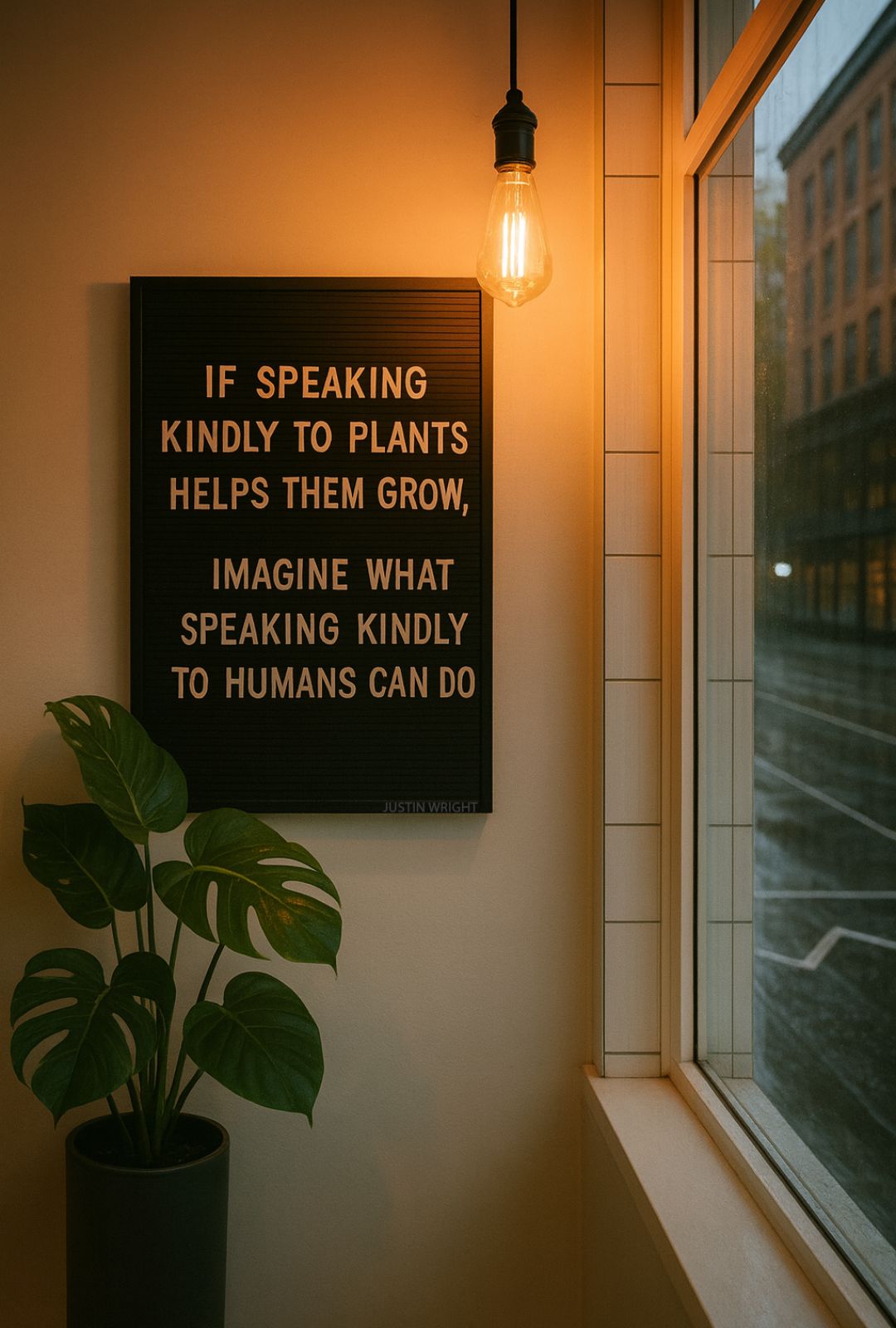
In a recent LinkedIn post, Justin Wright explores the language that fosters a truly kind and supportive workplace culture. Wright emphasizes that the words leaders and colleagues use have a profound impact on employee engagement, retention, and overall team strength.
Wright begins by highlighting eight specific phrases that, in his view, are hallmarks of a positive work environment. He introduces the concept by stating:
“How are you really doing?”
And they actually want to know.
This opening phrase, Wright suggests, sets the tone for genuine care and connection, indicating a willingness to listen beyond superficial pleasantries. He argues that such simple questions, when asked with sincerity, can make employees feel seen and valued as individuals, not just as cogs in a machine.
The Power of Validation and Support
Further expanding on the phrases that build trust, Wright points to expressions of validation and support. He notes the importance of acknowledging effort, not just outcomes.
“I noticed your hard work.”
Your effort matters, not just results.
According to Wright, this type of recognition is crucial because it validates the dedication and energy an employee invests, even if the immediate results aren’t perfect. This contrasts with environments that solely focus on deliverables, potentially discouraging those who are working diligently but facing challenges.
Wright also underscores the significance of offering assistance and demonstrating solidarity. He lists:
“Let me help you with that.”
Without you having to ask.
and
“We’ll figure it out together.”
No blame. Just solutions.
These phrases, as Wright explains, cultivate a collaborative spirit and reduce the fear of failure. They signal that colleagues and leaders are partners in overcoming obstacles, fostering an atmosphere where problems are addressed collectively rather than being sources of individual blame.
Kindness as a Strategic Advantage
The core of Wright’s message is that kindness in the workplace is not a sign of weakness, but a strategic imperative. He contends that these seemingly small linguistic choices contribute to a culture where employees are motivated to perform at their best.
“Kindness isn’t soft,” Wright asserts. He elaborates on its tangible benefits, stating:
It’s what makes people stay
It’s what makes teams strong
It’s what makes work worth it
In Wright’s analysis, these phrases and the underlying sentiment of kindness are directly linked to increased employee loyalty, enhanced team cohesion, and a more fulfilling work experience. He concludes his post by emphasizing the power of words, urging readers to be mindful of their own communication.
“Words matter,” Wright writes. “They either build people up or tear them down. Choose wisely.” His post serves as a compelling reminder for business leaders and employees alike to cultivate communication habits that foster a more positive and productive work environment.
📝 About This Content
This article is based on insights shared by Justin Wright on LinkedIn.
📅 Originally posted on November 21, 2025 | View original post on LinkedIn →