
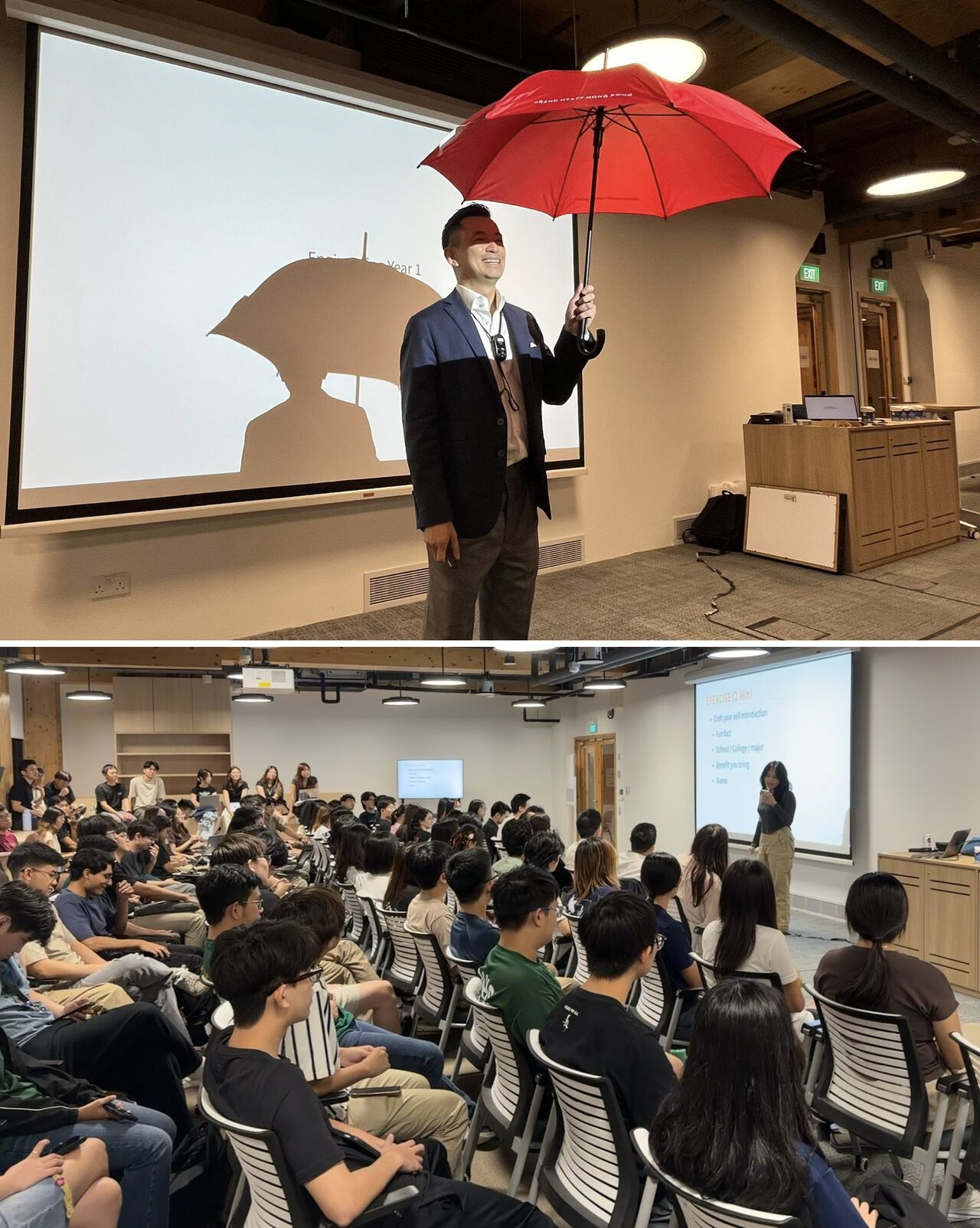
In a recent LinkedIn post, Eric Sim explores a unique pedagogical approach he terms ‘touching the artwork’ to foster deeper learning and stronger memory retention among students. Sim, an advocate for active engagement, draws parallels between interacting with fine art and participating in educational workshops.
The concept was inspired by Sim’s own experience as an engineering student taking an elective ‘Introduction to Art’ course. He recounts how his lecturer, renowned art critic Mr. T.K. Sabapathy, encouraged students to physically interact with artworks.
“Touching an artwork creates a connection with the artist, forms stronger memories, and deepens our understanding of the work,”
Sim shared, quoting his lecturer. This tactile experience, he suggests, moves beyond passive observation to create a more profound connection with the subject matter.
The ‘Super Individuals’ Workshop Analogy
Sim recently applied this philosophy during a workshop on “Super Individuals” at Nanyang Technological University Singapore. He presented students with a choice: engage passively or actively ‘touch the artwork’ to personalize their learning experience.
“You can listen passively, or you can touch the artwork to personalise your experience and deepen your learning,” Sim told the students. He clarified that in the context of his workshop, ‘touching the artwork’ did not involve physical contact with him but rather interacting with props, posing questions, or stepping up to share their thoughts with the audience.
Encouraging Active Participation
Despite the inherent nervousness associated with speaking in front of peers, Sim was encouraged by the number of students who embraced the active learning approach. He observed many students taking the initiative to come forward and share, demonstrating a willingness to move beyond passive listening.
“In my class, touching the artwork does not mean touching me. It means touching the props I bring, asking questions or coming to the front of the class to share.”
Sim explained. This active engagement, he posits, is key to transforming a learning session from a mere information transfer into a memorable and impactful experience.
Lasting Engagement Beyond the Classroom
The impact of this active learning strategy was evident as many students chose to stay beyond the scheduled end time of the workshop. According to Sim, these students continued to ‘touch the artwork,’ networking among themselves, taking photos, and posing further questions.
“I was very pleased to see students staying behind after 9pm to continue ‘touching the artwork’. They networked, took photos, and asked more questions.”
Sim reported. This post-workshop engagement highlights how active learning can foster a lasting curiosity and a desire for continued exploration.
The Core of Deep Learning
Sim concludes by posing a fundamental question to his audience: “When you learn, how do you deepen your understanding and strengthen your memories?” This rhetorical question prompts readers to reflect on their own learning habits and consider the effectiveness of active versus passive engagement. By advocating for methods that encourage personal connection and interaction, Eric Sim provides a compelling framework for educators and learners alike to enhance the learning process and ensure knowledge retention.
📝 About This Content
This article is based on insights shared by Eric Sim on LinkedIn.
📅 Originally posted on February 12, 2026 | View original post on LinkedIn →