
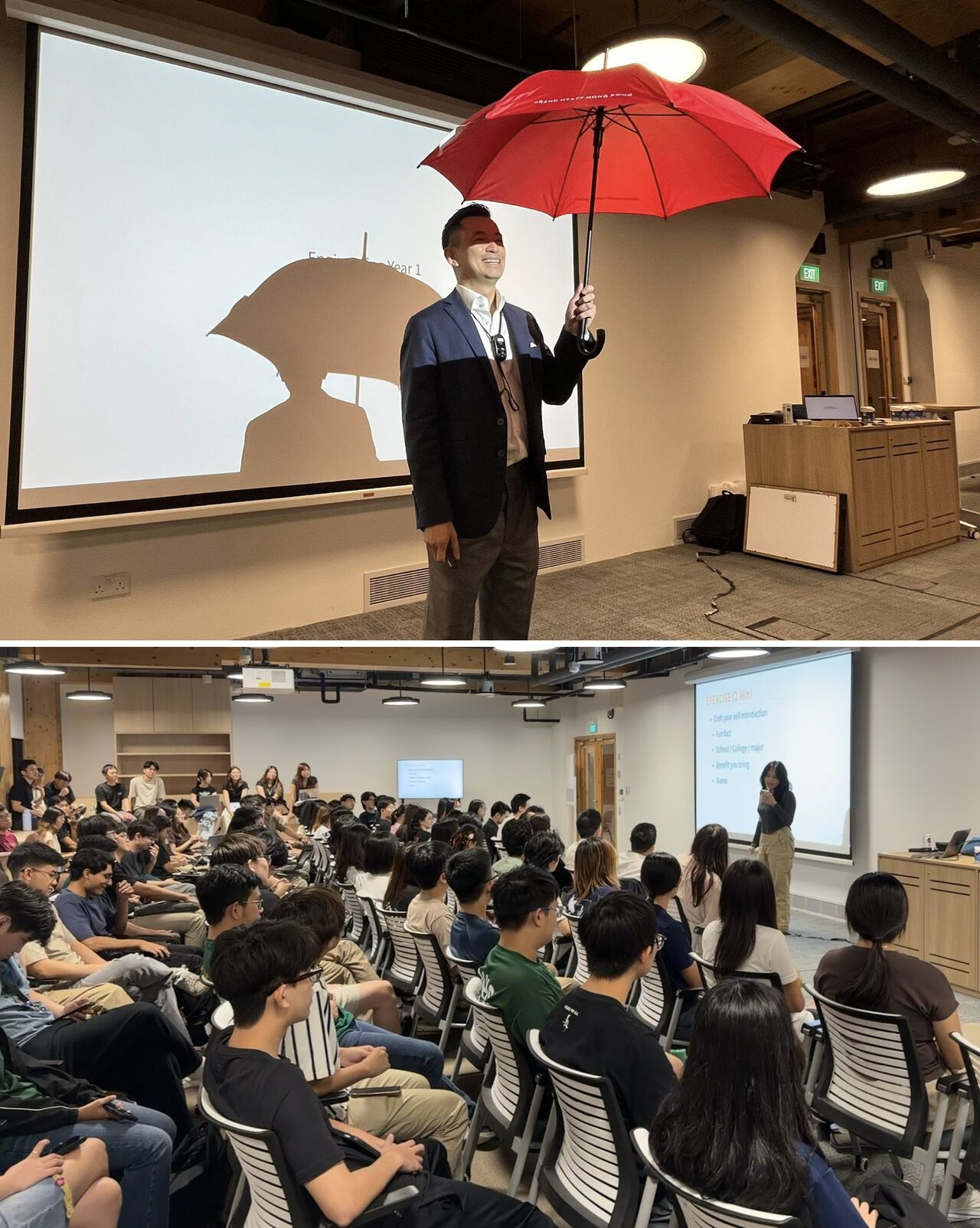
In a recent LinkedIn post, Eric Sim explores a unique approach to learning and engagement, drawing parallels between art appreciation and professional development. Sim, a proponent of active learning, shares his personal journey and a pedagogical technique he calls ‘touching the artwork’ to foster deeper understanding and stronger memory retention among students.
The concept stems from Sim’s experience as an engineering student who felt a lack of creative outlets. To cultivate this side of himself, he enrolled in an ‘Introduction to Art’ elective. It was there, under the guidance of renowned art critic Mr. T.K. Sabapathy, that he learned the value of physical interaction with art.
“Touching an artwork creates a connection with the artist, forms stronger memories, and deepens our understanding of the work,”
Sim quotes from his art history class, highlighting the profound impact this advice had on his own learning process.
The ‘Touching the Artwork’ Metaphor for Active Learning
Sim recently applied this philosophy in a workshop titled “Super Individuals” at Nanyang Technological University Singapore. He presented students with a choice: passively listen or actively engage by metaphorically “touching the artwork.” This engagement, as Sim clarifies, doesn’t involve literal touching of his person but rather interacting with props, posing questions, or stepping up to share their thoughts in front of their peers.
He emphasized the courage it takes for students to participate actively. “Speaking in front of 100 peers is nerve-wracking. Despite that, quite a few students took the courage and stepped forward,” Sim observed, clearly pleased with the students’ willingness to step out of their comfort zones.
Fostering Deeper Connection and Lasting Memory
The impact of this active approach was evident when students voluntarily stayed past 9 pm to continue their engagement. Sim noted this extended interaction as a sign of genuine investment in the learning process.
“I was very pleased to see students staying behind after 9pm to continue ‘touching the artwork’. They networked, took photos, and asked more questions.”
This post-workshop dedication underscores Sim’s point that active participation leads to a more profound and memorable learning experience. He contrasts this with passive listening, suggesting that true learning involves a personal connection and active contribution.
Applying the Principle Beyond the Classroom
Sim concludes by posing a critical question to his audience: “When you learn, how do you deepen your understanding and strengthen your memories?” This invites reflection on how individuals can adopt a more engaged approach in their own professional and personal development. The core idea is that by actively ‘touching’ the subject matter—whether through asking questions, applying concepts, or sharing insights—learners can forge a stronger connection and retain knowledge more effectively than through passive observation.
Sim’s analogy, born from a fine art class, offers a powerful framework for educators and professionals alike to encourage more dynamic and impactful learning experiences, transforming passive reception into active, memorable engagement.
📝 About This Content
This article is based on insights shared by Eric Sim on LinkedIn.
📅 Originally posted on February 12, 2026 | View original post on LinkedIn →