
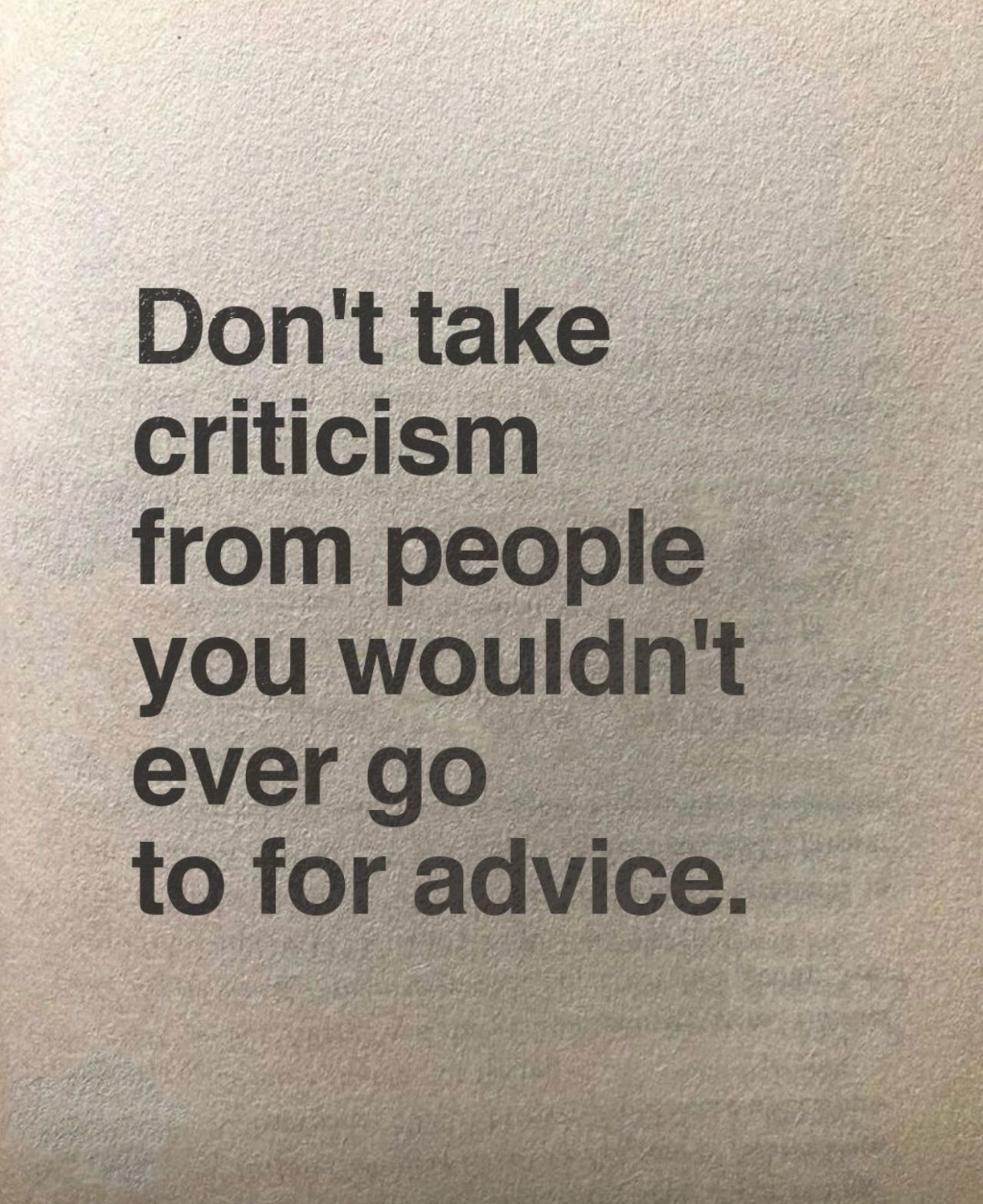
In a recent LinkedIn post, Noemi Kis✨ offers a sharp perspective on the nature of criticism and advice, urging individuals to carefully consider the source before internalizing feedback. The post, which has garnered significant attention, delves into the common phenomenon where the loudest critics are often the least qualified to offer guidance.
Noemi Kis✨ begins by drawing a distinction between those who caution against risk and those who encourage calculated steps towards growth. She highlights a pattern observed in individuals who discourage others from taking chances, describing them as people who:
“Haven’t taken a risk in 10 years
Complain about their job daily
Dream but never execute”
This observation sets the stage for an analysis of how personal limitations can be misconstrued as wisdom by those who have settled for mediocrity. According to Noemi Kis✨, these individuals often mistake their own unfulfilled potential for sound advice.
The Difference Between Encouragement and Discouragement
The core of Noemi Kis✨’s argument lies in differentiating the advice given by successful individuals versus those who are not. She posits that successful people tend to encourage smart risks, understanding the role of calculated chances in achieving goals. Conversely, unsuccessful individuals are more prone to warning about every potential pitfall.
“Unsuccessful people warn you about every possible failure,” Noemi Kis✨ writes. This contrast is central to her advice on how to navigate the often-conflicting streams of feedback one receives.
Strategies for Filtering Feedback
To combat the negative influence of unqualified criticism, Noemi Kis✨ proposes a simple yet powerful filtering mechanism: “Would I trade places with this person?” If the answer is no, she suggests, then the criticism is likely just “noise.” This personal audit is the first step in protecting oneself from detrimental advice.
Actionable Steps for Protection
Noemi Kis✨ outlines four key steps to effectively protect oneself from bad advice:
- Audit who you listen to: The principle here is straightforward – only take advice from individuals who are living the life you aspire to.
- Limit exposure: This involves consciously avoiding seeking input from people whose opinions are not necessary or beneficial to your situation.
- Build an inner circle: Surround yourself with a core group of individuals who are doers, not just talkers.
- Train your filter: Before questioning your own decisions or capabilities, learn to question the source of the advice.
As Noemi Kis✨ concludes, the individuals most qualified to offer criticism are typically too engrossed in their own success to engage in tearing others down. This perspective encourages a proactive approach to self-development and a discerning attitude towards external validation.
📝 About This Content
This article is based on insights shared by Noemi Kis✨ on LinkedIn.
📅 Originally posted on March 15, 2026 | View original post on LinkedIn →