
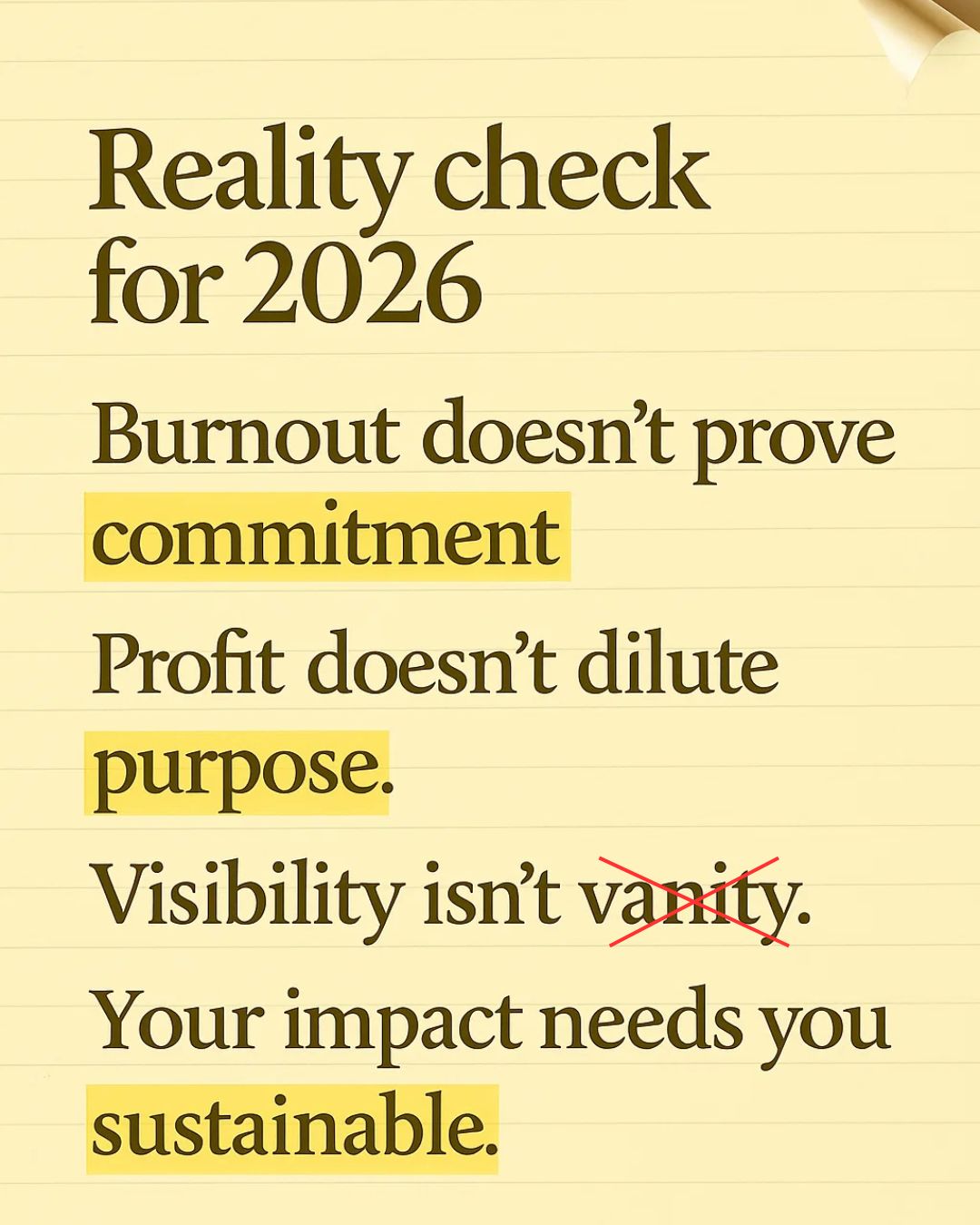
In a recent LinkedIn post, Dan Sherrard-Smith discusses common misconceptions that can lead to burnout among founders focused on making a positive impact. He highlights five prevalent myths that, if believed, can hinder both personal sustainability and the effectiveness of their ventures.
Sherrard-Smith begins by framing the issue, noting that many brilliant founders experience burnout not due to a weak mission, but because of deeply ingrained, often subconscious, beliefs. He states:
“I see brilliant founders burn out every month. Not because their mission isn’t strong. Because they, consciously or subconsciously… Believe these lies:”
Debunking the Burnout Myth
One of the primary myths Sherrard-Smith addresses is the notion that long working hours equate to significant impact. He challenges this perspective, arguing that true impact stems from sustainable practices rather than sheer endurance.
According to Sherrard-Smith, the reality is that “Real impact means sustainable systems, not burnout.” He elaborates that founders often mistake constant, grueling work for dedication, when in fact, it can be counterproductive. The focus, he suggests, should be on building systems that allow for efficiency and longevity.
Rethinking Profit and Purpose
Another critical myth Sherrard-Smith tackles is the idea that profit is antithetical to purpose. This belief can lead founders to de-prioritize financial health, ultimately jeopardizing their mission.
Sherrard-Smith counters this by asserting,
“Profit funds your purpose. Without it, you’re done.”
He emphasizes that financial viability is not a compromise of purpose but a prerequisite for its sustained execution. Without profit, an organization cannot continue to operate or scale its impact.
The Power of Focus Over Ubiquity
The post also confronts the misconception that widespread presence is necessary for growth. Sherrard-Smith argues for a more strategic approach to market engagement.
He points out that “You need to master ONE channel deeply.” This focus, he explains, allows for more effective resource allocation and a stronger connection with the target audience, rather than spreading efforts too thinly across multiple platforms with diminishing returns.
Strategic ‘No’ vs. Commitment
Sherrard-Smith challenges the conventional wisdom that saying “yes” to every opportunity demonstrates commitment. He posits that this approach can be detrimental to core objectives.
In his view,
“Saying yes to everything means no to what matters.”
This highlights the importance of strategic boundary-setting, enabling founders to dedicate their limited resources to the most crucial aspects of their venture.
Struggle as a Strategy
Finally, Sherrard-Smith addresses the myth that struggle itself is an indicator of seriousness or commitment. He differentiates between unproductive struggle and strategic problem-solving.
He clarifies that “Struggle without strategy is just chaos.” This distinction is vital for founders to understand, encouraging them to analyze their challenges and develop targeted solutions rather than simply enduring hardship.
Protecting What Scales Impact
Sherrard-Smith concludes by urging impact founders to protect their time, energy, and focus. He advocates for building systems that attract leads, emphasizing that a few strategic hours per week can be more effective than scattered, prolonged effort. He also advises focusing on ideal clients who energize the founder and promotes the idea that visibility and a clear message are crucial for leverage. The ultimate goal, he suggests, is to remain sustainable rather than becoming a martyr to the cause.
He notes that founders who successfully scale are those who understand the power of saying “no” strategically. Sherrard-Smith invites discussion on goals for 2026, encouraging network support for shared objectives.
📝 About This Content
This article is based on insights shared by Dan Sherrard-Smith on LinkedIn.
📅 Originally posted on December 18, 2025 | View original post on LinkedIn →