
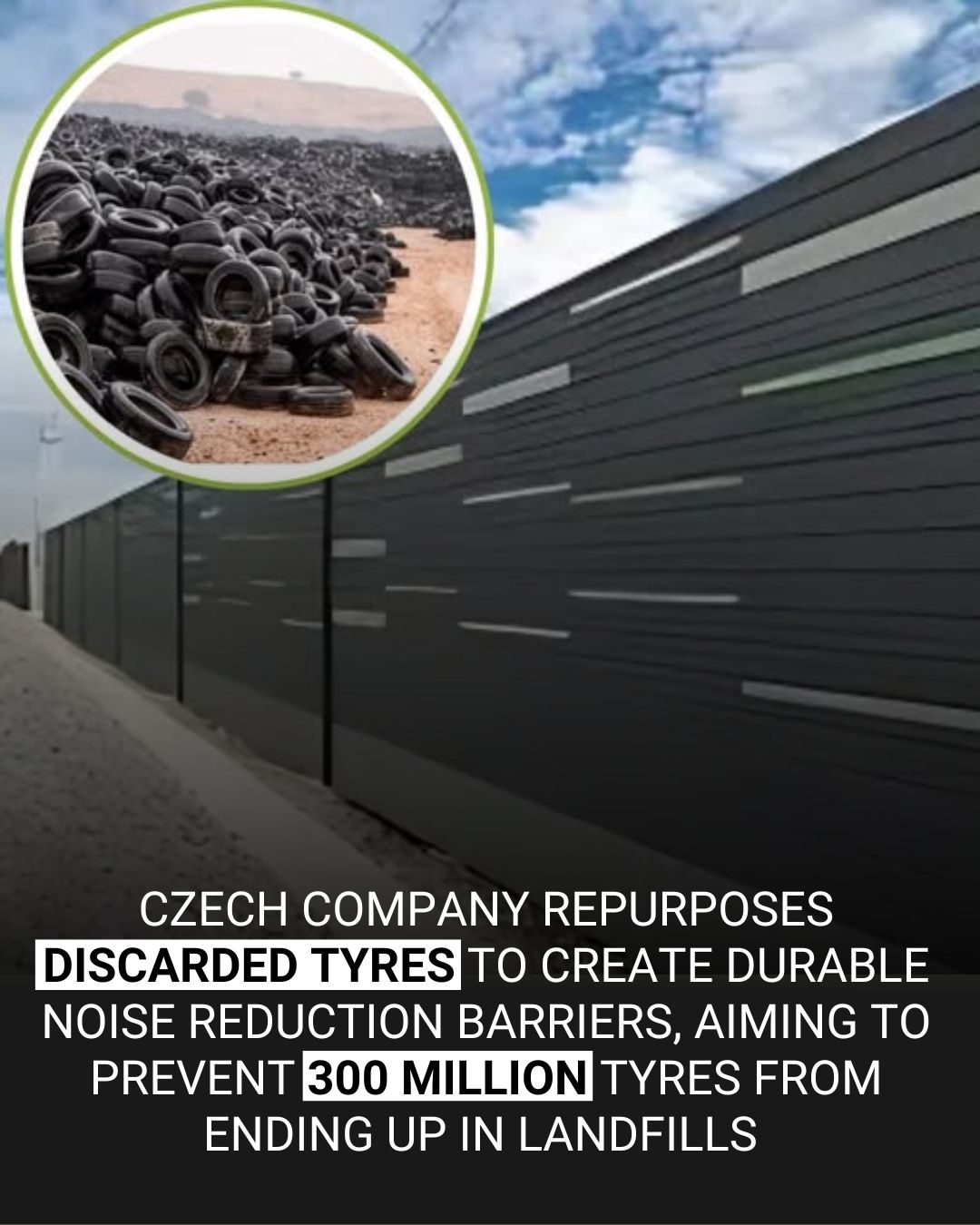
The sheer scale of waste generated globally is a pressing concern, and discarded tyres represent a significant environmental challenge. Annually, an estimated 300 million tyres are dumped worldwide, translating to a staggering 3.9 million tonnes in Europe alone. These tyres pose a multifaceted environmental threat: they do not decompose, leading to unsightly and hazardous landfill accumulation, becoming breeding grounds for disease-carrying insects, and contributing to fire risks due to trapped methane. Even when incinerated, they release toxic fumes that poison the air.
Recognizing the urgency, Europe implemented a ban on tyre landfills in 2003. However, this measure highlighted a critical question: what should be done with the millions of tyres that were already discarded or continued to be generated?
Mmcité+: Architects with a Vision for Waste Transformation
Enter Mmcité+, a group of Czech architects who have embraced this challenge with an ingenious solution they call “Noba.” Their innovative approach transforms discarded tyres into functional and aesthetically pleasing sound barriers, offering a sustainable alternative to traditional materials.
How Noba Works
The Noba system repurposes end-of-life tyres into effective sound barriers. The process is remarkably efficient:
- Approximately 4 car tyres are required to create 1 square metre of barrier.
- These tyre-based barriers demonstrate superior sound absorption capabilities compared to conventional concrete structures.
- They are strategically placed alongside railways and highways, significantly reducing urban noise pollution.
Beyond Functionality: Community Integration
What elevates the Noba project beyond a mere recycling initiative is its emphasis on community engagement and aesthetic integration. Mmcité+ empowers local residents to design the graphics that adorn the barriers. This participatory approach allows communities to freely express their creativity, resulting in barriers that not only serve a practical purpose but also blend seamlessly into the urban landscape, becoming a unique part of the neighbourhood’s identity.
The Multifaceted Benefits of Noba
The impact of the Noba project is far-reaching, offering a multitude of advantages:
- Environmental Protection: Millions of tyres are diverted from landfills, mitigating pollution and fire hazards. The production process is environmentally friendly, and the barriers boast a long lifespan with a low ecological footprint.
- Improved Urban Living: Noise pollution is dramatically reduced, leading to quieter and healthier living environments. This directly combats associated health issues linked to excessive urban noise.
- Sustainable Infrastructure: The barriers are designed for easy installation and maintenance, making them a practical and cost-effective solution for urban development.
- Aesthetic Enhancement: The community-designed graphics add visual appeal, transforming functional infrastructure into pieces of public art.
The Noba project by Mmcité+ serves as a powerful example of how innovative thinking and a commitment to sustainability can turn a significant waste problem into an urban asset. It prompts us to consider what other forms of
📝 About This Content
This article is based on insights shared by Dan Sherrard-Smith on LinkedIn.
📅 Originally posted on October 26, 2025 | View original post on LinkedIn →