
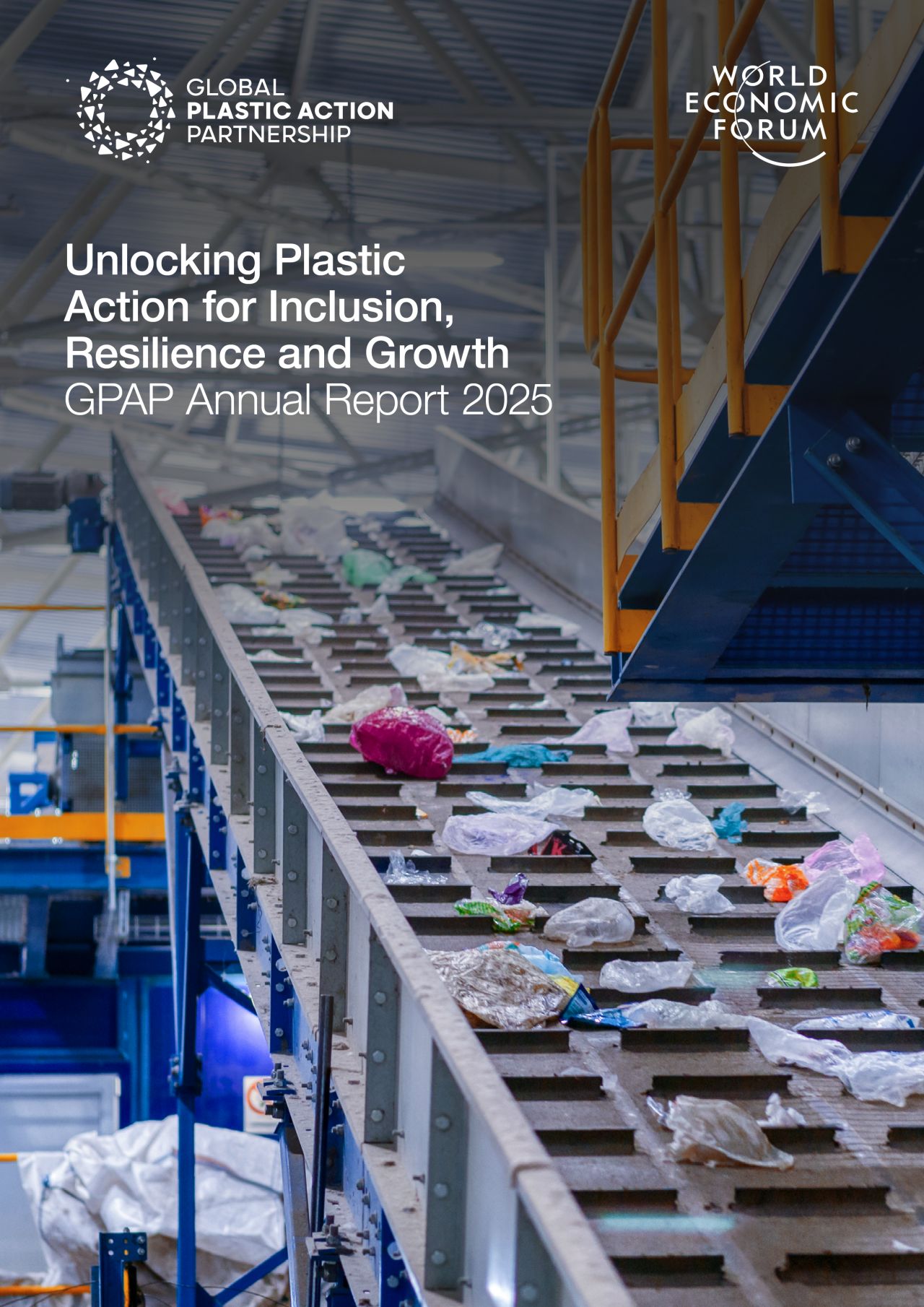
In a recent LinkedIn post, Nicki Allitt highlights a significant milestone achieved by the World Economic Forum’s Global Plastic Action Partnership (GPAP). Allitt’s post emphasizes the power of collaborative action, noting how countries, communities, and partners coming together can achieve remarkable feats.
Allitt shared the news that GPAP has reached a major moment, now supporting 1.5 billion people across Africa, Asia, and Latin America through 25 National Plastic Action Partnerships. This expansion makes GPAP the world’s largest initiative dedicated to tackling plastic pollution.
“Some milestones remind us what’s possible when countries, communities and partners choose to act together.”
GPAP’s Expanding Reach and Impact
The article, based on Allitt’s post, details key findings from the GPAP Annual Report. As Nicki Allitt points out, the report underscores the progress made in establishing evidence-based pathways towards circularity and the creation of green jobs. Seven new National Plastic Action Roadmaps have been introduced, offering practical guidance for countries aiming to reduce plastic waste and foster sustainable economies.
Commitment to Inclusive Action
A central theme in Allitt’s coverage of the GPAP update is the strong commitment to inclusivity. According to Nicki Allitt, the initiative prioritizes gender equity, youth leadership, and community innovation. This focus ensures that the fight against plastic pollution is not only effective but also equitable, empowering diverse groups to contribute and benefit from the transition to a circular economy.
“A strong commitment to inclusive action — from gender equity to youth leadership and community innovation.”
Broadening Scope: Finance and Biodiversity
Nicki Allitt further elaborated on the expanding workstreams within GPAP. The initiative is broadening its focus to include critical areas such as financing mechanisms, enhanced private-sector engagement, and the intersection between biodiversity and plastic pollution. This holistic approach, as highlighted by Allitt, is essential for addressing the multifaceted challenges of plastic waste on a global scale.
“Expanding work on financing, private-sector engagement and the biodiversity–plastic nexus.”
In Nicki Allitt’s view, these developments are a testament to the effectiveness of collective effort. The insights shared serve as a powerful reminder that substantial progress is achieved through a shared sense of purpose combined with practical tools that enable leaders to translate ambitious goals into concrete actions.
“These insights remind us that real progress grows from shared purpose and practical tools that help leaders move from ambition to action.”
The full report, which Allitt directs readers to explore, offers a comprehensive look at GPAP’s efforts and future directions in combating plastic pollution worldwide.
📝 About This Content
This article is based on insights shared by Nicki Allitt on LinkedIn.
📅 Originally posted on December 12, 2025 | View original post on LinkedIn →