
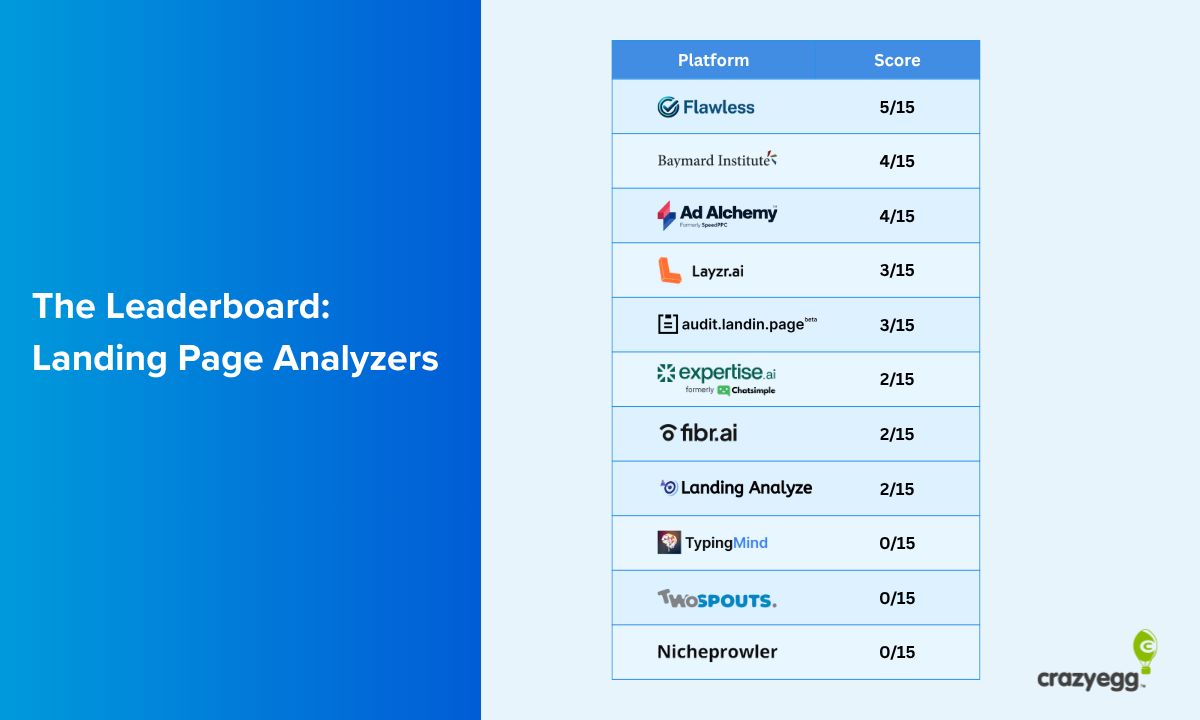
In a recent LinkedIn post, Hiten Shah discusses the current limitations of AI-powered tools when it comes to analyzing landing pages for Conversion Rate Optimization (CRO). While acknowledging the rapid advancements in AI vision technology, Shah highlights significant shortcomings observed during a recent test of various landing page analyzers.
Shah’s analysis points to critical failures in even basic comprehension by these tools. He notes that several platforms struggled with fundamental tasks, impacting their usefulness for CRO professionals.
“Several tools couldn’t identify the primary CTA. Others misread the headline entirely. A few told us to add sections that were already on the page.”
This observation leads Hiten Shah to argue that a flawed foundation in understanding a page’s core elements leads to unreliable recommendations. He emphasizes that the issue isn’t necessarily with the AI technology itself, but with the depth of understanding required for effective CRO analysis.
The Nuance of Landing Page Understanding
According to Hiten Shah, accurately assessing a landing page for optimization goes beyond simple visual detection. The tools tested, despite their AI capabilities, failed to grasp the context and purpose of the elements on the page.
“It’s not that the tools are broken. It’s that understanding a landing page requires more than detecting shapes on a screen.”
Shah’s findings suggest that while AI can process visual data, it currently lacks the nuanced comprehension needed to interpret the effectiveness of design, copy, and calls to action in a conversion-focused context. This gap can lead to wasted effort and misdirected optimization strategies.
Implications for Conversion Rate Optimization
Hiten Shah’s detailed test, which he linked in his post, aims to provide clarity on the strengths and weaknesses of current AI landing page analysis tools. He suggests that the insights are particularly valuable for teams considering integrating AI into their CRO workflows.
Calibrating Expectations with AI
As Hiten Shah points out, understanding where these tools falter is crucial for managing expectations and ensuring that AI is used effectively. The report aims to help businesses avoid common pitfalls.
“The full test shows exactly where these tools are strong, where they fall apart, and what needs to be solved next.”
By sharing these results, Shah intends to save businesses time and resources, guiding them toward a more realistic and productive application of AI in CRO. He concludes by recommending the read for those looking to leverage AI in this domain.
“If your team is considering using AI for Conversion Rate Optimization (CRO), this will save you time and help you calibrate your expectations.”
Ultimately, Hiten Shah’s post serves as a timely reminder that while AI technology is advancing, human expertise and nuanced understanding remain indispensable for complex tasks like conversion rate optimization.
📝 About This Content
This article is based on insights shared by Hiten Shah on LinkedIn.
📅 Originally posted on December 3, 2025 | View original post on LinkedIn →