
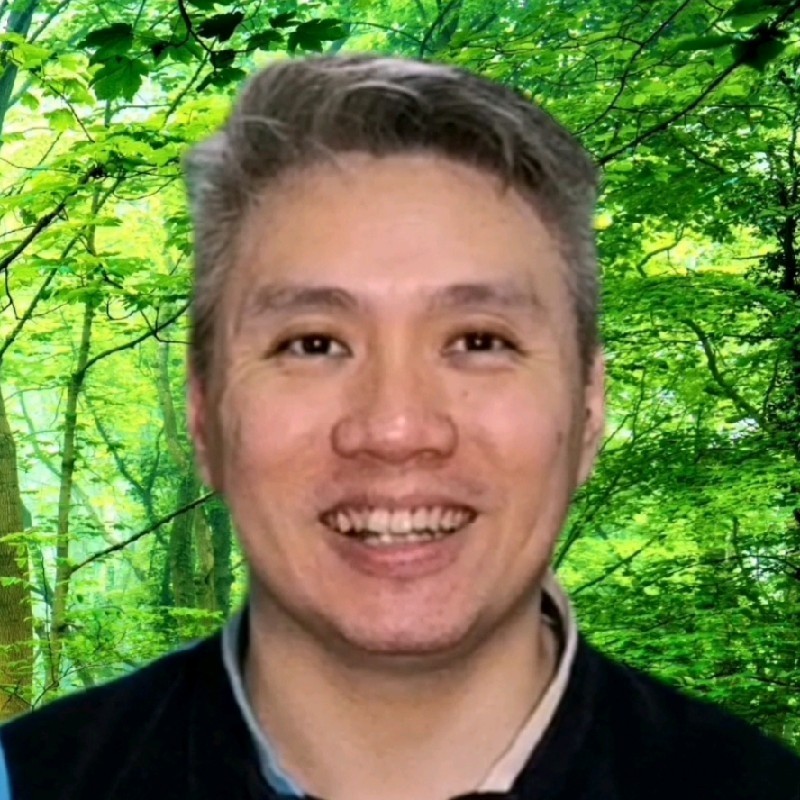
In a recent LinkedIn post, Choo Ann NGOH reflects on fate through a story about a colleague who believed a temple priest had predicted his death. The post recounts an unsettling encounter from 2001 and ends with a question about how much of life is shaped by personal choices.
“There are those who believe in fate
And there are those who don’t
Nothing wrong with either”
A prediction that unsettled a colleague
According to Choo Ann NGOH, the colleague was a 57-year-old retiree who excelled at handling difficult callers. One day before Deepavali, he came to the office on his day off, shook hands with everyone and said farewell. When asked why, he explained that a priest had told him he would not live past the year.
Choo Ann NGOH writes that the prediction shocked them enough to ask to meet the priest. The colleague drove them to the temple, but after going inside to check whether the priest was available, he returned and said the priest did not want to answer questions. The post leaves the exchange unexplained: Choo Ann NGOH says they had only asked to see the priest, not mentioned any questions.
“I guess some things should remain a mystery”
From destiny to personal responsibility
Choo Ann NGOH connects the memory to a collection of advertisements dated November 5, 2013, saying the word “destiny” brought the earlier episode back to mind. The post does not explain the ads’ content; instead, it uses that discovery as a prompt to revisit the question of fate.
The colleague’s later survival supplies the story’s unresolved turn. As Choo Ann NGOH puts it, “Just like it remains a mystery why my colleague remains alive.” The anecdote does not establish whether the priest’s prediction influenced the colleague’s actions, or why he believed it. Its effect is to place certainty and uncertainty side by side.
Choices as part of the outcome
Choo Ann NGOH’s own view allows room for both belief and doubt, while emphasizing individual agency. The post’s closing thought is that people’s decisions—and their failures to act—can shape what follows.
“I believe our actions, as well as inactions, will seal our fate lah”
Rather than offering a definitive account of fate, Choo Ann NGOH presents a personal memory and invites readers to consider their own beliefs. The closing question, “Do you believe in fate?”, leaves the discussion open, with the central tension between forces people cannot explain and consequences they may help create.
📝 About This Content
This article is based on insights shared by Choo Ann NGOH on LinkedIn.
📅 Originally posted on November 5, 2026 | View original post on LinkedIn →