
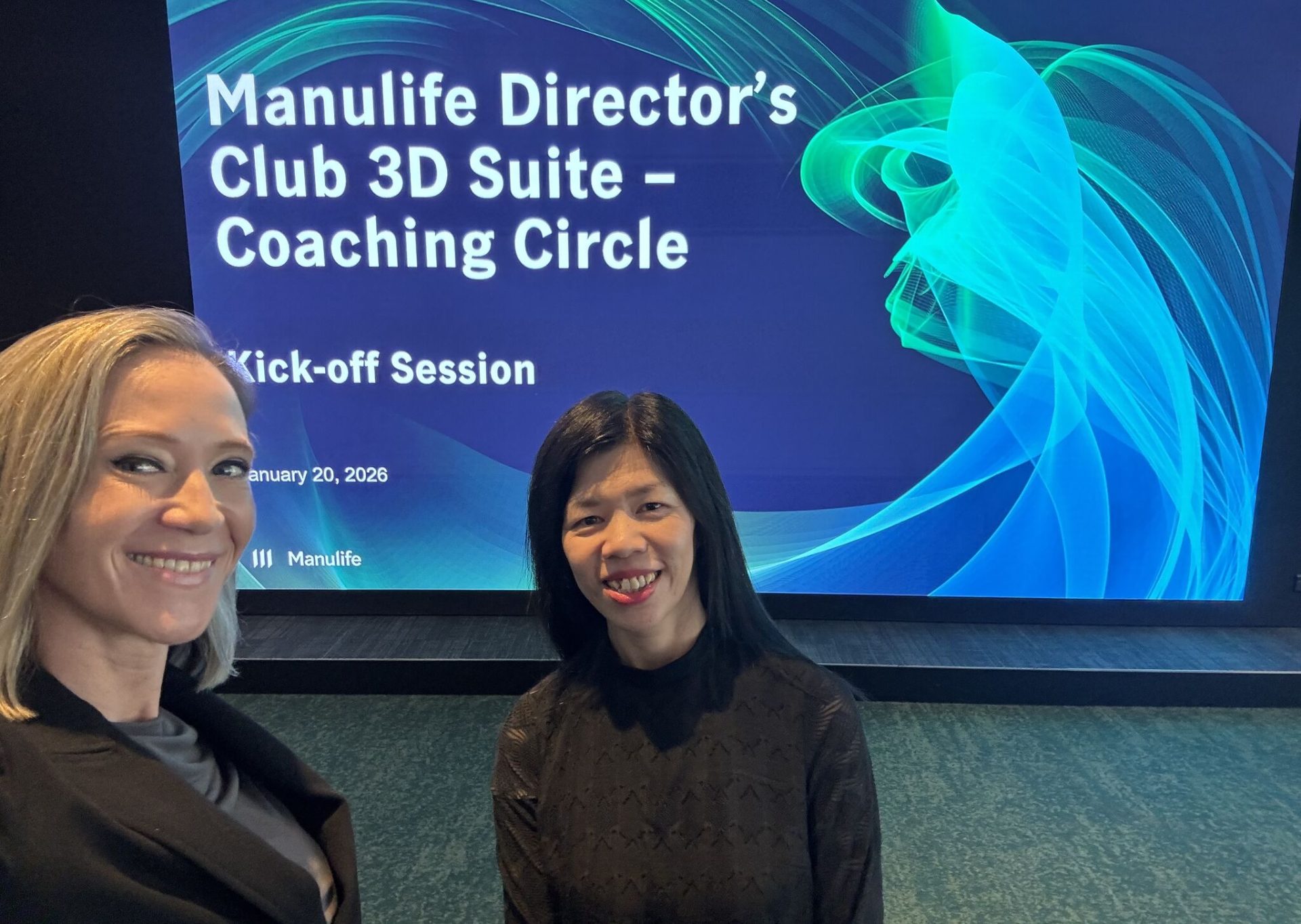
In a recent LinkedIn post, Liz Bradford discusses the power of “Coaching Circles” as a strategic approach to long-term leadership development within organizations. Bradford highlights her experience with Manulife in Hong Kong, where she assisted in launching this initiative as part of a six-month “3D training programme” aimed at transforming leadership practices.
Bradford emphasizes that this method moves beyond transient workshops, focusing instead on embedding coaching skills deeply within the organizational structure. She explains the core tenets that make this program effective:
“Real peer accountability – directors challenge and support each other through actual workplace scenarios”
This focus on peer-to-peer interaction, according to Bradford, is crucial for fostering genuine growth. It creates an environment where leaders can practice and refine their coaching abilities in real-time.
The Mechanics of Sustainable Leadership Growth
Bradford details how the “Coaching Circles” program operates, involving monthly meetings where directors engage in live coaching sessions with their teams. The subsequent debriefing sessions, where participants share successes and challenges, are integral to the learning process. She states:
“The 3D framework becomes muscle memory: Develop talent intentionally. Drive performance sustainably. Deliver results that last.”
This cyclical approach, as outlined by Bradford, ensures that learning is continuous and directly applicable to the workplace. It moves beyond theoretical knowledge to practical application, embedding the core principles into daily leadership actions.
Building Psychological Safety and Cultural Change
A key benefit of the “Coaching Circles,” as highlighted by Bradford, is the cultivation of psychological safety. This is achieved not through abstract frameworks, but through shared experiences and vulnerability among peers.
The Role of Vulnerability in Leadership Development
Bradford points out that this shared vulnerability is what builds trust and encourages open communication, which are essential for innovation and high performance. She argues:
“Psychological safety gets built through shared vulnerability, not theoretical frameworks”
This approach, in Bradford’s view, leads to a more profound and lasting transformation than traditional training methods. The program aims to create leaders who coach instinctively, fostering teams that feel secure enough to take risks and innovate.
Long-Term Organizational Impact
Ultimately, Bradford posits that shifting leaders from a purely managerial mindset to one that embraces coaching has a ripple effect throughout the organization. She concludes:
“When directors shift from managing to coaching, entire organizations follow suit.”
The initiative at Manulife is presented as a model for organizations seeking to build a culture where development is intrinsic to performance and long-term success. Bradford acknowledges the team at Manulife, including Elaine Kwok, Donna Kirmani, Jamie Offord, May Chan, and Bonnie Qiu, for their leadership in implementing this program.
📝 About This Content
This article is based on insights shared by Liz Bradford on LinkedIn.
📅 Originally posted on February 2, 2026 | View original post on LinkedIn →