
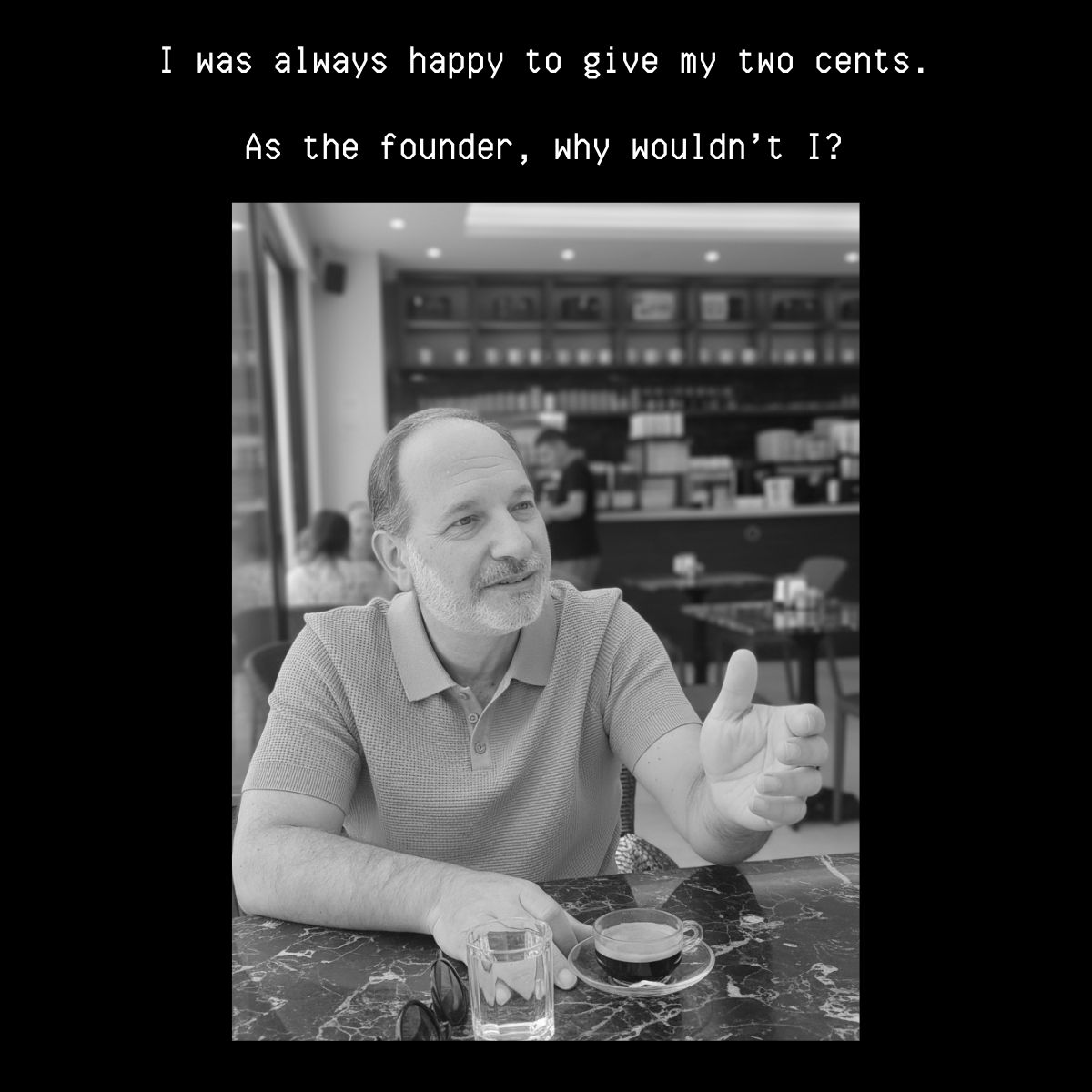
In a recent LinkedIn post, Martin Wirtschafter discusses a common pitfall for founders and senior leaders: inadvertently undermining the authority of their own managers. Wirtschafter shares a personal anecdote about how his well-intentioned desire to help employees led to a situation where managers lost confidence and, in some cases, left the company. He argues that by allowing employees to bypass their direct supervisors, founders can erode the very authority they expect their managers to wield.
The Founder’s Role in Undermining Authority
Wirtschafter highlights a pattern where employees, seeking the “best” answer, would approach him directly, bypassing their managers. As the founder, he would often provide answers, believing he was being helpful. However, this created a dynamic where his word superseded that of the direct manager, teaching employees that management authority was conditional and could be circumvented.
“I’d answer because I wanted to help. But if my answer differed from their manager’s, mine won. S naturally, the employee learned they could shop around for a better answer.”
This practice, Wirtschafter explains, had significant repercussions. Managers began to doubt their own judgment, realizing that their decisions could be overturned by a direct conversation with the founder. He notes the demoralizing effect this had:
“The manager learned that their authority was conditional. After enough of this, my managers stopped trusting their own judgment. Why take ownership when one conversation with me could undo their decision?”
Consequences of Eroded Authority
The consequences of this leadership misstep were severe, according to Wirtschafter. He observed that some managers became disengaged, leading to quiet quitting, while others left the company altogether. Wirtschafter confesses that he initially misdiagnosed the problem, believing he had hired managers who lacked ownership. The harder truth, he realized, was that he had “given them responsibility, then undermined the authority they needed to carry it.”
The Path to Rebuilding Trust
To rectify this situation, Wirtschafter implemented a new approach. Instead of settling decisions for teams, he began redirecting employees back to their managers. When an employee approached him directly with a question, his response became:
“What does your manager think?” Then I sent them back.
Wirtschafter emphasizes that if disagreements arose, he would address them privately with the manager. This strategy aimed to reinforce the manager’s position and ensure that their authority was respected and intact. He concludes with a stark observation for leaders:
“If your team can bypass their manager for your answer, you haven’t given that manager authority. You’ve given them a title with no authority to lead.”
Wirtschafter’s insights serve as a critical reminder for founders and senior leaders about the importance of empowering their management teams and the detrimental effects of unintentionally undermining their authority.
📝 About This Content
This article is based on insights shared by Martin Wirtschafter on LinkedIn.
📅 Originally posted on September 14, 2026 | View original post on LinkedIn →