
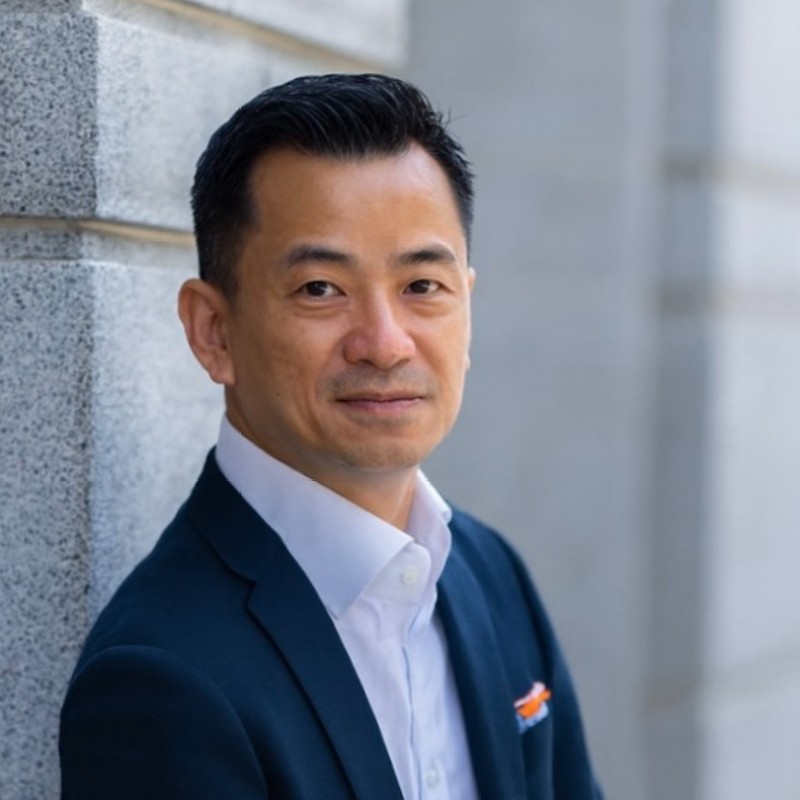
In a recent LinkedIn post, Eric Sim discusses how readers’ responses can expand a conversation about work, wealth and happiness. This article reports on Sim’s post and the exchange it highlights; it is not an article written by Sim.
“These comments offer me a wider perspective, so I see writing on LinkedIn as a form of co-creation.”
Sim refers to an earlier post about the idea that life is more than work and that extreme wealth is not necessary for a happy life. He credits LinkedIn editor Ting Wei Toh with drawing attention to several comments on that post, presenting the responses as a meaningful part of the discussion rather than an afterthought.
Comments as part of the conversation
In Sim’s view, writing on LinkedIn can become collaborative when readers add perspectives that the original post did not include. His description of the exchange as “a form of co-creation” suggests that the conversation’s value lies partly in what happens after publication: contributors bring their own experiences and interpretations to the topic.
“On this post about life is more than just work, and extreme wealth is not needed to lead a happy life, LinkedIn editor, Ting Wei Toh, highlighted several insightful comments.”
According to Sim, the comments gave him a wider perspective. He names David Hansson, Brigadier Sushil Bhasin, CSP, Natasha Bounaparte and Gaurav Hegde, directing readers to their contributions. The post does not quote or summarize what those commenters said, so Sim’s point here is about the value of their participation, rather than any particular argument attributed to them.
An invitation to keep the discussion open
Sim closes by asking readers to share their views. That invitation extends the exchange beyond the people he names and leaves room for further responses to the underlying question: how should people weigh work and wealth against a broader idea of a happy life?
“Please share your views too.”
By highlighting the comments and inviting more contributions, Sim frames the post as an ongoing discussion. His account presents social media writing as a two-way process: an author raises a subject, readers respond, and those responses can shape how the author sees it. The post offers no detailed conclusion about happiness or wealth, but it makes clear that Sim sees value in hearing how others approach the question.
📝 About This Content
This article is based on insights shared by Eric Sim on LinkedIn.
📅 Originally posted on November 6, 2026 | View original post on LinkedIn →