
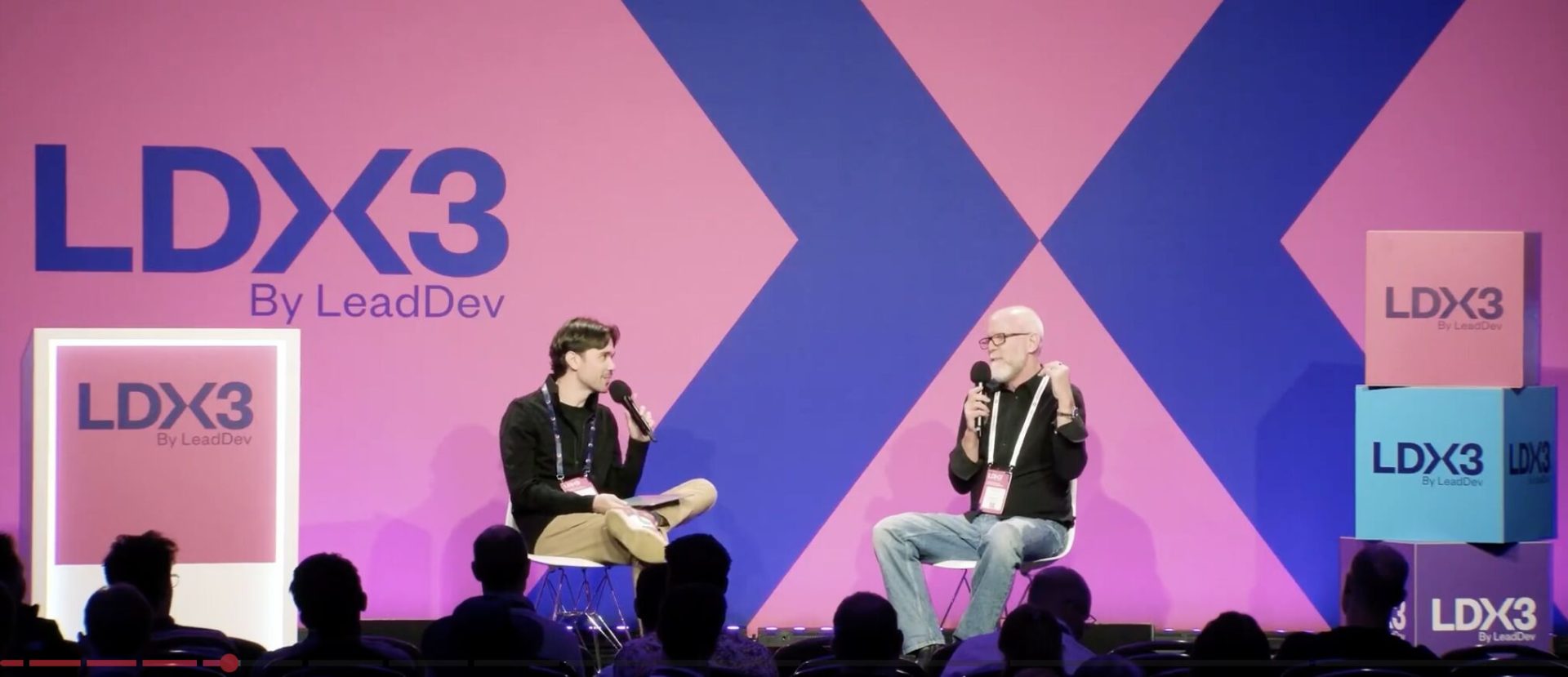
In a recent LinkedIn post, 🌀 Luca Rossi shares key takeaways from a conversation with engineering leader and storyteller Michael Lopp, also known as Rands. Rossi highlights several of Lopp’s core philosophies on leadership, communication, and the evolving landscape of technology, emphasizing the enduring power of human connection and insight in a rapidly changing field.
Rossi introduces the discussion by noting the breadth of topics covered, stating:
“At LDX3 I sat down with Michael Lopp, aka Rands — legendary engineering leader and one of the greatest storytellers in tech! We talked about a lot stuff, from the power of stories, to giving feedback, to managers coding again (should they?!), and of course AI.”
The Genesis of Insight: Writing as a Transformative Act
One of the foundational ideas Rossi conveys from Lopp is the critical link between writing and genuine understanding. Lopp, who has reportedly been journaling since the age of 14, believes that the act of writing transforms experiences into lasting insights.
As 🌀 Luca Rossi explains, drawing from Lopp’s perspective:
“Rands has been journaling since he was 14. He believes that when you write down an experience, it passes through a different part of your brain, which transforms it into lasting insight.”
This perspective underscores the idea that reflection and articulation are not merely passive recording but active cognitive processes that deepen comprehension and retention. Rossi frames this as a fundamental technique for leaders seeking to cultivate deeper self-awareness and more profound understanding of their experiences.
Building Bridges: The Power of Shared Language
Rossi also sheds light on Lopp’s concept of “naming things.” This refers to the practice of coining terms or phrases that encapsulate common observations or team dynamics, thereby creating a shared vocabulary.
According to 🌀 Luca Rossi, Lopp suggests that these shared terms, such as “free electron” or “incrementalists vs completionists,” serve a crucial purpose:
“Naming something obvious can be the beginning of a framework that helps teams communicate better.”
This practice, as highlighted by Rossi, empowers teams by providing them with a common language to discuss complex issues, fostering clearer communication and a more cohesive working environment. It transforms abstract concepts into tangible, discussable elements.
Evolving Roles: Managers, Coding, and AI’s Influence
A significant portion of Rossi’s post, reflecting Lopp’s insights, addresses the changing role of engineering managers, particularly concerning their technical involvement.
Rossi notes that Lopp has revisited his earlier advice urging managers to step away from coding. The advent of AI has, in Lopp’s view, made it feasible for leaders to remain technically proficient without neglecting their people-management responsibilities.
🌀 Luca Rossi relays Lopp’s observation:
“Managers are coding again — Rands flipped his old ‘stop coding, managers’ advice. AI has made it possible for leaders to stay technical without sacrificing people work. Managers at his former companies are shipping fixes and building tools, and it’s mostly great.”
However, Rossi also conveys Lopp’s cautionary notes regarding AI. Lopp’s personal experience with an AI tool inventing fake users due to a slow API call demonstrates the continued need for human oversight. As Rossi points out, Lopp’s decades of experience in auditing and detecting anomalies were crucial in managing the AI effectively. This highlights that while AI offers new capabilities, seasoned leadership instincts remain indispensable.
The Unchanging Core: Middle Management and Human Support
Finally, Rossi emphasizes Lopp’s conviction that middle management is far from obsolete. Contrary to some predictions, Lopp argues that as engineers become more productive due to advanced tools and AI, the need for supportive management structures increases.
In 🌀 Luca Rossi’s summary of Lopp’s view:
“Middle management isn’t going away — if engineers are more productive, their blast radius is bigger, so they probably need more support, not less. Career coaching, strategy, delegation: humans helping humans isn’t going anywhere.”
This perspective reinforces the idea that technology enhances, rather than replaces, the essential human elements of leadership, such as strategic guidance, career development, and effective delegation. The core functions of supporting and developing people remain paramount, ensuring that middle management continues to play a vital role in organizational success.
📝 About This Content
This article is based on insights shared by 🌀 Luca Rossi on LinkedIn.
📅 Originally posted on June 26, 2026 | View original post on LinkedIn →