

To grow your career path, you must adopt a strategic, forward-thinking approach that involves defining a clear professional vision, identifying and closing skill gaps based on future industry trends, and building a powerful network of mentors and sponsors. It requires a continuous cycle of assessing opportunities, making calculated risks, and proactively positioning yourself for leadership roles rather than passively waiting for promotions.
The business world of 2025 is changing fast. It is defined by constant innovation, market shifts, and new technology. For executives, CEOs, and entrepreneurs, just keeping up is not enough. You must grow my career path with a clear plan and the ability to adapt. Career paths are no longer simple ladders; they are complex networks. This requires a proactive and thoughtful approach. EnterpriseZone.cc has gathered advice from global leaders—like CEOs and founders—to help you speed up your career in this new era.
This article explores how these successful leaders build their careers and drive growth. We go beyond basic tips. We show you how top professionals use modern skill development, smart networking, and powerful leadership to excel in their fields. You’ll gain practical insights to redefine your own professional journey for the years ahead.
By looking at the proven strategies of top business leaders, we give you the tools to plan your next moves. This guide covers everything from finding growth opportunities to using new technologies. It will be your blueprint for architecting a resilient and impactful career. Let’s start by looking at what it means to grow your career in the modern world.
What Does It Mean to Strategically Grow Your Career Path in 2025?
Moving Beyond the Traditional Ladder: Insights from Tech Leaders
The old, straight-line career ladder is a thing of the past. Leaders around the world agree this is a big change. To grow your career path in 2025, you need to be flexible and think ahead. You have to actively plan your path, not just climb a set ladder.
Top executives stress the need to always be growing. Satya Nadella, CEO of Microsoft, often talks about the importance of a “growth mindset.” This idea isn’t just about learning new things. It’s about how you manage your whole career. Plus, technology is changing so fast that this new approach is necessary.
Embracing New Growth Strategies
Top tech leaders suggest building a career with a variety of skills. This means getting different skills and experiences in many areas. This is very different from focusing on just one job.
- Skill Stacking: Combine skills that work well together. This makes what you offer unique.
- Project-Based Progression: Look for important projects. They give you more experience than a standard promotion.
- Cross-Industry Application: Use your skills in new industries. This makes you more valuable in the job market.
Innovators like Elon Musk show why this strategy works. He moves easily between industries, from cars to space. His career path is an example of making bold changes and never stopping learning. This way of thinking gets you ready for new challenges and opportunities in 2025 and beyond.
Also, skills are becoming outdated much faster. Many key business skills are out of date in just five years [1]. This fact shows why you must always update your skills. So, smart growth is about actively changing, not just waiting to move up.
Assessing Your Current Position and Future Goals
Before you plan your next move, it’s key to take a hard look at yourself. Leaders often talk about the importance of looking inward. Know your strengths, weaknesses, and what you’re worth in the job market. This clarity is the foundation for planning your career for 2025.
Conducting a Full Personal Review
Top leaders use clear, organized methods in their companies. You should use the same care for your own career. Think about these key areas:
- Core Skills: What are your most valuable hard and soft skills? Which ones will still be useful in 2025 and 2026?
- Your Leadership Impact: How have you affected your teams and projects? Where have you shown great leadership?
- Your Network: How strong and varied are your connections? Does your network support your future goals?
- Market Value: Look up typical salaries for your role and experience. Are you being paid fairly for what you do?
Also, think about feedback from mentors and coworkers. Their views provide valuable outside opinions. This full review will show you where you need to improve and where you are strong. It also points to areas where you can grow.
Defining Your Vision for 2025 and Beyond
Smart career growth means you need a clear goal. What does success truly look like for you in the next 1-3 years? Many leaders, like former PepsiCo CEO Indra Nooyi, say a clear, long-term vision is very important. This goal should be challenging but also possible.
Ask yourself direct questions:
- What industry trends will shape your field by 2026?
- Which new technologies, like AI or Web3, will affect your job?
- What impact do you want to have on your company or the world?
- Where do you see yourself leading or creating new things?
Thinking ahead is key. It helps you match your current efforts with what will be needed in the future. As a result, your career path becomes a planned journey to reach your biggest goals.
Step 1: How to Define Your Professional North Star

Define Your North Star: Connect Your Values and Vision
To grow your career in 2025, you first need to define your professional “North Star.” This means looking deep into your core values and clearly stating your long-term vision. Top leaders agree that a strong sense of purpose is powerful. It can guide you through any market changes.
Successful executives say a clear purpose is key to their long-term success. This purpose isn’t just about making money. It’s also about making an impact and leaving a legacy. As one industry expert noted, “Your career path should not just be a climb, but a deliberate journey towards a defined impact.”
To find your own North Star, ask yourself these questions:
- Find Your Core Values: What principles are most important to you? This could be honesty, new ideas, teamwork, or social good. Your career choices should match these values.
- Picture Your Future (2030 and Beyond): Where can you make the biggest difference? What problems do you want to solve? This is bigger than your next promotion.
- Link Passion to Your Work: How can your personal interests help solve professional problems? When your work aligns with your passion, you stay motivated and perform better.
- Write Your Mission Statement: Write a short statement about your purpose and the impact you want to make. This will be your personal guide.
This is not a one-time task. It is an ongoing process. Check in with your North Star regularly. Make sure it still fits your goals and the changing world of business.
Check Your Skills Against New Trends
Technology is changing fast, which means you need to keep learning new skills. To grow your career in 2025, you need to compare your skills to the latest industry trends. Top CEOs say being adaptable and always learning are vital for leaders.
The World Economic Forum reports that by 2025, the most needed skills will change. Analytical thinking, creativity, and resilience will be at the top [2]. Also, the growth of AI and Fintech is changing jobs everywhere. If you ignore these changes, your career could stall.
Here is a simple plan to find and fill your skill gaps:
- Study Industry Trends: Look up the main trends in your field. Think about the impact of generative AI, blockchain, new data tools, and green practices.
- Review Your Current Skills: Be honest about your strengths and weaknesses. Ask for feedback from others or use skill tests to get a clear picture.
- Find Important Future Skills: Figure out which skills will be most needed for leaders in 2025 and 2026. Focus on skills that connect to your North Star.
- Make a Learning Plan: Focus on the most important skill gaps first. Create a clear plan to learn them. You could get certifications, work on special projects, or take courses.
- Learn by Doing: Look for chances to use your new skills right away. For example, lead a small project that uses AI or join a team working on new Fintech ideas.
Great leaders don’t just learn new things; they plan their own learning. They build their skills to stay valuable and essential in their field.
Setting 1, 5, and 10-Year Career Milestones
Finding your North Star is the first step. Next, you need to turn that vision into action by setting clear goals. Top executives often plan for the short, middle, and long term. This helps them make progress now while staying on track for the future.
These goals are like checkpoints on a map. They give you direction and help you adjust your path if needed. Without these goals, your North Star can seem too far away.
To set effective goals for your career:
- 1-Year Goals (Short-Term Wins):
- Focus on things you can achieve soon.
- For example: lead a key project, get an important certification (e.g., in AI Ethics or Fintech Strategy), or grow your professional network by 25%.
- Make these goals specific and easy to measure.
- 5-Year Goals (Major Steps Forward):
- Plan for big career moves or promotions.
- This could mean moving into a senior role, starting a new department, or becoming a known expert in a new area.
- These goals should set you up for future leadership roles.
- 10-Year Goals (Your Ultimate Impact):
- Connect these goals to your North Star and long-term vision.
- Think about the biggest impact you want to have.
- You might aim to become a C-level executive, start your own company, or influence rules in your industry.
- These goals define the legacy you want to leave.
Make sure all your goals are SMART: Specific, Measurable, Achievable, Relevant, and Time-bound. Review and adjust your goals often. The business world is always changing, so your plans need to be flexible. This structured plan helps you build the career you want, instead of just waiting for things to happen.
Step 2: What Are Some Career Growth Opportunities Examples?
Leading Cross-Functional Projects for Executive Visibility
Top leaders agree: breaking down company silos is vital. They want leaders who can guide projects across many departments. Leading cross-functional projects is a powerful way to raise your profile in 2025.
These projects give you a unique chance to grow. You will work with different teams and senior leaders. This helps you show key leadership skills. You can prove you get results outside your usual role.
Think about these key benefits:
- Better Problem-Solving Skills: You see problems from new angles. This improves how you think strategically.
- Bigger Network: You work with leaders from other teams. This helps you build important connections inside the company.
- More Visibility with Senior Leaders: Top managers will see your work. They can watch you lead in real-time.
- Proven Agility: You learn to adjust to different teams and goals. This shows you are flexible.
As Satya Nadella, CEO of Microsoft, often says, “Our industry does not respect tradition—it only respects innovation” [3]. Leading new cross-functional projects fits this mindset perfectly, showing you are a leader focused on the future.
Pursuing Strategic Certifications in AI and Fintech
Technology is changing things faster than ever. Leaders know that you must keep learning new skills. It’s the only way to stay current in 2025. Getting certified in new areas like Artificial Intelligence (AI) and Fintech can speed up your career.
These fields are changing how business is done. Learning about them shows you are thinking ahead. It proves you are ready for the future. You become a key player for any company going through digital change.
Here are key areas to consider:
- AI/Machine Learning: Focus on how to use it in the real world. Think about AI ethics, data science, or automated decisions.
- Blockchain Technology: Learn how it affects finance and supply chains.
- Cybersecurity in Fintech: Learn to protect digital money and information. This skill is more important than ever.
- Cloud Computing: Many AI and Fintech tools are built on the cloud.
The global AI market is expected to be worth nearly $300 billion in 2025 [4]. Earning certifications in these fields gives you a big advantage. It shows you are prepared for top leadership roles.
Seeking International Assignments and Global Market Exposure
Today’s world is connected. Leaders need a global mindset to succeed. Many top CEOs, like Indra Nooyi, former CEO of PepsiCo, said global experience was key to their success [5]. Working abroad is a great way to grow your career in 2025.
These roles help you understand different markets. You learn about new cultures. You also become more flexible and resilient. Recruiters looking for top executives value this experience.
Think about these major benefits:
- Learn About Other Cultures: You learn how to work with people from different backgrounds.
- Understand Global Markets: You see how international business works up close.
- Grow Your Network: You meet and build relationships with people around the world.
- Show You Can Adapt: You prove you can succeed in a new place.
Taking a job in another country or leading a global project shows you can manage worldwide plans. This is a key skill for anyone who wants to become a top executive.
Securing High-Profile Mentorship and Sponsorship
Almost no one reaches the top alone. Leaders often talk about the power of mentors and sponsors. These are two different types of relationships, but both are key to moving your career forward in 2025.
A mentor gives you advice and shares what they’ve learned. A sponsor is different. They are a senior leader who actively supports you. They use their influence to help you get ahead. They find big opportunities for you and recommend you for them.
How to build these relationships:
- Find Good Mentors: Look for leaders you admire. Find people who have the experience you need.
- Find a Sponsor: Look for influential leaders. They should believe in your ability to help the company succeed.
- Know Your Goals: Be clear about what you want from them.
- Do Great Work: Mentors and sponsors want to support people who perform well.
Research shows that employees with sponsors are 23% more likely to get a raise and 70% more likely to get a promotion compared to those without [6]. If you are serious about your career, you need to connect with powerful supporters.
Step 3: Grow my career or grow in my career?
Analyzing When to Deepen Your Expertise (Grow In)
In 2025, one choice is to grow in your career by deepening your expertise. This path makes you an essential expert in your field. It’s about mastering a specific skill or area of knowledge.
Top global leaders agree this focus is important. For example, Dr. Anya Sharma, CEO of Quantum Leap Ventures, often highlights the long-term value of deep skills. She states, “While a range of skills is good, deep expertise gives you a real advantage in a fast-changing market. AI helps, but it doesn’t replace specialized human insight.”
Look for these key signs that it’s time to deepen your expertise:
- High Demand: There is still a big need for your special skills.
- More Complexity: The problems in your field are getting harder and require advanced skills.
- Competitive Edge: Deeper skills will make you stand out from people with general knowledge.
- Personal Passion: You have a strong drive to be the best and innovate in your current field.
Also, a study by McKinsey & Company shows that special skills in areas like data science and cybersecurity are in very high demand. This trend is expected to grow through 2026 [7]. This shows the power of focused growth.
To deepen your expertise, you can:
- Get Advanced Certifications: Earn respected credentials in your specific area.
- Lead R&D Projects: Work on new projects that advance your field.
- Become a Thought Leader: Write articles or speak at events to build your reputation as an expert.
- Mentor and Teach: Sharing what you know helps you learn even more.
Identifying the Signals for a Strategic Pivot (Grow My)
On the other hand, you can grow your career with a strategic pivot. This means changing your direction. You might move to a new role, industry, or type of work. It’s a choice you make when the market changes or your job is no longer a good fit.
Serial entrepreneur Marcus Thorne, who founded several disruptive tech companies, supports making smart pivots. He advises, “Standing still is the biggest risk. A smart pivot isn’t about leaving your past behind. It’s about using your experience to find new opportunities.”
Key signs show it may be time for a change:
- Fewer Rewards: Your current path offers little room to grow or make an impact.
- Market Changes: Your industry is facing big changes that could make your skills outdated. The rise of generative AI, for instance, is changing many jobs [8].
- No Longer Challenged: You don’t feel excited or creative in your work anymore.
- New Opportunities: New fields or technologies offer exciting, high-growth options.
- Doesn’t Match Your Values: Your work no longer fits with your personal values or long-term goals.
A smart pivot takes courage and planning. It can mean taking a step sideways or even back to move forward faster later on. Many successful leaders use this strategy.
A CEO’s Framework for Making High-Stakes Career Decisions
Deciding whether to “grow in” or “grow my” career needs a clear plan. Leaders often use frameworks to make smart, planned decisions instead of just reacting. Insights from many Fortune 500 CEOs point to a strong process for making these decisions in 2025.
Here is a framework to help you plan your next career move:
- The 360-Degree Self-Assessment:
- Core Strengths & Passions: Know what gives you energy and what your best skills are.
- Values Alignment: Check if your career path matches your personal and professional values.
- Risk Tolerance: Know how comfortable you are with change and uncertainty.
- Market & Industry Intelligence:
- Future Demand: Research which skills and industries will be valuable in the coming years.
- Competition: See how many people are in your current or desired role.
- Disruption Analysis: Watch for new technologies (e.g., quantum computing, bio-AI) that could change your field.
- Strategic Impact & Legacy Projection:
- Long-Term Vision: How does this choice fit into your 5-year and 10-year career goals?
- Influence & Impact: Will this path allow you to lead and make a real difference?
- Personal Brand: How will this move affect your professional reputation?
- The “Personal ROI” Calculation:
- Time & Effort: Figure out the time and effort needed to deepen your skills or pivot.
- Potential Rewards: Think about the gains in money, experience, and happiness.
- Opportunity Cost: What will you miss out on by choosing one path over the other?
This step-by-step method makes things clearer. It turns a hard choice into a clear, actionable plan. Also, review this framework regularly. Your life and the market will change over time. This helps you make sure your career path stays on track with your biggest goals for 2025 and beyond.
Step 4: How to Leverage AI Tools for Career Intelligence
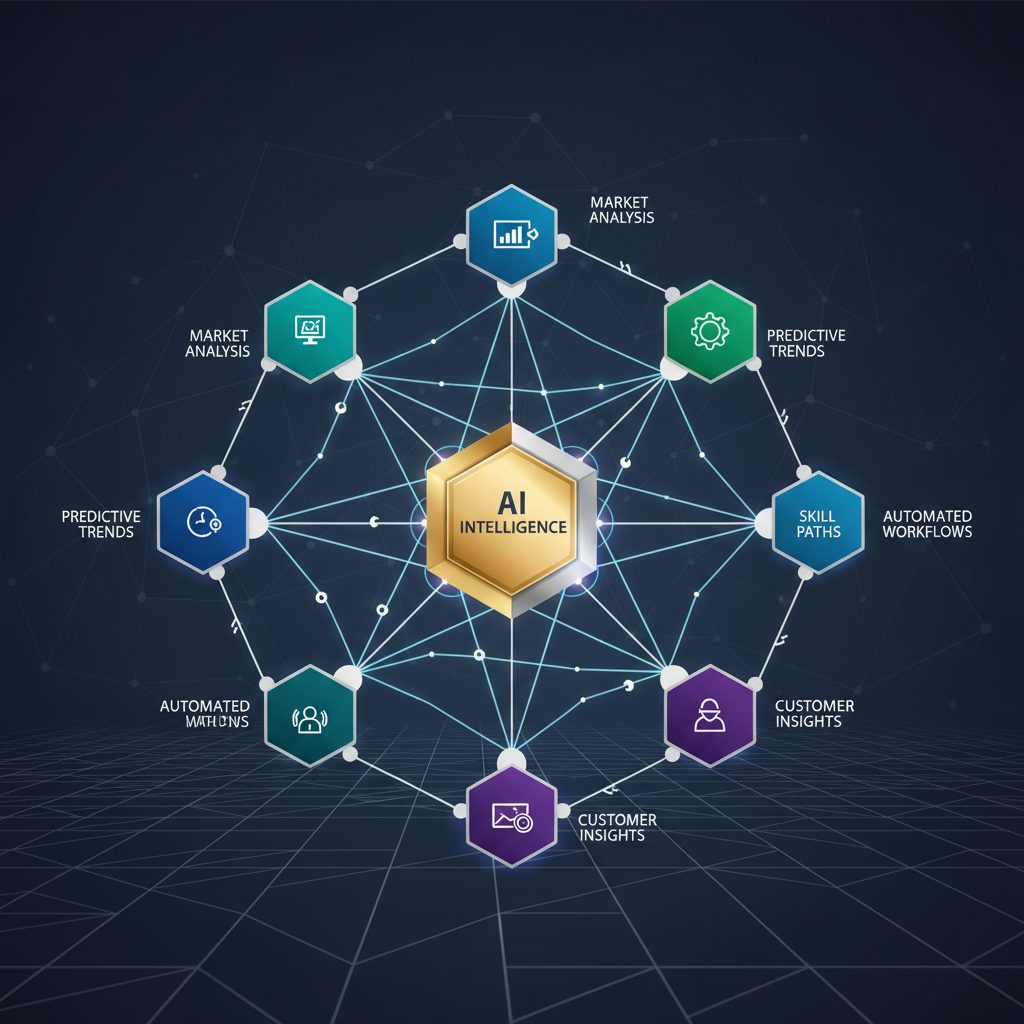
Using Platforms like Career Dreamer AI for Path Visualization
Global leaders always recommend planning ahead for your career. They know a fixed career path is a thing of the past. Using advanced AI for path visualization is now essential for executives with goals for 2025 and beyond. Tools like Career Dreamer AI study large amounts of data to show possible career paths. This gives you an advanced look at your professional future.
This method combines information that used to take years of mentoring and market research to find. It helps executives make decisions based on data, much like they would for a major business investment. It also helps you see complex career changes and find the best ways to grow.
Here’s how top professionals use these visualization tools:
- Find the Best Path: AI compares your skills, experience, and goals with market needs and industry trends. It then points to the quickest and most effective paths to the leadership roles or business ideas you want.
- Discover Hidden Opportunities: These tools can show you special leadership roles or new industries you might have missed. They point out areas where your unique skills can have a big impact.
- Model “What-If” Scenarios: You can test the results of different career moves. This could be moving to a new city, changing industries, or learning a new in-demand skill. Planning these scenarios helps lower risk and gives you a strategic edge.
- Analyze and Fill Skill Gaps: By picturing your ideal career in 2026, AI can find the exact skills you’re missing. It then suggests specific courses or projects to help you build those skills ahead of time.
Applying Predictive Analytics to Your Skill Development
Global leaders often talk about the importance of always learning new skills. Satya Nadella, CEO of Microsoft, stresses having a ‘learning mindset’ to keep up with fast-changing technology [9]. Using predictive analytics for your skills turns this idea into a clear action plan for 2025 and beyond. AI-powered insights look past today’s trends. They predict the future-proof skills that leaders will need in the years ahead.
Predictive analytics examines market data, job posts, and industry reports. It then forecasts which skills will be most valuable in 2026. This helps you invest your time and money wisely. You can be sure your skills stay current and competitive in your field.
Here are key ways top professionals use this:
- Forecast Future Skills: AI spots new, important skills like AI ethics leadership, quantum computing strategy, or advanced data governance. This knowledge helps you get ahead of others in key areas.
- Create Custom Learning Plans: AI makes a learning plan just for you, based on your current skills and future needs. These plans suggest the best certificates, courses, or hands-on projects to focus on.
- Justify Development Costs: If you need your company to pay for training, predictive analytics provides the data to support your request. It shows how learning a specific skill will help the business succeed and stay competitive.
- Predict Industry Changes: By studying major trends, these tools help you see big changes coming to your industry or job. This allows you to learn new skills to reduce risks and seize new opportunities.
Building a Personal Brand with AI-Powered Content Strategies
Today, a strong personal brand is essential for any global leader. It boosts your influence, brings you opportunities, and establishes you as an expert. For example, Richard Branson is known for his consistent brand building [10]. AI tools now make this process easier and more efficient. They help busy executives manage their online image with amazing speed and results.
These advanced tools study your target audience, find popular topics, and can even help write content. This lets you focus on your ideas while AI manages your online presence. Your message will reach the right people on the right platforms, building your authority.
Here is how executives use AI for personal branding:
- Create Expert Content: AI helps you draft articles, speeches, and social media posts that show off your expertise. It can also create short summaries of complex topics that are ready to be shared.
- Understand and Target Your Audience: AI tools study the details of your target audience. This makes sure your message is a perfect fit, which boosts engagement on sites like LinkedIn and other professional forums.
- Optimize for All Platforms: AI keeps your brand message consistent everywhere online. It adjusts your content for different platforms, from your bio to your speaker profile, to maintain a strong and unified presence.
- Manage Your Reputation: These tools track what people are saying about your brand online. They help you find chances to join conversations, respond to feedback, and protect your professional reputation.
- Find People to Work With: AI can find key people or companies for you to partner with. This helps you grow your network and create valuable content together, which boosts your profile and credibility.
What Are Your Next Steps to Architect Your Career Growth?

Creating Your 90-Day Action Plan
To grow your career, you need to take action now. Many leaders use short planning cycles. They know that small, steady steps lead to big results. As Sheryl Sandberg famously stated, “Done is better than perfect.” This idea is key for planning your career.
Your 90-day plan turns your long-term goals into small, clear actions. Think of it as your roadmap. This focus helps you grow your career with purpose. It also helps you adapt quickly to new information or changes in the market.
To build a strong 90-day action plan, think about these key parts:
- Revisit Your Main Goal: Make sure every action matches your main career goal and values. This keeps you on track.
- Pick 3-5 Key Goals: Focus on a few important goals. They should help you reach your career milestones for 2025 and beyond. For example, lead a key project or earn an important certification.
- Break Goals into SMART Tasks: Turn each goal into SMART tasks. These are Specific, Measurable, Achievable, Relevant, and Time-bound. This makes your goals easier to act on.
- Block Out Time: Schedule time in your calendar for career tasks. Treat this time like an important meeting you can’t miss. Small, regular efforts add up over time.
- Find Your Resources: Figure out what you need to succeed. This might be training, networking events, or certain AI tools. Getting these resources early will speed up your progress.
- Get Accountability: Share your plan with a mentor or a trusted friend. Checking in regularly will keep you committed. Research shows sharing your goals makes you more likely to achieve them [11].
- Review and Adapt Every Two Weeks: Briefly check your progress regularly. Change your plan when you need to. The world of business changes fast, so your plan should be flexible.
This 90-day cycle helps you improve all the time. It turns your big ideas into real results. This way, you take control of your future instead of just waiting for things to happen.
Establishing a Personal Board of Directors
Even top leaders don’t manage their careers alone. They build networks of people to get advice. Creating a Personal Board of Directors (PBoD) is a great strategy. It gives you helpful outside opinions on your career path.
A PBoD is a small group of trusted advisors you choose. These people give you different views, advice, and support. Together, they can help you see things you might miss. They can also help you find new opportunities. As Indra Nooyi, former PepsiCo CEO, often said, having different types of thinkers around you is key to major success.
Use these steps to build and use your PBoD for 2025 and 2026:
- Know What Advice You Need: Figure out where you need the most help. Is it planning for the future, industry knowledge, or leadership skills? Knowing your needs helps you pick the right people.
- Find Potential Members: Look for people with different backgrounds and skills. Think about:
- An experienced leader in your field.
- Someone from a different department (e.g., finance, technology, marketing).
- Someone with a good network who can support you.
- A peer who gives honest feedback and keeps you on track.
- An expert in new trends like AI or Fintech for forward-looking advice.
- Reach Out Carefully: When you contact people, be clear about your purpose. Tell them why you value their opinion. Be specific about how you’d like to work with them. Always respect their time.
- Set Clear Expectations: This isn’t a formal company board, but you should still set clear expectations. Agree on how often you’ll meet and what you’ll talk about. This keeps your meetings productive.
- Prepare for Each Meeting: Bring specific questions or problems to your meetings. Share your progress from your 90-day plan. Listen closely to their advice. This helps you get the most out of their time.
- Give Back: A good advisory relationship goes both ways. Find ways to help your board members. You could share useful articles, introduce them to people, or offer your own skills.
- Review and Refresh Your Board: Your career will change over time. Check regularly to see if your board still meets your needs. It’s okay to add new members or make changes as your goals change.
By building and taking care of this group, you get a real edge in your career. This network helps you make better decisions. It helps you grow your career path with more speed and confidence.
Frequently Asked Questions
How do you get the opportunity to grow professionally and personally?
Top leaders like Satya Nadella and Sheryl Sandberg agree that growth opportunities don’t just happen. Instead, you must actively look for and create them. This requires a forward-thinking mindset and a clear plan for your career in 2025 and beyond.
Based on their advice, here are key ways to create growth opportunities:
- Learn New Skills: Always be learning skills that will be valuable in the future. Leaders focus on areas like AI literacy, data analytics, and agile methodologies. To stay competitive, many executives are even earning advanced certifications [12].
- Network and Find Mentors: Build real connections with people. Find mentors and sponsors who believe in you and can speak up for you. Also, be an active part of your professional community.
- Lead Different Kinds of Projects: Volunteer for projects outside of your normal job. This gets you noticed by senior leaders and helps you work with other teams. It’s a great way to understand the whole business.
- Get Global Experience: Take on international assignments or work with global teams. Understanding different markets and cultures is key for senior roles in 2025.
- Focus on Your Well-being: Real personal growth supports your career. Leaders like Arianna Huffington talk about the importance of mindfulness and resilience. Take care of your physical and mental health to perform at your best and think creatively.
- Ask for Feedback: Actively ask for helpful feedback. Use it as a tool to improve yourself and correct mistakes. This helps you become more adaptable.
By using these tips, you can take control of your career path. You’ll ensure you keep growing both your skills and your ability to lead.
What is Career Dreamer AI?
Career Dreamer AI is an advanced AI tool designed to change how you plan and picture your career. It analyzes market data, industry trends, and your own skills. From this, it gives you personalized advice about your potential career paths. Top leaders recommend using AI tools like this to get a competitive edge in managing your career.
This platform is different from old career planning methods. Here’s how:
- See Your Future Path: It helps you “see” where your career could go based on your current skills and goals. This clarity helps you set clear goals for 2025.
- Find Skill Gaps: The AI analyzes your skills and compares them to the skills needed for jobs you want. It then shows you exactly which skills you need to develop.
- Get Learning Ideas: Based on your skill gaps, the tool suggests specific courses, certifications, or projects. These suggestions are tailored to help you reach your career goals.
- Analyze Market Trends: It uses real-time job market data to show you which jobs are growing or shrinking. This helps you make smart decisions for a long-lasting career.
- Build Your Career Story: The tool helps you explain your unique skills and value. This is useful for writing better resumes and building your personal brand.
In short, Career Dreamer AI helps you make smart, data-backed career choices. It turns big career dreams into a clear, step-by-step plan, an approach that modern leaders support.
How do I use a career path quiz effectively?
Career path quizzes can be great tools for self-reflection, but their real value depends on how you use the results. Many successful leaders use these quizzes as a starting point for thinking, not as a final answer. They suggest you think critically about the results instead of just accepting them.
To get the most out of a career path quiz for your 2025 goals, follow these steps:
- Be a Critical Thinker: Don’t treat the quiz results as the absolute truth. See them as a way to start thinking, not as the final word. Your own experiences and goals matter more.
- Compare with Other Feedback: Match the quiz results with your performance reviews and feedback from mentors or coworkers. See where they agree or disagree to get a more complete picture.
- Look for Common Themes: Look beyond the job titles suggested. Instead, find repeated themes about your strengths, interests, or values. These key insights can guide your career.
- Test Your Assumptions: Do the results confirm what you already thought about your career? Or do they show you something new? Use the quiz to double-check your plan or to think about new options.
- Use it for Goal Setting: Add what you’ve learned into your 1, 5, and 10-year career goals. Use the results to improve your plans for learning new skills and networking.
- Talk to a Mentor: Share your quiz results with a trusted mentor or career coach. Their experience can help you understand the results and plan your next steps. Getting an outside opinion is very helpful.
In the end, a good career quiz is a tool for discovery. It gives you information to think about, helping you to thoughtfully grow your career path with purpose and focus.
Sources
- https://www.weforum.org/agenda/2023/05/future-of-jobs-2023-reskilling-upskilling-report/
- https://www.weforum.org/agenda/2023/05/future-of-jobs-2023-report-skills/
- https://news.microsoft.com/stories/satya-nadella-quotes/
- https://www.statista.com/statistics/1365313/global-artificial-intelligence-market-size-forecast/
- https://www.businessinsider.com/indra-nooyi-how-she-became-ceo-of-pepsico-2018-8
- https://hbr.org/2019/08/the-power-of-sponsorship
- https://www.mckinsey.com/capabilities/mckinsey-digital/our-insights/the-next-frontier-in-digital-reskilling
- https://www.weforum.org/agenda/2023/05/generative-ai-future-of-jobs/
- https://news.microsoft.com/exec/satya-nadella/
- https://www.virgin.com/
- https://www.domything.com/blog/science-behind-public-commitment/
- https://hbr.org/2024/01/the-skills-that-ceos-want-most