

For executives, to ‘growth my career’ means strategically expanding your influence, capabilities, and industry impact far beyond your current role. It involves cultivating a powerful executive brand, mastering C-suite networking, and leveraging emerging technologies like AI to secure high-value leadership and advisory opportunities.
With rapid technology and a changing world, the traditional path for career advancement is no longer enough. Today’s leaders want more than the next promotion; they want a smarter plan to truly grow their career. This means building lasting influence, not just hitting conventional milestones. To succeed in 2025 and beyond, you must be agile, look to the future, and master emerging trends.
At EnterpriseZone.cc, we gathered insights from a wide range of global leaders. We spoke with pioneering Fintech CEOs, visionary AI architects, and seasoned Fortune 500 executives. Their shared wisdom is clear: growing your career in 2025 demands a proactive, forward-thinking mindset. This guide is for more than just getting ahead. It’s about shaping your industry, building a strong network, and showing outstanding leadership acumen. The goal is to make major leaps, not just small steps.
This article is an executive’s playbook for success. It offers a clear blueprint for leaders who want to make a bigger impact in their field. We will explore why growing your career is critical for 2025. We will also look at real-world examples and give you practical strategies to create new opportunities and secure your place at the top of your industry.
Why Is ‘Growth My Career’ a Critical Executive Mandate for 2025?

The year 2025 is a key moment for global executives. Standing still is not an option. The idea of “grow my career” is more than just personal ambition. It is now a vital goal for the entire organization. Top executives see this change. To stay relevant, they must keep evolving.
The business world is changing faster than ever. New technology, especially Artificial Intelligence (AI), is changing entire industries. Global politics add more challenges. For leaders, getting through this requires more than keeping things the same. They need to plan for their strategic career development. This protects the future of both the executive and their company.
The Evolving Executive Mandate for 2025
Good leaders always say that being able to adapt is key. As many top leaders have noted, skills become outdated very quickly [source: https://www.weforum.org/publications/future-of-jobs-report-2023/]. So, executives must lead by example. When they keep learning, it shows their teams how to be resilient. It also sparks new ideas in the company. This is not just about getting a promotion. It’s about having a bigger impact and more influence.
Companies increasingly need leaders who can create major change. They are looking for executives who can:
- Guide AI Adoption: Using AI wisely is a top priority. This includes knowing the ethical risks.
- Build Digital Skills: It is vital to lead teams through fast digital changes. This helps the company run smoothly.
- Develop a Global View: To grow, leaders must understand different markets. This includes local cultures and rules.
- Promote Sustainability: Using ESG (Environmental, Social, and Governance) ideas is key. It attracts partners and investors [source: https://www.pwc.com/gx/en/services/esg/esg-sustainability-reporting-resources.html].
These skills give a company a big edge over its rivals. They are not just nice to have. They are essential for any executive to succeed in 2025.
Why Stagnation Threatens Enterprise Resilience
An executive career that isn’t growing has major risks. For the person, it can make their skills outdated. For the company, it can stop new ideas and growth. Top CEOs often say it’s better to “learn-it-all” than to “know-it-all.” This creates a culture that is quick to adapt and looks to the future.
Think about these serious problems when an executive stops growing:
- Less Innovation: Leaders who stop learning also stop their company from finding new ideas. New ideas come from new ways of thinking and up-to-date knowledge.
- Losing Top People: Good employees want chances to grow. They look up to leaders who are also growing. A leadership team that stands still will often lose its best people [source: https://hbr.org/2022/10/the-great-resignation-is-over-what-comes-next].
- Missed Opportunities: If a company doesn’t adapt, it can lose business. Quick-thinking competitors will take advantage of new trends.
- Weaker Influence: Without constant growth, a leader’s influence will fade. This affects key partnerships and trust from others.
So, investing in an executive’s career growth is not an extra cost. It is a basic need for success. It protects the company’s future health and its ability to compete.
The Strategic Imperative: Beyond Personal Gain
In 2025, “grow my career” is directly tied to the company’s success. It means making a real effort to build strategic skills. This helps leaders solve difficult global problems. It allows them to plan for future growth. As many experts say, an executive’s job is now more than just managing daily tasks. It now includes shaping the future.
This need for constant executive growth has two main benefits:
- For the Individual: Leaders learn new skills and see things in new ways. This makes them more valuable in the job market and happier in their work.
- For the Company: Companies get stronger leaders. This leads to new ideas, resilience, and long-term growth.
Accepting this new role is not a choice. It gets executives ready for the future’s challenges and opportunities. In the end, it helps them make a lasting impact. This guide offers clear steps for executives to take on this important role. Your growth in 2025 is your company’s future.
Redefining Career Growth: Beyond the Corporate Ladder

From Promotion-Chasing to legacy-building
The old view of career growth is changing. It is no longer just about climbing the corporate ladder. By 2025, successful executives will focus on legacy-building instead of just chasing promotions. This means creating a real, lasting impact that goes beyond job titles.
Many world leaders support this new way of thinking. For instance, Indra Nooyi, former CEO of PepsiCo, often said a leader’s job is to shape the future and leave a lasting mark, not just get the next promotion [1]. This view is key for anyone who wants to truly grow their career.
What does this mean for executives?
- Long-Term Vision: Match your career path with a bigger purpose. Think about the impact you want to have on your company, industry, or society.
- Value Creation: Focus on creating great value. This could mean bringing new ideas, forming key partnerships, or solving tough industry problems.
- Mentorship and Empowerment: Help grow the next generation of leaders. This is a key part of your legacy. When you empower others, you increase your long-term influence.
A legacy mindset makes you more than just a manager; it makes you a true visionary. This approach ensures your work is remembered long after you have moved on.
The Role of Influence vs. Authority in Modern Leadership
In the fast-changing business world of 2025, influence is becoming more important than authority. Your job title still matters, but it is not the only thing that makes a good leader. Today’s executives must learn to inspire and guide people without just relying on their rank.
When you lead with influence, you encourage teamwork and speed. As well-known entrepreneur Gary Vaynerchuk often points out, real influence builds trust and naturally motivates teams [2]. This is especially important for teams that work across different departments.
Building real influence involves a few key things:
- Strategic Communication: Clearly explain your vision and your reasons. People are more likely to follow when they understand the ‘why’.
- Emotional Intelligence (EQ): Understand and manage your own emotions, and notice the emotions of others. High EQ helps build stronger connections.
- Credibility and Expertise: Always show what you know and that you are reliable. Your history of success is a powerful way to influence others.
- Empathy and Active Listening: Show genuine concern for your team’s perspectives and challenges. This builds trust and strengthens connections.
Executives who want to grow their career must improve their ability to influence others. This ensures they can lead different teams toward shared goals, even without formal authority.
Synthesizing Insights from Tech Titans on Skill Evolution
Fast changes in technology, especially AI, are changing the skills top executives need. Insights from leading Tech Titans show a new set of key skills for 2025 and beyond. Leaders like Satya Nadella of Microsoft say empathy is just as important as technical skill [3].
Based on what tech leaders are saying, here are the key skills you need to develop:
- Adaptive Learning Agility: You must be able to learn new tech quickly, change plans, and switch business models. Standing still is not an option.
- Strategic AI Integration: Leaders must know how to use AI to gain an advantage, not just as another tool. This means finding ways for AI to transform your industry.
- Complex Problem-Solving: The world has complex problems. You will need strong thinking skills to solve them. Old solutions often will not be enough.
- Human-Centric Leadership: As technology grows, human skills become even more important. This means creating a safe team environment, encouraging creativity, and making ethical choices.
- Cross-Domain Acumen: The lines between industries are blurring. Leaders need to understand different fields to spot new opportunities where they overlap.
Building these new skills is not just about keeping up; it is about shaping the future. For executives who want to grow their career, developing these skills is essential for success in 2025 and 2026.
What Are Some Good Examples of Career Growth?
In 2025, true career growth is more than just climbing the corporate ladder. It means expanding your influence, deepening your expertise, and making a real strategic impact. Top executives know their career path is shaped by smart choices, not just by time on the job.
Based on insights from global leaders, here are three powerful ways executives are growing their careers today. These paths focus on taking on more responsibility, gaining influence, and making a bigger strategic impact.
Example 1: Expanding Scope Through Cross-Functional Transformation
For today’s executive, career growth often means working beyond your own department. It involves leading projects that touch multiple teams and drive major changes in the company. Leaders like Ginni Rometty, former CEO of IBM, often stressed the need for integrated thinking to solve complex business problems. This approach helps you see the business as a whole.
Executives who can lead projects across different teams show great strategic skill. They connect different parts of the business to find new efficiencies and drive innovation. This ability is more important than ever. A 2024 Deloitte study found that 75% of executives believe working across teams is essential for hitting strategic goals in the current business climate [source: https://www2.deloitte.com/content/dam/Deloitte/uk/Documents/consultancy/deloitte-uk-2024-human-capital-trends-report.pdf].
To grow in this way, consider these steps:
- Seek Out Interdepartmental Projects: Volunteer for or start projects that involve collaboration with teams like sales, marketing, product, and operations.
- Develop a 360-Degree Business Acumen: Learn about the goals and challenges of other departments. Talk with their leaders.
- Champion Digital Integration: Use technology to help teams share data and work together more easily, becoming an agent for modernization.
This path turns you from a specialist into a well-rounded business leader, greatly boosting your career potential for 2025 and beyond.
Example 2: Achieving Industry Influence via Thought Leadership
Many executives grow their careers by becoming known as experts in their industry. This strategy makes you an authority, helps shape industry conversations, and opens up new opportunities. Influential figures like Adam Grant or Brené Brown show how sharing unique ideas can build a strong personal brand and create a wider professional impact.
Thought leadership puts you at the center of new ideas and discussions. It raises your profile and can lead to strategic partnerships, speaking events, and media features. Furthermore, research by Edelman shows that 60% of business decision-makers are more likely to work with a company whose leadership shares compelling insights [source: https://www.edelman.com/research/thought-leadership-impact-study].
To become an industry influencer:
- Identify Your Niche: Find a specific area where your expertise provides unique value. This could be AI ethics, sustainable supply chains, or the future of work.
- Create High-Value Content: Regularly publish articles, whitepapers, or LinkedIn posts. Share your views on new trends and challenges.
- Engage Publicly: Take part in industry conferences, podcasts, and webinars. Offer your insights and encourage discussion.
- Build a Digital Platform: Create a professional online presence that showcases your expertise and thought-provoking ideas.
By regularly contributing to your industry’s knowledge, you build a reputation that goes beyond your current job. This sets you up for powerful career growth.
Example 3: Securing Board Appointments and Strategic Advisory Roles
For experienced executives, joining a board or becoming a strategic advisor is a major career milestone. These roles show that others trust your judgment, foresight, and ability to contribute at the highest level. Many leaders build “portfolio careers,” using their experience to guide several organizations. For instance, many former Fortune 500 CEOs join boards to share their unique perspective on the market.
Such roles let you make a big impact without managing daily operations. They allow you to help guide different companies, grow your network, and keep learning across new sectors. The demand for skilled board members, especially those with expertise in cybersecurity, AI, and ESG, is expected to rise through 2026 [source: https://www.spencerstuart.com/research-and-insights/global-board-of-directors-reports].
To position yourself for these roles:
- Cultivate a Governance Mindset: Learn about the duties of a board member, such as managing risk, providing oversight, and guiding strategy.
- Showcase Diverse Expertise: Highlight your experience in key areas for modern boards, such as digital transformation, M&A, global expansion, or compliance.
- Network Strategically: Connect with current board members, recruiters who focus on board placements, and professional governance groups.
- Consider Advisory Roles First: Serving on an advisory board can be a great first step toward a full board seat. It provides valuable experience and exposure.
Pursuing board and advisory roles is a smart move for long-term career growth. It allows you to build a lasting legacy of influence and leadership across the business world.
How Can I Engineer Opportunities to Grow My Career?
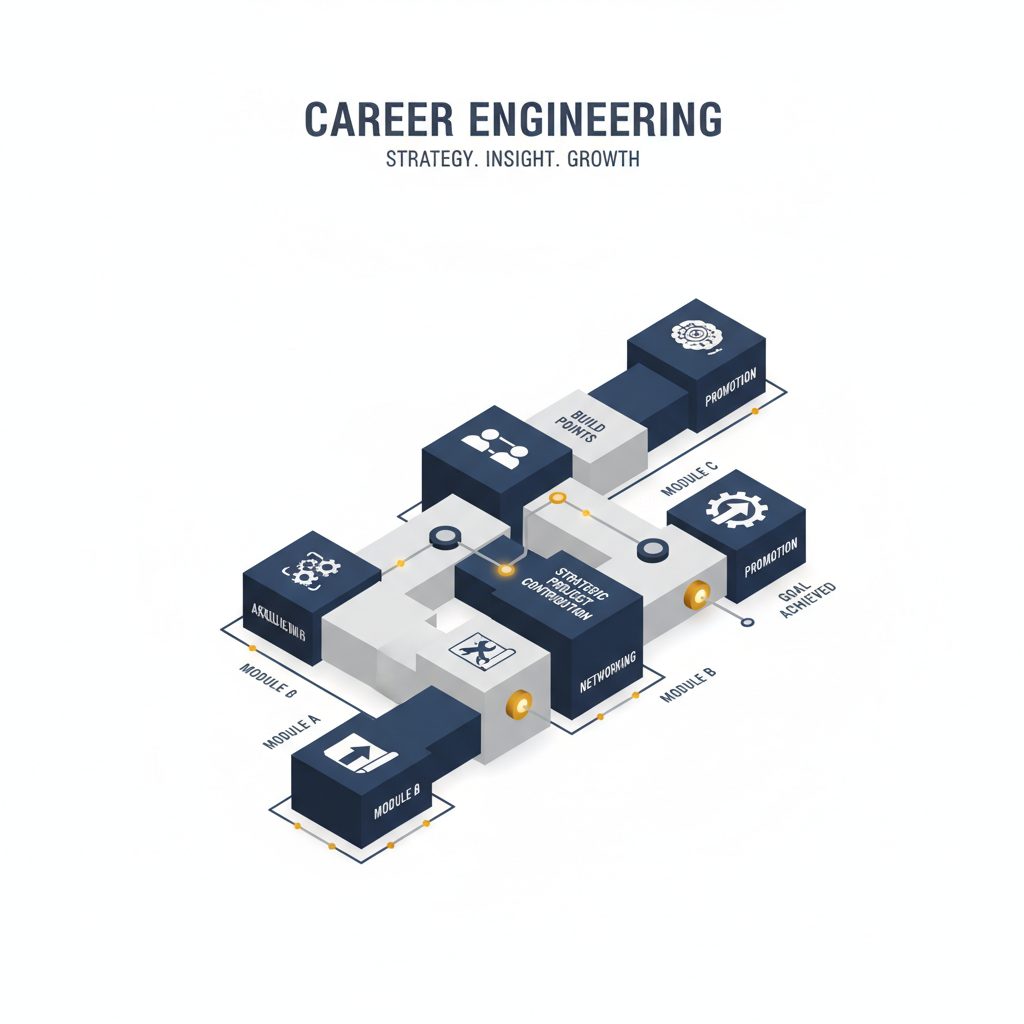
Strategy 1: Align Your Trajectory with AI-Driven Business Priorities
Artificial intelligence is reshaping the business world for 2025 and 2026. Smart executives know AI is not just for the IT department. It’s a core part of the business. Aligning with this shift is key to truly grow my career.
Top leaders consistently stress the power of AI. For example, many tech leaders say it’s vital to understand and use AI. This helps companies stay competitive [source: https://www.mckinsey.com/capabilities/quantumblack/our-insights/the-state-of-ai-in-2023-generative-ais-breakout-year]. Therefore, your career path must align with these new priorities.
To create opportunities in this new AI-focused world, take these steps:
- Acquire AI Fluency: Understand what AI can and cannot do. This goes beyond just the basics.
- Identify AI-Driven Efficiencies: Find where AI can improve your work or create new income.
- Lead AI Adoption Initiatives: Lead projects that use AI. Show clear results and a return on investment.
- Anticipate Future Skill Demands: See how AI will change jobs. Build the skills you and your team will need for the future.
Industry reports show that AI will change executive roles by 2025 [source: https://www.ibm.com/blogs/research/2023/11/ai-trends-2024/]. Therefore, it’s essential to build AI into your strategy now.
Strategy 2: Master Strategic Networking for C-Suite Visibility
Executive networking is more than just saying hello. It’s a planned effort to build influence and get seen by top leaders. Good networking helps you grow my career by opening doors to unique opportunities.
Global leaders often talk about the power of their networks. They use these connections for information, sponsorship, and key partnerships. You gain C-suite visibility by providing value and building trust over time.
To improve your networking and get noticed by executives, use these tactics:
- Define Your Network’s Purpose: Know what you want to achieve. Focus on specific people or companies for your next career move.
- Provide Reciprocal Value: Don’t just ask for help. Offer your own ideas, connections, or skills. Good relationships help both people.
- Seek Strategic Mentors and Sponsors: Find senior leaders who will support you. Sponsorship is key to moving up. In fact, sponsored professionals are more likely to receive promotions and higher compensation [source: https://hbr.org/2019/02/the-sponsor-effect-how-to-be-a-better-leader-by-investing-in-others].
- Engage Beyond Your Industry: Look outside your own field. Meeting leaders from other areas can give you new ideas and opportunities.
- Leverage Thought Leadership: Speak on panels, write articles, or lead talks. This positions you as an expert and naturally attracts important contacts.
Your network is a key asset. It helps you make decisions and move your career forward.
Strategy 3: Develop and Pitch Your ‘Next-Level’ Value Proposition
To grow your career, you need a clear, compelling ‘next-level’ value proposition. This is more than your current job title. It shows your future potential and leadership. This is how you can grow my career.
Successful leaders often define their value by the future problems they can solve. They show how they can drive innovation and create value. Your message should do the same.
To create and pitch this value, you need a clear plan:
- Identify Emerging Needs: Look at market trends and company challenges for 2025 and 2026. Where are the biggest gaps or opportunities?
- Map Your Unique Strengths: Match your key skills and experience to these needs. How can you be the one to solve them?
- Quantify Potential Impact: Show your value with numbers. Use metrics like “reduce costs by X%” or “increase market share by Y%.”
- Craft a Concise Narrative: Create a short, powerful story. It should explain your vision and your plan to achieve it.
- Practice Targeted Pitching: Adjust your message for different people, like board members or recruiters. Deliver it with confidence.
Your ‘next-level’ value proposition is not just a resume update. It is a statement about your future as a leader. It shows you are ready for bigger challenges. This clarity will be a powerful force in your career growth.
Frequently Asked Questions
What is the difference between ‘grow my career’ and ‘grow in my career’?
Knowing the difference between ‘growing in your career’ and ‘growing your career’ is key for your strategy in 2025. Many world leaders point out this difference when they talk about career growth.
Growing in your career usually means moving up within your company. It often involves:
- Getting promotions in your current department.
- Taking on more responsibility in your existing role.
- Climbing the traditional corporate ladder.
This path is about becoming an expert in one area. However, smart executives know this approach can be limiting in today’s fast-changing world.
On the other hand, growing your career is a broader approach. It’s about expanding your influence and making a bigger impact. Visionary CEOs support this view, which includes:
- Learning new skills: Gain skills in new areas, like AI or sustainable leadership.
- Growing your network: Build key relationships outside your industry.
- Becoming a thought leader: Share your expertise and become a go-to person in your field.
- Increasing your influence: Lead through impact, not just your job title.
- Building your legacy: Create a career story that is bigger than any one role.
In 2025, successful leaders actively shape their careers instead of just following a set path. This strategic approach helps them stay relevant and lead effectively.
What are some tangible career growth opportunities for executives?
Executives who want to grow their careers in 2025 have options beyond a simple promotion. Top leaders suggest a few key ways to make a real impact:
-
Lead major company-wide projects: Take charge of large projects that involve multiple departments. This shows you understand the whole business and can lead diverse teams. For example, leading a company’s move to AI shows your strategic skill.
-
Become an industry expert through thought leadership: Share your knowledge to become a recognized expert. You can do this by writing articles, speaking at conferences, or hosting webinars. Being a thought leader boosts your reputation and creates new opportunities [4].
-
Join a board or become an advisor: Serving on a corporate or advisory board greatly expands your network and influence. In these roles, you help guide other companies at the highest level. This is a top goal for many executives in 2025.
-
Lead ESG (Environmental, Social, Governance) efforts: ESG is now a key part of business strategy. Leaders in this area become very valuable. It’s a chance to improve the company’s performance and make a positive social impact, which is important for modern leaders [5].
-
Expand into new markets or technologies: Lead the charge into new global markets or start new projects within the company. For example, you could work on emerging tech like quantum computing or green energy. This gives you great experience and shows you can drive future growth.
To seize these opportunities, you need to be proactive. Think less about day-to-day management and more about your long-term, visionary impact.
How can AI tools like ‘Career Dreamer AI’ accelerate professional growth?
AI tools are now essential for any executive who wants to grow their career in 2025. ‘Career Dreamer AI’ is just an example, but it shows how powerful these tools can be. Tech leaders agree that AI offers unique insights and custom career plans.
Think of AI tools as a personal career coach that uses data. Here’s how they can help you get ahead:
-
Find your skill gaps: AI can compare your current skills to what’s needed for your dream job or new industry trends. It pinpoints exactly what you need to learn and suggests specific courses or projects. This gives you clear, practical advice, which 90% of business leaders see as a key benefit of AI [6].
-
Improve your networking: AI can find key people and companies that can help you reach your goals. It can even give you tips on how to connect with them. This makes your networking much more effective.
-
Predict market trends: AI analyzes huge amounts of data to predict what’s next in your industry. This helps you move into growing areas early and gain an edge for 2025-2026.
-
Build your personal brand: AI can review your online profile and public activities to see how others perceive you. It can then suggest topics to write or speak about to build your reputation as an expert.
-
Find the right opportunities: AI goes beyond simple keyword searches to find roles that are a perfect fit for your skills, style, and goals. This includes high-level board seats or new business ventures. It saves you time in finding your next big step.
Using these AI tools helps you make smarter choices. You can build the right skills and position yourself for major career growth in the changing world of 2025.
What Is Your Next Strategic Career Move for 2025?
As 2025 approaches, small career adjustments are not enough. You need to rethink your career path completely. Top global leaders are already planning for a very different business world. Their advice is clear: you must actively and strategically plan your career growth. Simply keeping up is no longer an option. Instead, you must design your next big move.
Our review of trends and expert advice reveals several clear truths. The world is changing fast. Things like AI, shifting global politics, and a focus on sustainability are reshaping industries. Because of this, your next move must align with these major trends. This will help you not just get ahead, but also build a lasting influence and legacy.
What Leaders See Coming in 2025
Top CEOs and successful entrepreneurs agree that you need to be agile and think ahead. They stress the need for constant learning and making strategic shifts. For example, many executives are pushing to use new technologies. This active approach helps future-proof their companies. It also sets a new standard for what makes a leader effective [7].
These leaders are also changing the meaning of “career growth.” It is more than just getting a promotion. Now, it is about expanding your influence, learning new skills, and driving major change. We see three key areas to focus on in 2025:
- Digital Leadership & AI Skills: You need to do more than understand AI; you must use it strategically. This means encouraging AI-powered innovation in your company.
- Global & Cultural Skills: Lead diverse teams and work well in different markets. Understanding the rules in various countries is essential.
- Innovation with Purpose: Connect your business goals with a positive impact on society. This builds a stronger brand and attracts great people. A clear purpose also helps keep employees engaged [8].
Planning Your Next Move: Key Steps for 2025-2026
Based on this advice, your 2025 career move must be planned with care. It requires a few different steps. Consider these key areas:
1. Improve Your AI and Tech Skills
Leaders who look ahead don’t just use technology; they build with it. They lead the way in using it smartly. Your job is not just to manage IT. You must now lead the change to digital. This means seeing how AI can give you an edge. You also need to manage its risks.
- Use AI Strategically: Find ways AI can transform your team or company. Lead test projects and encourage everyone to use it.
- Make Decisions with Data: Use modern data tools. Let data guide every big choice you make. This improves accuracy and reduces guesswork.
- Keep Learning: Make time to learn about new technology and methods. You might take courses designed for executives.
2. Grow Your Global Reach and Network
Today’s global economy needs leaders with a broad perspective. Your next career step should take you beyond your current location. It should also help you connect with a more diverse professional network.
- Get International Experience: Look for jobs or projects that are global. Take part in international industry events.
- Build a Diverse Mentor Group: Connect with leaders from other fields and cultures. Learn how they solve tough problems.
- Work Across Borders: Lead projects that involve different regions or teams. This provides valuable experience.
3. Lead with Purpose and Make an Impact
People now expect leaders to contribute to society. Your career move should show you understand this. It should demonstrate a commitment to responsible growth and ethical ideas.
- Support ESG Goals: Make Environmental, Social, and Governance (ESG) ideas part of your main business plan. Lead by example.
- Push for Sustainable Ideas: Create products or services that solve big world problems. This will make your company stand out.
- Mentor New Leaders: Help grow the talent in your company. This prepares others to take over and builds a positive legacy.
Creating Your 2025-2026 Career Plan
Planning your 2025 career move isn’t a single decision. It is a series of connected actions. It requires a clear purpose. Start with an honest look at your own skills. Compare them to the future-focused areas we’ve discussed. Then, find the gaps you need to fill.
Create a personal plan. This plan should list specific things you want to learn. It should also set goals for networking and gaining new experience. Connect with mentors who have the leadership skills you admire. Remember, it is better to act than to simply watch.
The time to plan your future is now. By following the advice from these global leaders, you can confidently handle the challenges of 2025. You will not only grow your career but also help shape the future of your industry. What is one real step you will take this week to begin your strategic evolution?
Sources
- https://www.forbes.com/sites/forbescoachescouncil/2021/04/13/indra-nooyis-leadership-wisdom-a-call-to-action-for-every-leader/?sh=4578b6631b01
- https://www.forbes.com/sites/gabrielaltman/2019/12/12/gary-vaynerchuk-quotes-that-will-change-your-life/?sh=29381c8153c3
- https://news.microsoft.com/features/leading-with-empathy-and-innovation-microsoft-ceo-satya-nadella/
- https://www.edelman.com/research/b2b-thought-leadership-impact-study
- https://www.mckinsey.com/capabilities/strategy-and-corporate-finance/our-insights/five-ways-that-esg-creates-value
- https://news.microsoft.com/ai/
- https://www.mckinsey.com/capabilities/strategy-and-corporate-finance/our-insights/the-strategy-that-will-win-in-2025
- https://hbr.org/2022/02/the-business-case-for-purpose