
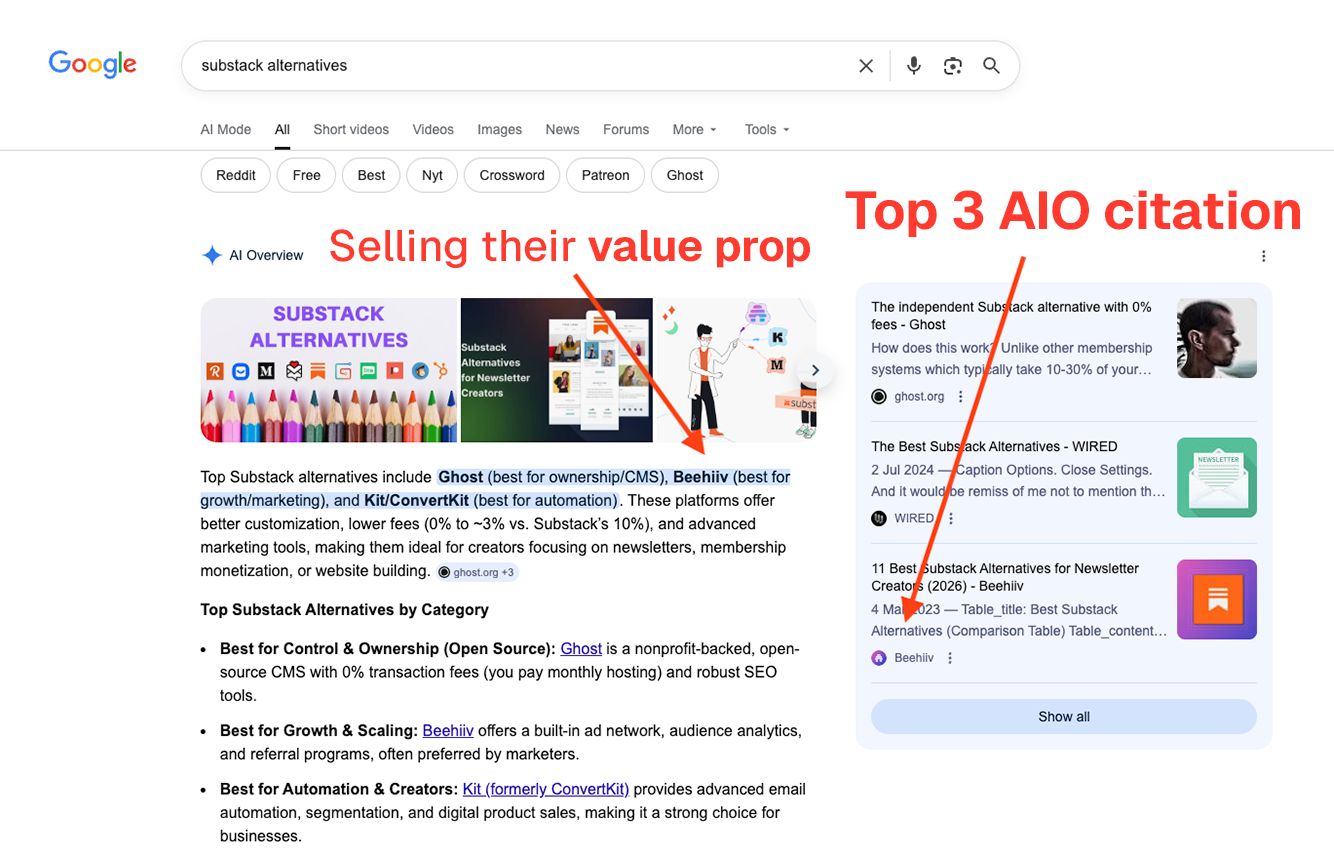
In a recent LinkedIn post, Rob Hoffman discusses a potent strategy for enhancing SEO performance by focusing on optimizing a website’s most valuable pages, often referred to as “money pages.” Hoffman, who works with a “unicorn client” in the SaaS space, highlights how strategic adjustments to these key pages can significantly outperform competitors and even achieve visibility in AI Overviews.
The Power of ‘Money Pages’
Hoffman emphasizes that the most impactful SEO gains often come from refining existing high-value content rather than solely creating new pages. He points out a common misconception where businesses focus on generating a high volume of content, potentially with AI assistance, while neglecting the optimization of their top-performing pages.
“It’s easier than ever to crank out new pages with AI. But 80% of a site’s SEO wins come from 20% or less of their pages.”
This perspective suggests a shift in focus from quantity to quality and strategic depth, particularly for pages designed to drive revenue or conversions. According to Hoffman, these “money pages,” such as those targeting queries like “[Competitor] alternatives,” are critical battlegrounds for market share.
Key Optimization Strategies
Hoffman details three specific, high-impact optimizations that his team implemented for their client, leading to significant ranking improvements:
1. Eliminating Outbound Links to Competitors
A crucial insight from Hoffman is the detrimental effect of linking directly to competitors from high-value pages. While this might be acceptable for new sites building authority, established players risk sending valuable traffic and potential leads away from their own ecosystem.
“Every link you send to a competitor is traffic you’re giving away. We replaced those links with our client’s own competitor comparison page instead.”
By replacing these outbound links with internal links to a competitor comparison page, the client retained traffic and guided users toward their own comparative content, a much more strategic approach for an established brand.
2. Integrating FAQ Content
Hoffman highlights the importance of addressing user intent directly by incorporating relevant Frequently Asked Questions (FAQ) into money pages. Users searching for terms like “Substack alternatives” often have specific questions they are seeking answers to.
As Hoffman notes, “People searching ‘Substack alternatives’ have specific questions. We found them and answered them on the page. Simple, but most teams skip this step.” This practice not only satisfies user queries but also provides search engines with clear, structured information, enhancing the page’s relevance and authority.
3. Updating Pricing Information
Ensuring accuracy in critical details, such as pricing, is another fundamental optimization that Hoffman stresses. Outdated pricing can significantly misalign with search intent and erode user trust.
“Pricing queries were a big part of the search intent. The page had outdated info. We fixed it.”
According to Hoffman, addressing these specific search intents with accurate and up-to-date information is a direct way to improve user experience and search engine rankings for commercial queries.
Strategic Focus Over Volume
In conclusion, Rob Hoffman argues for a highly strategic approach to SEO, prioritizing the meticulous enhancement of a site’s most critical pages over the sheer volume of new content. He advises businesses to focus their efforts on making their top-tier pages “100x more valuable than their competitors,” suggesting that this focused strategy can yield superior results compared to simply trying to match competitors’ output, especially with the rise of AI content generation.
📝 About This Content
This article is based on insights shared by Rob Hoffman on LinkedIn.
📅 Originally posted on April 30, 2026 | View original post on LinkedIn →