
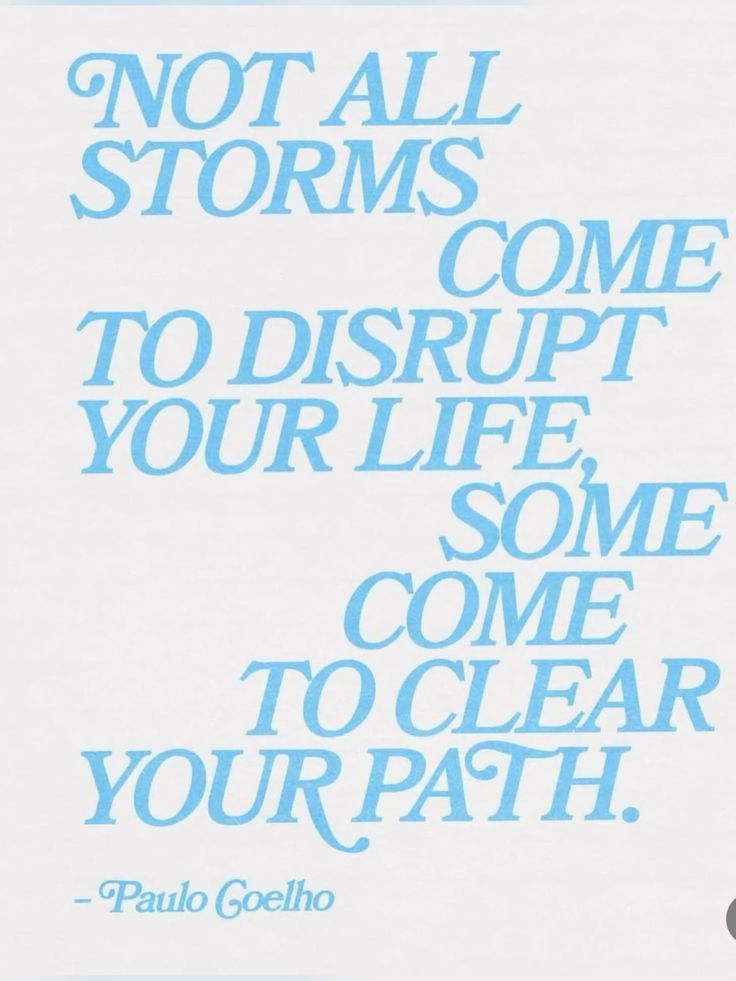
In a recent LinkedIn post, Lindsay Linhart offers a powerful reframing of life’s challenges, urging readers to view disruptive events not as endings, but as necessary steps for growth and redirection. Linhart challenges the common human tendency to fear chaos, whether it manifests as a job loss, a relationship ending, or a meticulously crafted plan falling apart. Instead, the author suggests that what appears as destruction can often be a form of demolition, clearing the way for future possibilities.
Linhart’s central thesis is that these difficult seasons are not punishments, but rather crucial periods of preparation. The post emphasizes a shift in perspective, moving away from the question, “Why is this happening to me?” towards a more constructive inquiry: “What is this making room for?” This fundamental change in questioning, according to Linhart, can alter one’s entire experience of adversity.
The Destructive Nature of Demolition
The post elaborates on the idea that storms are not meant to ruin individuals but to ‘rearrange’ them. Linhart provides several examples of how perceived loss can actually be a release from limiting circumstances:
“The role that was too small finally releasing you”
As Linhart points out, this “rearrangement” can manifest in various forms. The end of a draining relationship, the closing of a path that was not meant to be, or shedding an outdated version of oneself are all presented as potential outcomes of these challenging periods. The author argues that the people most admired are not those who avoid storms, but those who develop the ability to interpret them differently.
Preparation Through Hardship
Linhart asserts that embracing this new perspective allows individuals to stop fighting against the forces of change and instead understand their direction. “Because when you stop fighting the wind, you can finally see where it’s pointing,” the post states, highlighting the potential for clarity that emerges when resistance ceases.
From Breakdown to Breakthrough
The article further illustrates this point with relatable examples of how setbacks can lead to greater achievements. Linhart writes:
“The job you lost? It led to the career you built. The door that closed? It opened a better one. The breakdown? It became the breakthrough.”
This perspective suggests that feeling “behind” due to life’s disruptions is a misinterpretation. Instead, Linhart argues, individuals are being actively redirected toward something better. The key, according to the author, is to “trust the clearing, especially when it’s uncomfortable.” This act of trusting the process, even amidst discomfort, is presented as essential for navigating life’s transitions.
The Storm as an Edit, Not an End
Ultimately, Linhart frames the challenging periods not as the conclusion of a life story, but as a critical “edit.” This metaphor implies that while the narrative may change and parts may be removed or altered, the story itself continues, often in a more refined or suitable direction. The post concludes with an invitation for readers who have experienced such transformative storms to share their stories, reinforcing the idea that survival and growth are common threads in the human experience.
“The storm isn’t the end of your story. It’s the edit.”
Lindsay Linhart’s insights encourage a proactive and optimistic approach to adversity, positioning difficult times as integral components of personal and professional development.
📝 About This Content
This article is based on insights shared by Lindsay Linhart on LinkedIn.
📅 Originally posted on April 8, 2026 | View original post on LinkedIn →