
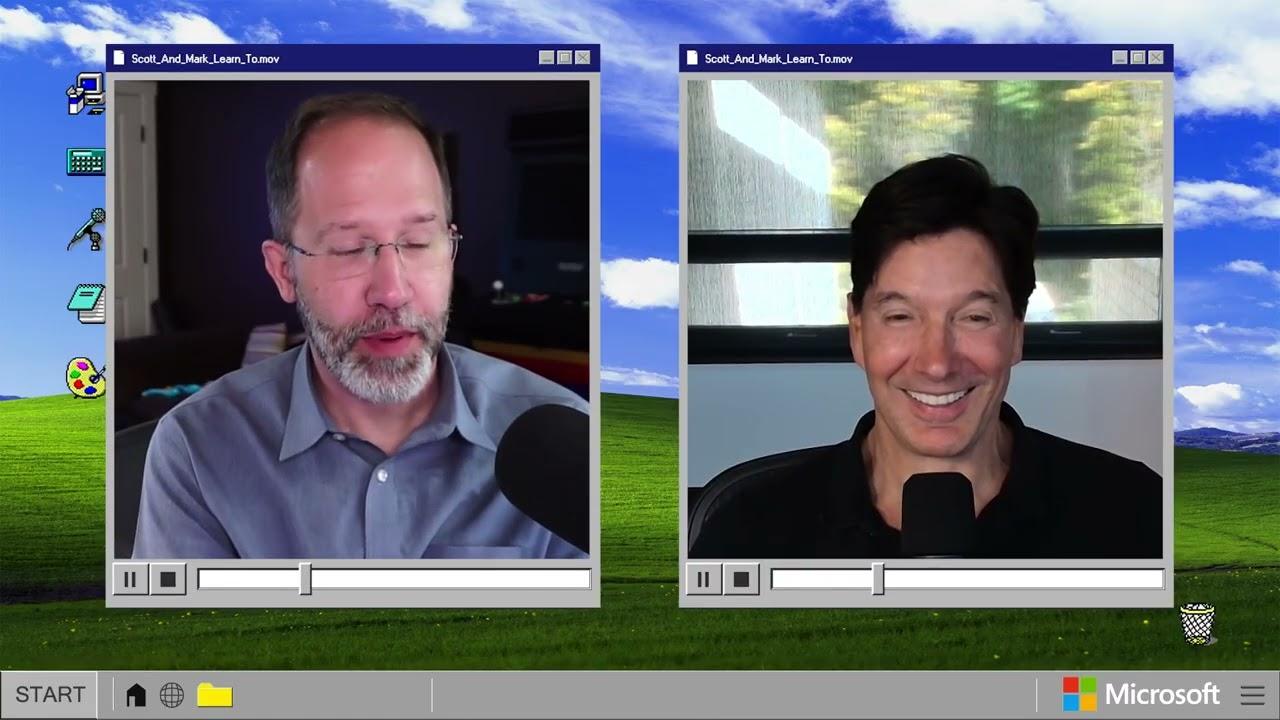
In a recent LinkedIn post, Mark Russinovich dives into a critical question facing the tech industry: whether Artificial Intelligence is truly enhancing the quality of software being built, or simply leading to a greater volume of it. Fresh from Microsoft Build, Russinovich, alongside Scott, explored this debate on their podcast, “Scott and Mark Learn To.” The discussion, as highlighted by Russinovich, centers on the fundamental nature of software development.
Russinovich emphasizes that the core of building software extends beyond mere code generation. He posits that effective software engineering hinges on meticulous specifications, rigorous testing, and thorough evaluation. In his post, Russinovich shared:
“Fresh off Microsoft Build, we get into why coding is really about clear specifications, testing, and evaluation, not just generating code.”
This perspective challenges the notion that AI-powered tools, which can rapidly produce code, inherently lead to better outcomes. Russinovich draws an analogy to illustrate this point, comparing AI-generated software to mass-produced items versus bespoke creations.
The IKEA vs. Custom Craftsmanship Analogy
Russinovich uses a compelling analogy to differentiate between software developed with traditional engineering principles and that which might be rapidly generated by AI. He compares AI-written software to the flat-pack furniture often associated with IKEA, suggesting it might be functional but potentially lacking in the deeper quality and customization of handcrafted items.
According to Russinovich, this distinction is crucial when considering the future of software development and the role of engineers. He questions the long-term implications for junior engineers who might rely heavily on AI for coding tasks.
“We compare AI-written software to IKEA furniture vs. custom craftsmanship, question the future of junior engineers, and wrestle with what quality and responsibility actually mean when anyone can ship software with a prompt.”
This comparison highlights a potential divergence in the development lifecycle and the underlying principles guiding software creation. While AI can accelerate the process, Russinovich seems to question whether it fosters the same level of deliberate design and engineering rigor.
Defining Quality and Responsibility in the Age of AI
A significant portion of Russinovich’s discussion, as shared on LinkedIn, grapples with the evolving definitions of quality and responsibility in software development. With AI tools lowering the barrier to entry for code creation, the potential for rapid, widespread deployment of software increases dramatically.
Russinovich raises pertinent questions about accountability when the development process is significantly augmented or even driven by AI prompts. He points out the challenge of maintaining high standards and ensuring robust, reliable software when the traditional pathways of development are potentially being redefined.
The Future of Software Engineering
In Russinovich’s view, the conversation is vital for anyone involved in building software professionally. The insights shared suggest a need for a deeper examination of how AI tools should be integrated into the development workflow, ensuring they augment rather than compromise the essential elements of good engineering practice.
The podcast episode, as promoted by Russinovich, aims to provoke thought on these complex issues, urging professionals to consider the long-term impact of AI on the discipline of software engineering. He concludes his post with a direct invitation to those in the field:
“If you build software for a living, this one will make you think.”
Russinovich’s post serves as a valuable contribution to the ongoing dialogue about AI’s role in technology, encouraging a mindful approach to its implementation in software development.
📝 About This Content
This article is based on insights shared by Mark Russinovich on LinkedIn.
📅 Originally posted on June 17, 2026 | View original post on LinkedIn →