
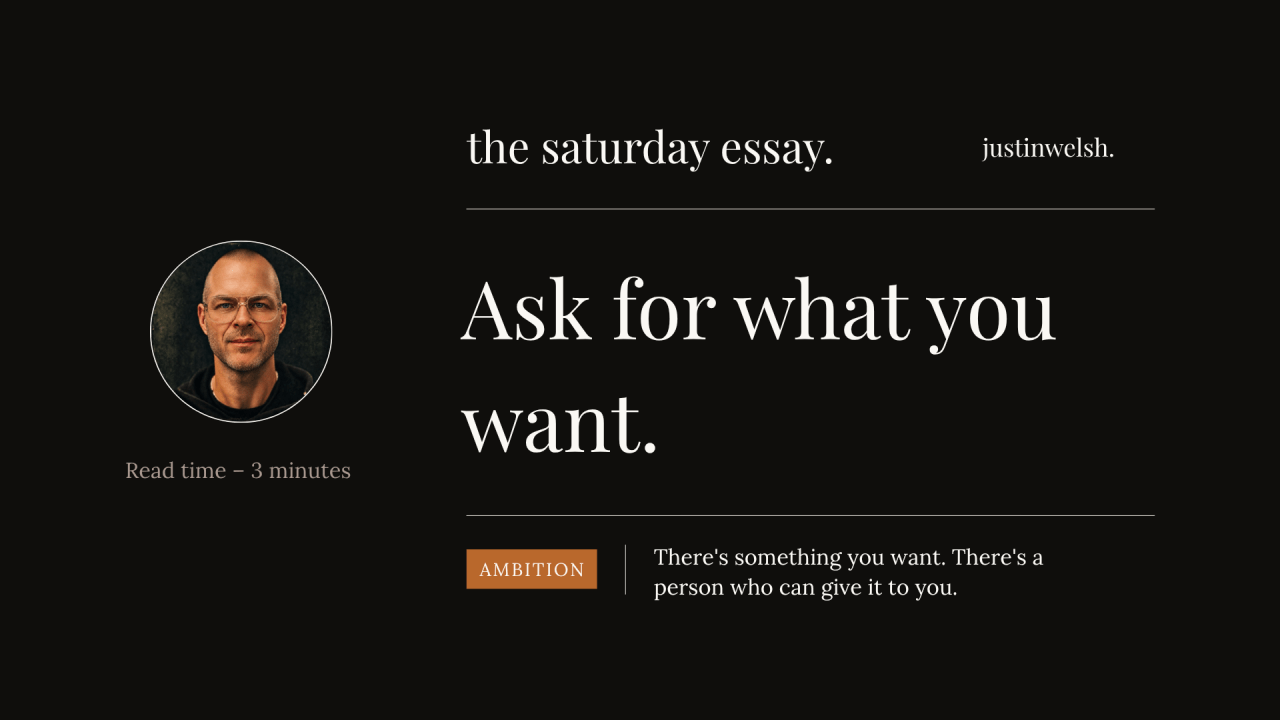
In a recent LinkedIn post, Justin Welsh discusses the significant challenges posed by the proliferation of AI-generated content and automated outreach, arguing that the “easy button” of these tools is ultimately counterproductive for professionals seeking to stand out.
Welsh highlights how the democratization of content creation and job application tools through AI has led to an oversaturation of generic, low-quality output. He points out that this accessibility has diminished the value of sheer volume.
“AI has made effort really cheap.”
According to Welsh, this has created a significant problem for individuals and businesses trying to capture attention. “Anyone can produce content at scale. Anyone can send auto-job applications. Anyone can flood your inbox with junk,” he writes, emphasizing that this widespread access to powerful tools has rendered traditional volume-based strategies ineffective.
The Rise of Noise Over Signal
The core of Welsh’s argument centers on the idea that when everyone has access to the same AI capabilities, “volume is no longer an advantage. It’s just noise.” This sentiment underscores a shift in the professional landscape where generic, automated communications are easily ignored.
The Power of Specificity and Effort
Conversely, Welsh observes that those who are currently achieving success are doing so by adopting an opposite approach. He champions a strategy of hyper-personalization and deliberate effort, suggesting that the most effective methods involve highly specific actions targeted at particular individuals.
“The people breaking through right now are doing the opposite. One specific thing, aimed at one specific person, executed at a level that no automation can produce.”
Welsh elaborates on this by sharing an anecdote about a woman who successfully secured a job that didn’t even exist when she began her efforts. This individual, he notes, faced the same odds as many others but deliberately eschewed the automated solutions available to her.
“Twelve days later, she had a job that didn’t exist when she started.”
This story serves as a powerful illustration of Welsh’s central thesis: that genuine, personalized effort, even if it requires more time and resources, yields far greater results than mass automation. He concludes by prompting readers to reflect on their own strategies, suggesting they ask themselves a critical question before continuing to rely on ineffective automated processes.
Key Takeaways from Welsh’s Analysis
Justin Welsh’s insights on LinkedIn provide a timely reminder for professionals across all industries. His analysis suggests that in an era of ubiquitous AI tools, the true differentiator is not the ability to generate content or send messages at scale, but the capacity to execute highly personalized, high-effort actions.
- AI’s Double-Edged Sword: While AI offers efficiency, its widespread accessibility has devalued generic output and automation.
- The Advantage of Specificity: Targeted, personalized efforts are more effective than broad, automated campaigns.
- Effort as a Differentiator: Deliberate, human-driven actions that cannot be easily replicated by automation are key to breaking through the noise.
- Rethinking Strategy: Professionals should critically evaluate their reliance on automated tools and consider investing in personalized outreach.
Welsh’s post serves as a call to action for individuals to move beyond the “easy button” of AI and embrace the more challenging, yet ultimately more rewarding, path of genuine human connection and tailored effort.
📝 About This Content
This article is based on insights shared by Justin Welsh on LinkedIn.
📅 Originally posted on August 1, 2026 | View original post on LinkedIn →