
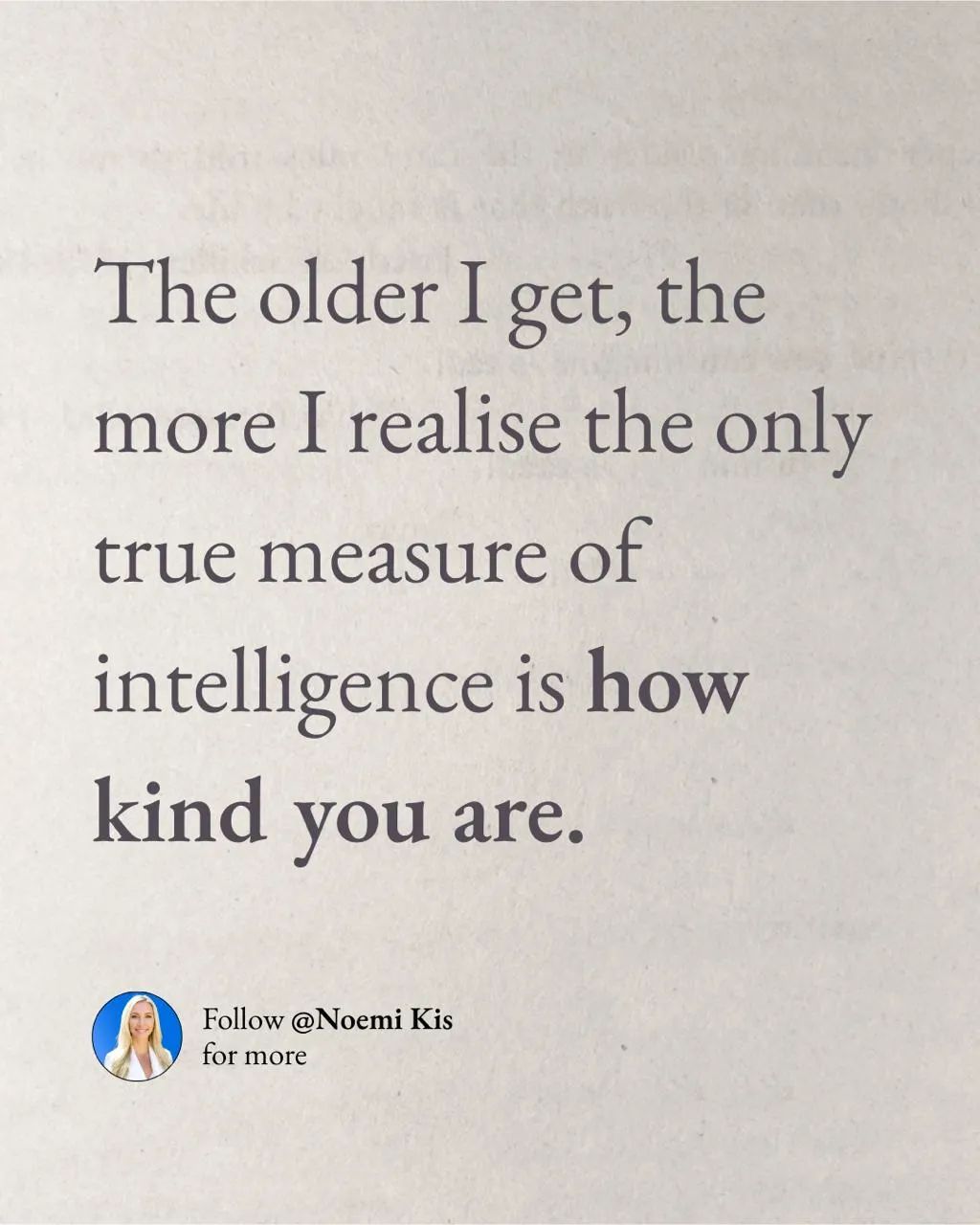
In a recent LinkedIn post, Noemi Kis✨ challenges conventional notions of intelligence, arguing that empathy and kindness are far more critical metrics of success and impact than raw intellect alone. The post, which has resonated widely, suggests that true intelligence is demonstrated not by what one knows, but by how one uses that knowledge and, crucially, how one makes others feel.
The Limits of Pure Intellect
Noemi Kis✨ begins by recounting a past belief that being the smartest person in the room was paramount. However, experience has led to a profound shift in perspective. The post highlights that degrees, credentials, and having all the right answers are insufficient if not coupled with a considerate approach to others.
“Intelligence without kindness is just weaponized insecurity.”
This opening statement sets a clear tone for the article, emphasizing that intellect devoid of empathy can be detrimental. Noemi Kis✨ contrasts individuals who use their knowledge to elevate themselves at the expense of others with those who foster growth and understanding.
Defining True Intelligence
The core of Noemi Kis✨’s message lies in redefining what constitutes genuine intelligence. It’s not about superiority, but about contribution and connection. The post outlines three key areas where true intelligence is revealed:
1. Handling Those with Less Knowledge
Noemi Kis✨ poses critical questions about how individuals interact with those who possess less information or experience. The distinction is drawn between condescending and explaining, showing off versus teaching, and making others feel stupid versus helping them understand.
2. The Application of Knowledge
A significant portion of the analysis focuses on how knowledge is wielded. Is it used to build others up or tear them down? Does it create opportunities or gatekeep them? Noemi Kis✨ suggests that constructive application is the hallmark of true intelligence.
“Being right doesn’t matter if you’re cruel about it. Being smart doesn’t matter if you make others feel dumb.”
This sentiment underscores the idea that the *delivery* and *purpose* behind one’s intelligence are as important, if not more so, than the intelligence itself. According to Noemi Kis✨, people remember and trust those who use their capabilities to foster positive environments.
3. Responding to Errors
The ability to admit and learn from mistakes is presented as another crucial indicator of intelligent character. Noemi Kis✨ contrasts defensiveness and deflection with learning and apology, framing the latter as traits of genuine wisdom.
Kindness as the Ultimate Differentiator
The post powerfully concludes that while being smart is relatively easy, being kind *while* being smart is rare and memorable. Noemi Kis✨ encourages readers to shift their focus from accumulating knowledge to generously sharing it.
“So stop measuring your intelligence by how much you know. Start measuring it by how generously you share it.”
This call to action reframes the pursuit of knowledge, emphasizing impact over accumulation. As Noemi Kis✨ puts it, the ultimate measure is not how smart one was, but how one made others feel. The final takeaway is that lasting trust and impact are built on a foundation of empathy and kindness, not just intellectual prowess.
“Because at the end of the day, nobody cares how smart you were. They care how you made them feel.”
Noemi Kis✨’s insights offer a valuable perspective for professionals seeking to build meaningful relationships and lasting success in their careers.
📝 About This Content
This article is based on insights shared by Noemi Kis✨ on LinkedIn.
📅 Originally posted on December 12, 2025 | View original post on LinkedIn →