
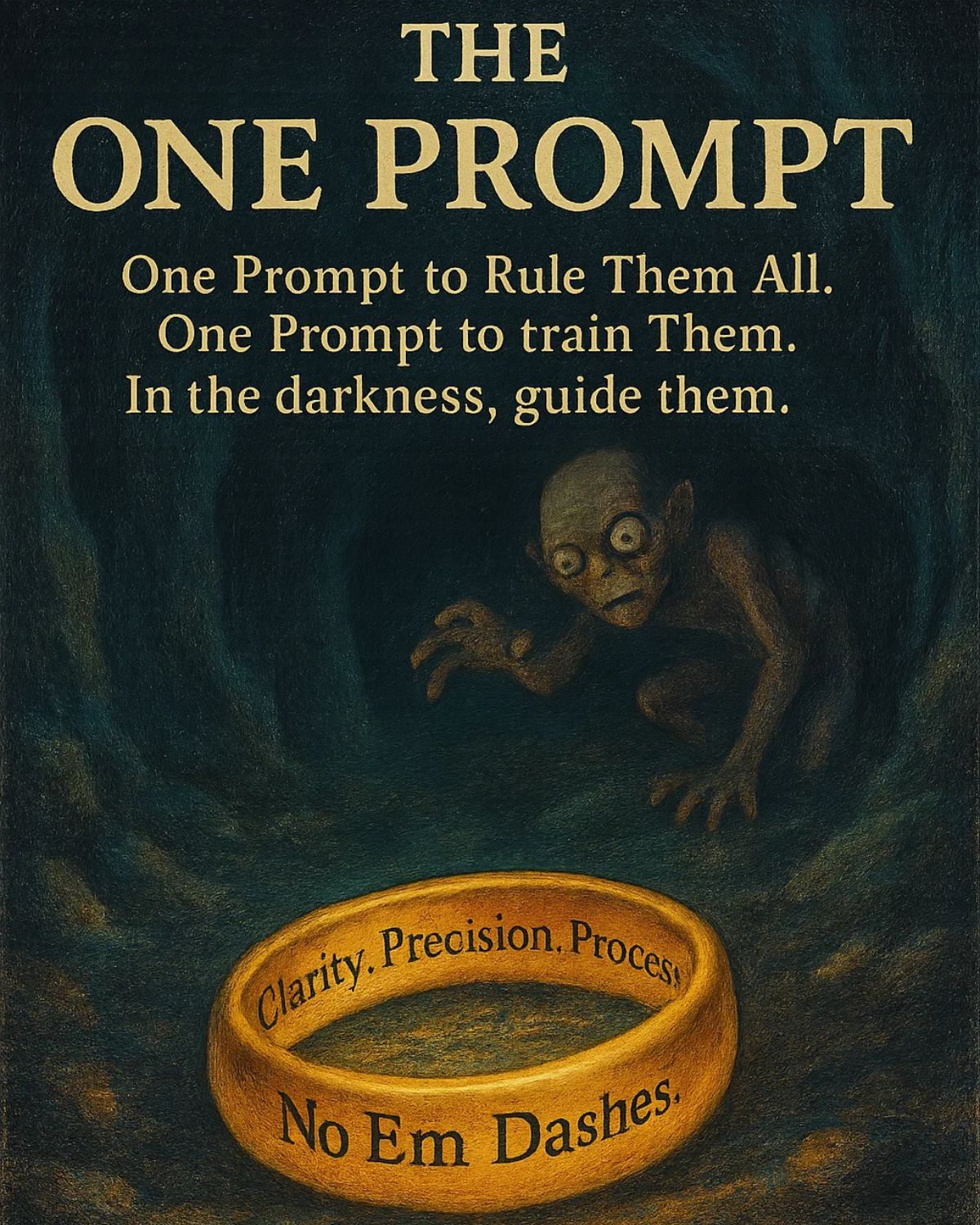
In a recent LinkedIn post, Kobi Omenaka shares a novel approach to refining AI prompts, aiming to overcome the common struggle of finding the right words for complex tasks. Omenaka introduces a ‘Mega Prompt Creator’ designed to systematically elicit necessary details from the user, thereby generating more effective prompts for AI models like Claude.
Omenaka highlights the frustration many users experience when interacting with AI: “Ever struggle to find the right words for a prompt?” The proposed solution, as detailed in the post, involves an iterative process where the AI, acting as a ‘Prompt Creator,’ asks clarifying questions to build a superior prompt. This method aims to move beyond guesswork and “getting crappy help from Claude,” as Omenaka puts it.
The ‘Mega Prompt Creator’ Process
The core of Omenaka’s strategy lies in a structured dialogue between the user and the AI. The ‘Mega Prompt Creator’ is designed to guide the user through several stages to ensure all necessary information is captured. As Omenaka explains, the process begins with the AI asking the user what the prompt should be about.
Following the initial input, the AI generates a revised prompt, offers suggestions for improvement, and asks targeted questions to fill any information gaps. This iterative loop is key to the system’s effectiveness. Omenaka states:
“You go back and forth a few times. Each round, the prompt gets sharper. By the end, you’ve got something ready to use.”
This approach ensures that the final prompt is precise and tailored to the user’s specific needs, leading to better output from the AI.
Detailed Prompt Engineering Instructions
Omenaka provides the exact instructions for users to implement this ‘Mega Prompt Creator’ within Claude. The instructions are presented as a direct copy-paste command for the AI model.
Key Steps for Prompt Creation
The outlined process involves several key directives for Claude:
- The AI’s first response must be to ask the user about the prompt’s subject matter.
- Subsequent responses from the AI should include three distinct sections: a ‘Revised prompt,’ ‘Suggestions’ for enhancement, and ‘Questions’ to gather more information.
- This iterative cycle continues until the prompt is finalized, with the user providing additional details and the AI refining the prompt accordingly.
A crucial element of Omenaka’s instruction is the requirement for the AI to use British English, adding a specific stylistic constraint to the interaction. Omenaka encourages users to “Please do copy and paste and share with others,” emphasizing the utility and shareability of this prompt engineering technique.
The Importance of Iterative Prompting
Omenaka’s strategy underscores the significance of iterative refinement in prompt engineering. Instead of expecting a perfect prompt on the first try, the ‘Mega Prompt Creator’ facilitates a collaborative process between human and AI. According to Omenaka, this method ensures that the AI receives the clearest possible instructions, thereby maximizing the quality of its response.
The post also subtly points towards the limitations of current AI interactions when users are not equipped with effective prompt creation strategies. By offering a concrete tool and process, Omenaka aims to empower users to harness AI capabilities more effectively. As Kobi Omenaka notes, the goal is to move from “guessing and fumbling” to a structured and reliable method for prompt generation.
For those seeking further insights into optimizing their use of AI tools like Claude, Omenaka directs readers to their Substack newsletter for additional tips and assistance.
📝 About This Content
This article is based on insights shared by Kobi Omenaka on LinkedIn.
📅 Originally posted on September 12, 2026 | View original post on LinkedIn →