
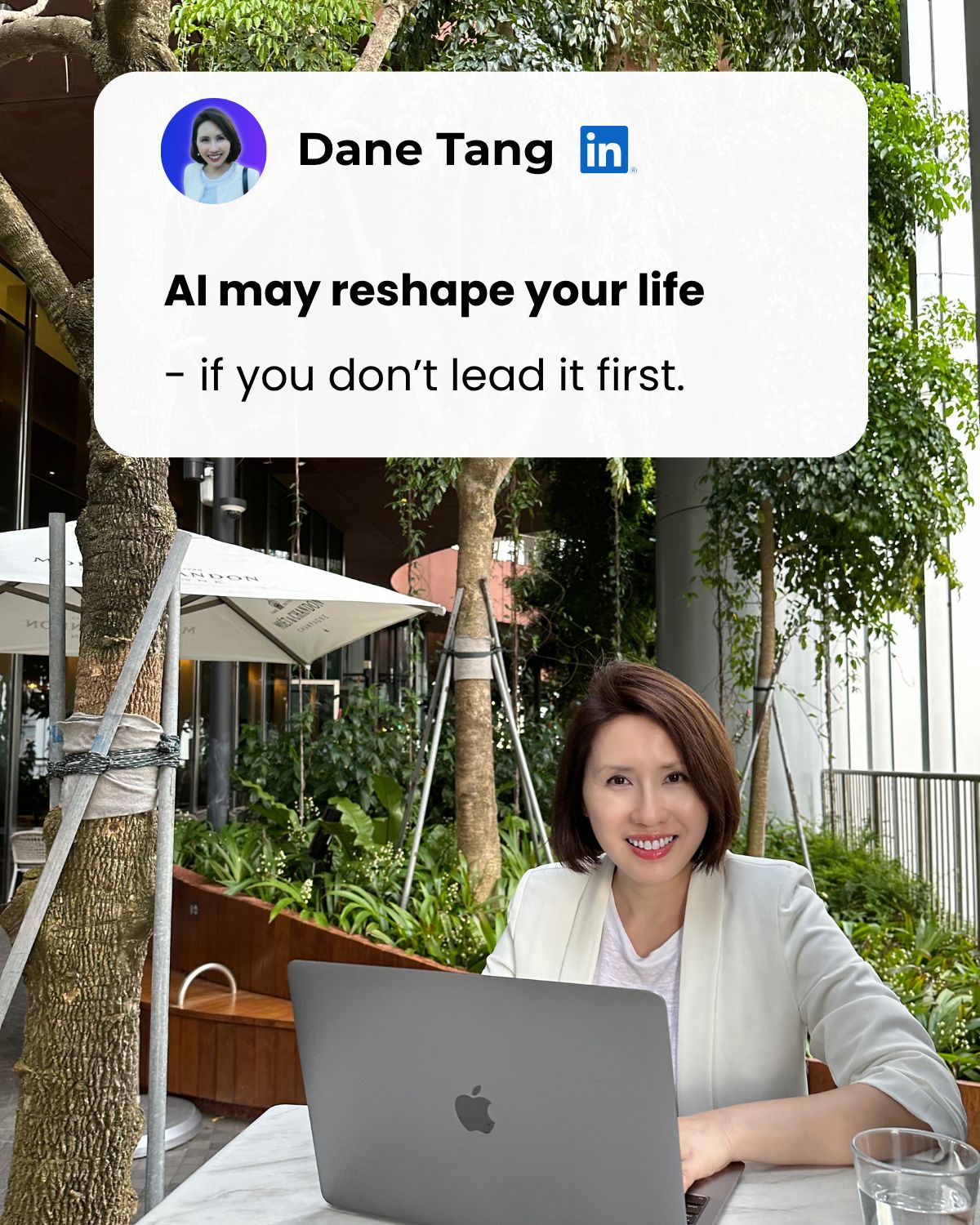
The rapid advancement of artificial intelligence, exemplified by OpenAI’s recent launch of AgentKit, is fundamentally altering the professional landscape. AgentKit, a toolkit designed to simplify the creation of custom AI agents, underscores a critical shift: AI is evolving from a mere tool into a collaborative partner. This transformation presents both unprecedented opportunities and significant challenges for businesses and individuals alike.
The true concern surrounding AI’s impact isn’t its potential to displace jobs or reshape industries, but rather our collective approach to leading this change. As AI agents begin to manage our schedules, influence our decisions, and even draft communications, the question shifts from ‘Will AI replace me?’ to a more proactive and empowering one: ‘How do I design AI to work for me, and not against me?’
The New Paradigm: From User to Designer
This evolving relationship with AI moves beyond traditional coding or technical expertise. It requires a new form of leadership – the leadership of intention and design. When AI starts performing tasks like managing your calendar, offering decision support, or composing messages, you transition from being a passive user to an active designer. Your values, ethical boundaries, and clarity of purpose become the guiding principles that shape how AI integrates into your professional and personal life.
Five Strategies for Intentional AI Leadership
To navigate this transformative period effectively, professionals must adopt a proactive stance. Instead of merely adapting to AI, we must lead its integration. Here are five key strategies to consider:
- Audit Your Tasks: Begin by critically evaluating your current workload. Identify which tasks genuinely require human intuition, creativity, and emotional intelligence, and which can be effectively delegated to AI agents. This assessment is the first step in consciously designing your AI-assisted workflow.
- Set Design Boundaries: Clearly define the scope of AI assistance. Determine where AI should augment your capabilities and where human oversight and control are non-negotiable. Establishing these boundaries ensures AI remains a supportive tool rather than an autonomous decision-maker.
- Clarify Your Values: AI systems operate based on the data and parameters they are given. They lack inherent ethical understanding. It is crucial to imbue AI agents with your organization’s or your personal ethical framework. This involves explicitly teaching AI your values and principles.
- Experiment Safely: Embrace a culture of safe experimentation. Start with low-risk applications, such as automating task summaries, managing scheduling, or implementing gentle nudges for follow-ups. Gradually scale up as confidence and understanding grow.
- Have Real Conversations: Foster open dialogue within your team, with mentors, and among peers about the integration of AI. Leading this shift requires collective intelligence and shared understanding. Proactive discussions are essential to ensure you are driving the change, not being overtaken by it.
The Risk of Inaction
The most significant risk in this AI-driven era is allowing external forces or passive acceptance to dictate how AI is implemented in our work and lives. If we fail to lead intentionally, we risk having AI systems designed by others make critical decisions that may not align with our goals, values, or best interests.
AI will not directly replace individuals. However, a lack of intentional leadership in its adoption could lead to AI making decisions and shaping outcomes that we never intended. The future of work is being co-authored with AI, and it is our responsibility to be the lead authors.
This article was inspired by insights from Dane Tang’s LinkedIn post.
📝 About This Content
This article is based on insights shared by Dane Tang on LinkedIn.
📅 Originally posted on October 12, 2025 | View original post on LinkedIn →